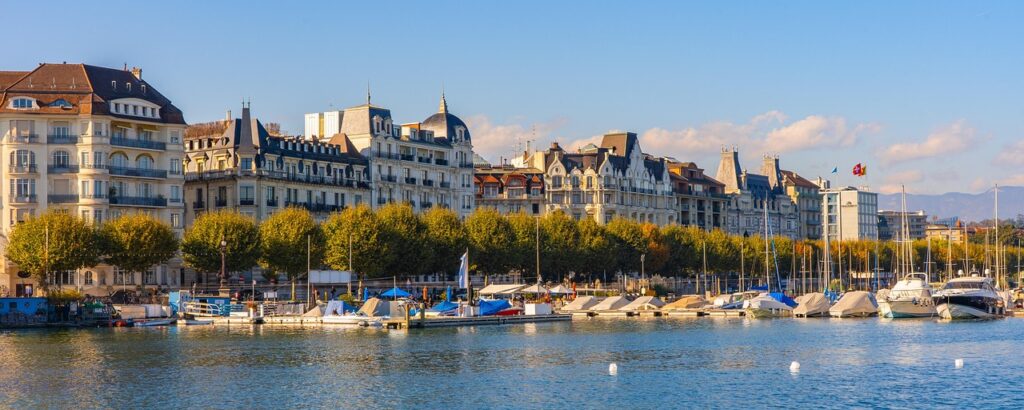






Introduction — Monthly Pass vs Single Ticket in Geneva
If you live, work in, or are visiting Geneva, getting to grips with the local public transport system is key to saving time and money. Geneva boasts a dense, multimodal network: trams, buses, trolleybuses, regional trains like the Léman Express, shuttle boats and shared services. The two main ways to pay are season passes (monthly, annual, youth cards, Unireso subscriptions) and single tickets (single-ride tickets, day passes, hourly tickets). This practical, no-nonsense guide explains how each option works, gives approximate costs in euros, where to buy tickets, and recommends the best choices depending on your user profile.
The complexity comes from Geneva being part of an integrated fare network called Unireso. Unireso coordinates fare zones and enables smooth transfers between the Transports Publics Genevois (TPG), SNCF across the French border, the Swiss Federal Railways (CFF) and the Léman Express. Knowing which zones affect you and how often you travel is the deciding factor between a pass and single tickets. For regular residents, a monthly or annual pass is usually more economical; for visitors or occasional users, single tickets or a day pass are often enough.
In this guide we cover: where to buy tickets (ticket offices and machines), approximate prices shown in euros (official fares are in Swiss francs and may fluctuate), typical timetables for main lines, immersive descriptions of sales points and interchange hubs like Gare Cornavin or the Mont-Blanc quays, plus local tips to avoid common mistakes (inspections, validation, international transfers). Practical details include exact addresses and typical opening hours so you can plan journeys without surprises.
Whether you’re newly arrived, a cross-border commuter or a curious tourist, this guide will help you quickly compare cost, flexibility and comfort across options. We also look at complementary services such as the Mouettes Genevoises (city ferries), the Léman Express for cross-border links, and must-have mobile apps for buying and validating tickets. The goal: help you pick the best solution for your needs, taking price, time and travel experience into account.
1) Understanding the Unireso network and fare zones (practical guide)
Unireso is the fare network that brings together various transport operators around Lake Geneva: Transports Publics Genevois (TPG), CFF for Swiss trains, Léman Express for cross-border regional services, and certain bus and boat operators. The territory is split into zones; zone 10 corresponds to Geneva city center. Knowing which zone or zones you regularly cross is essential to choosing the right pass. For example, a monthly pass for zone 10 will cover most intra-city journeys in Geneva, while a commuter working in France (Annemasse, Saint-Julien-en-Genevois) will need a pass covering multiple zones including cross-border areas.
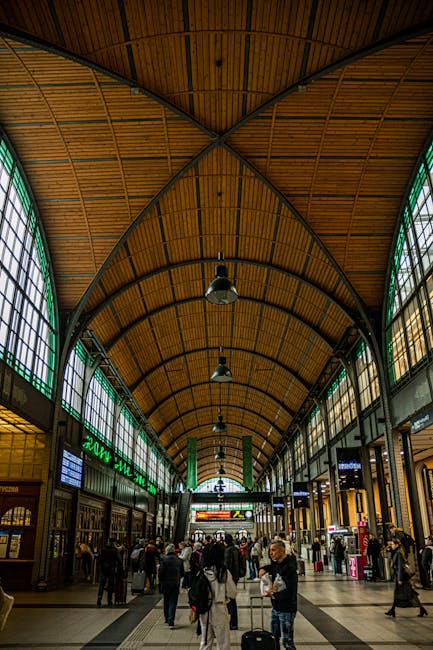
To buy a Unireso ticket, visit CFF or TPG ticket offices or use ticket machines in stations. A central sales and information point is Gare Cornavin — Place de Cornavin, 1201 Genève — where you’ll find CFF counters and TPG terminals. Opening hours: CFF ticket offices typically open Monday–Friday 06:00–19:00, Saturday until 17:00, and reduced hours on Sunday; ticket machines are available 24/7. Note that official fares are in Swiss francs; below we give indicative prices in euros, converted approximately (exchange rates vary).
Indicative prices (approximate in euros): single hourly ticket zone 10 ≈ €2.80; day ticket zone 10 ≈ €9.00; monthly pass zone 10 ≈ €64.00; annual pass zone 10 ≈ €700.00. For cross-border or multi-zone travel, prices increase proportionally. If you cross the border daily, compare the Unireso pass with specific CFF/Léman Express subscriptions or employer-backed commuter offers. Inspections are common: remember to validate your ticket before boarding and keep proof of your pass with you at all times.
2) Monthly and annual passes: benefits, costs and where to get them
Monthly and annual passes are ideal for people who travel several times a week. The monthly pass (season ticket) for zone 10 offers maximum convenience: unlimited travel on Geneva trams, buses and trolleybuses, access to the Léman Express on covered zones and connections to certain boat services. Passes are available at CFF ticket counters at Gare Cornavin (Place de Cornavin, 1201 Genève) and at TPG Customer Service points sometimes located in their local offices. Annual passes provide a significant saving compared to paying monthly.
Practical price examples (approximate in euros): monthly pass zone 10 ≈ €64.00; annual pass zone 10 ≈ €700.00 (payable in one instalment or monthly). Multi-zone passes (e.g. zones 10–20 for suburbs + city) ≈ €120–€150 / month depending on the zones. Reduced fares exist for students and young people (Youth Card) — bring proof (student certificate, ID) to the ticket office. Purchases can be made online via Unireso or CFF (card payment); the pass is often issued as a plastic card to load or as a mobile option depending on availability.
Advantages: fare security, savings once you make more than 2–3 round trips per week, and less hassle validating for each boarding (depending on the ticket type). Disadvantages: high upfront cost for an annual pass, often an obligation or commitment to get the best price, and the need to know your zones precisely. Local tip: if you commute daily across peak times (e.g. Geneva → Annemasse), get a pass covering the border zone and check employer contributions — some employers partially subsidize commuter passes.
3) Single tickets, hourly and day tickets: when they make sense
Single tickets are still the best option for visitors, irregular travellers or those who only make a few trips a week. In Geneva you’ll find time-based tickets (for example 60 minutes) and day tickets (valid until the end of the day). Buying at the machine is often cheaper than on board in some cases; ticket machines at stops and stations are user-friendly and accept bank cards. Indicative prices: hourly ticket zone 10 ≈ €2.80; 24-hour ticket zone 10 ≈ €9.00; 2-hour or 72-hour tickets may be available for visitors at higher rates.
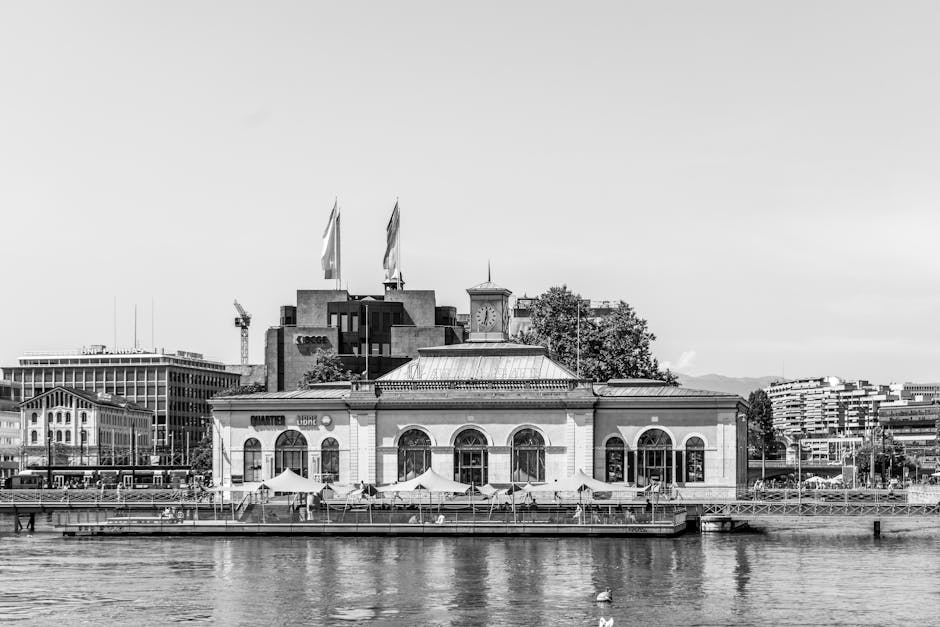
Timetables: TPG trams and buses generally run from 05:00 to 00:30 on weekdays, with certain lines extending late and night services (night lines N1, N2, etc.) on Friday and Saturday nights. Specific schedules are posted at stops or on the TPG app. For the Mouettes Genevoises (lake shuttles), departures run regularly during the day, typically between 06:30 and 21:30 depending on the season, with frequent crossings on popular routes between Quai du Mont-Blanc and the right bank.
Practical tips: always validate your ticket before boarding (validation machines at stops or mobile tickets via the app). If you’re caught without a valid ticket during an inspection, fines are high and can exceed the equivalent of €100; keep your proof of purchase. If you plan two return trips in one day, compare the cost of separate hourly tickets to a day ticket — often the day pass is more economical for multiple trips close together.
4) Cross-border workers and specialised solutions
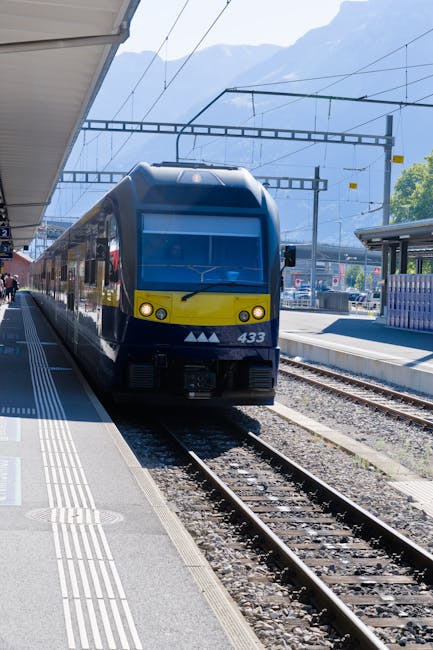
Cross-border commuters make up a significant share of Geneva’s transport users. They cross the border daily between Switzerland and France and often need passes covering multiple zones. The Léman Express (the Franco-Swiss regional network) links Geneva with towns like Annemasse, Évian-les-Bains and La Plaine. Combined Unireso/Léman Express subscriptions cover these journeys but you must pay close attention to fare zones: for example, a pass covering Geneva + Annemasse costs noticeably more than a simple city pass.
Where to get information: Léman Express / CFF ticket counters at Gare Cornavin, the TPG information desk, and CFF sales points at stations. Key address: Gare Cornavin, Place de Cornavin, 1201 Genève. Typical ticket office hours: 06:00–19:00 on weekdays, reduced hours at the weekend. For paperwork you may need to provide proof of residence or an employment contract for special cross-border commuter fares. Local tip: some local authorities offer subsidies for cross-border workers — check with your employer or the cross-border municipal office.
Indicative prices: monthly multi-zone commuter pass ≈ €120–€200 depending on coverage; 10-ride cards or interzone booklets can also offer discounts. Mobile apps (CFF, Léman Express, TPG) let you load passes and occasionally benefit from special offers. Advice: if you’re newly commuting across the border, calculate total costs precisely (fuel + tolls vs subscription) — typically the pass wins on comfort and total cost if you use the train multiple times per week.
5) Practical tips, inspections and essential apps
To make the most of Geneva’s system, adopt a few simple habits: download the TPG app (for timetables and ticket purchases), the CFF app (train + Léman Express) and use a Unireso card or its mobile equivalents. Ticket machines accept bank cards; it’s still useful to have a little cash for small purchases. Inspections: controllers regularly check trams and trains; an unvalidated or missing ticket can be very costly. Always keep proof of purchase (paper ticket, QR code, or pass on your phone).
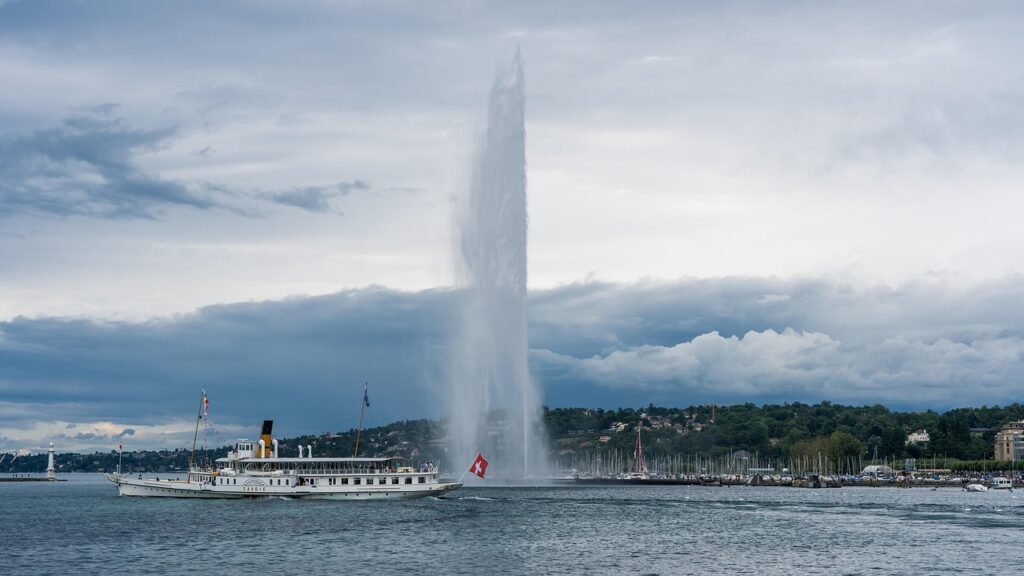
Night and weekend services: some lines run extended or night services on Fridays and Saturdays. If you expect a late return, check TPG timetables in advance. For lake crossings, the Mouettes Genevoises mainly operate from early morning to late evening, but schedules vary by season; a common stop: Quai du Mont-Blanc, 1201 Genève. For sightseeing trips, a day ticket can be worthwhile since it lets you visit the Musée d’Art et d’Histoire (Rue Charles-Galland 2, 1206 Genève), the English Garden and the Jet d’Eau (Quai Gustave-Ador, 1207 Genève) in one day without worrying about multiple validations.
Final local tips: during busy periods (international fairs, conferences at Palexpo — Route François-Peyrot 30, 1218 Le Grand-Saconnex), anticipate your journeys and buy tickets in advance; opt for short-term passes if you plan to stay several weeks. If unsure, head to Gare Cornavin, Place de Cornavin, 1201 Genève, where you’ll find the most information and the largest number of ticket counters to help you.
Conclusion — Which option to choose in Geneva?
Choosing between a pass and single tickets in Geneva comes down to how often and how far you travel. For residents and regular commuters, a monthly or annual Unireso pass for zone 10 (or multiple zones if you work in the suburbs or nearby France) is almost always a money-saver and brings real convenience. Annual passes, while costly upfront, lower the price per trip and simplify daily life. For visitors, occasional workers or people making fewer than three round trips a week, single tickets or day passes are more flexible and avoid the initial investment of a subscription.
Remember the essentials: identify your Unireso zones, buy tickets at Gare Cornavin (Place de Cornavin, 1201 Genève) or via official apps, always validate your tickets, and check for special offers for youth, students and cross-border workers. Bear in mind that the prices shown in this guide are approximations in euros (official fares are in Swiss francs and subject to change). When in doubt, a visit to the CFF/TPG ticket office will give you the most accurate information, including up-to-date timetables and any promotional offers.
Finally, enjoy the quality of Geneva’s network: punctuality, cleanliness and the smooth connections between tram, bus, train and boat make getting around a pleasure. Whether you go for a pass or pay-as-you-go, a little preparation and the right mobile apps will save you time and money. Safe travels in Geneva!