





Introduction — Crossing into Switzerland via Geneva: context and comprehensive overview
Geneva is a major international gateway into Switzerland, sitting right where Switzerland meets France on the shores of Lake Geneva. Whether you arrive by plane, train or car, customs, border checks and administrative formalities can feel confusing at first. This guide focuses on the practical and official details you need to know when entering Switzerland through Geneva: which documents to have ready, where and how checks are carried out, the customs rules around goods and cash, and local tips to avoid unpleasant surprises.
Geneva International Airport (Genève Aéroport / Cointrin): Genève Aéroport, Route de l’Aéroport 21, 1215 Genève, Switzerland — is the first point of contact for most international travellers. It operates as a hub for both Schengen and non‑Schengen flights, with different security and immigration procedures depending on where you’re coming from. Passengers from non‑Schengen countries go through a formal entry check; those arriving from France or other Schengen states may not face routine immigration checks, but customs rules still apply for goods and cash.
The land border crossings between France and Geneva are very busy, with major road crossings like Bardonnex / Saint‑Julien‑en‑Genevois and the Pont de la Douane at Genève‑Vernier. Drivers should be aware of import limits for goods (alcohol, tobacco, food), the formalities if carrying large amounts of cash, and the possibility of spot checks by the Swiss border police (Corps des garde‑frontière). For train travellers, Gare Cornavin (Gare de Genève‑Cornavin, Place Cornavin 1, 1201 Genève, Switzerland) is the central rail hub: international connections — especially from France (Gare d’Annemasse, Place de la Gare, 74100 Annemasse, France) — are frequent and sometimes subject to random immigration checks.
This guide details: administrative structures and useful addresses (customs offices, stations, border posts), typical opening hours for checks and services, estimated costs in euros for transport and related services, exact customs declaration rules (particularly for cash, alcohol and tobacco), the procedure to claim VAT refunds or declare commercial goods, plus practical tips to save time and avoid mistakes. You’ll also find immersive info — descriptions of locations, local tips like where the customs desk is, how much a taxi from the airport to the city centre typically costs (estimates in euros), and recommendations for business and leisure travellers.
Finally, the guide presents concrete scenarios (arrival by air from a non‑Schengen country, driving in from France, transiting by train) with step‑by‑step actions, documents to prepare and what to expect if you’re stopped. The goal is that after reading this, every traveller can cross the border at Geneva confidently, calmly and in compliance with the law.
1) Arriving in Geneva by plane: procedures at Geneva Airport (Cointrin)
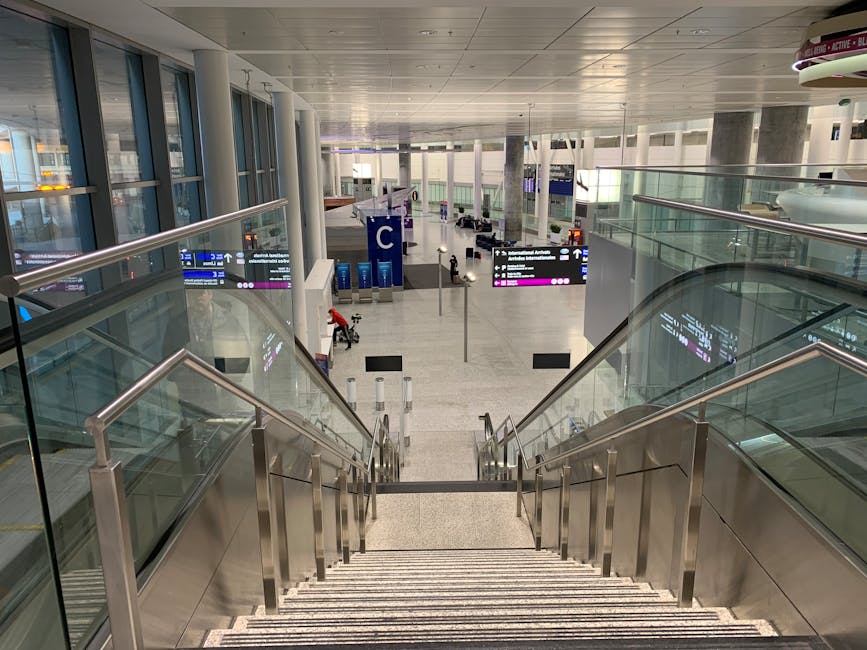
Genève Aéroport (Genève Aéroport, Route de l’Aéroport 21, 1215 Genève, Switzerland) handles both Schengen and non‑Schengen flights. In practice the airport separates passenger flows: travellers from non‑Schengen countries go through immigration on arrival; those from Schengen countries arrive into an internal zone without routine immigration checks, though random checks can occur. The customs office is located within the international zone and operates 24/7: Bureau des Douanes Genève Aéroport, Route de l’Aéroport 21, 1215 Genève — available for declarations, inspections and information.
Documents to prepare:
- Passport or valid national ID card according to your nationality; non‑Schengen nationals must present a passport and visa if required.
- Onward ticket or proof of accommodation (hotel reservation), often requested by immigration officers.
- Customs declaration forms if you’re carrying goods that must be declared (alcohol, tobacco, large amounts of cash).
Checks:
- Immigration check: non‑Schengen flights — visas and entry stamps are checked. Hours: depends on flight arrivals, but immigration services are available 24/7 for major international flights.
- Customs check: two exits after arrivals: the green lane « Nothing to declare » and the red lane « To declare »; if you have goods over the allowances, use the red lane and speak to customs staff. The airport customs service operates 24 hours a day.
Examples of costs and time:
- Taxi Airport → Geneva city centre (Place Cornavin): roughly €35–45 (approx. 35–45 CHF). Duration: 10–20 minutes depending on traffic.
- Public shuttle/bus: free public transport tickets are handed out at the exits and are valid for 80 minutes (the airport « free public transport » ticket). If you buy a standard unireso ticket, expect about €3.00 (≈3.20 CHF) for a single urban trip — fares subject to change.
- Customs checks for large volumes: variable fees if items are commercial or if in‑depth inspections are required — procedures can take from 30 minutes up to several hours depending on complexity.
2) Entering by road: border posts, road checks and customs rules
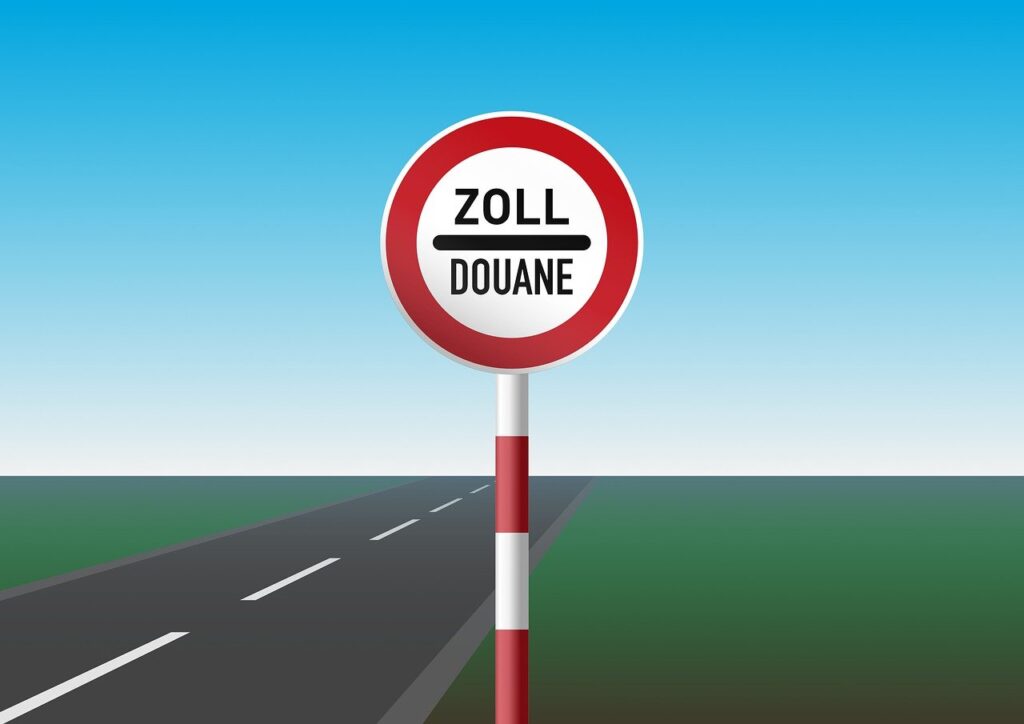
The Franco‑Swiss border around Geneva is very active: main road crossings include Bardonnex / Saint‑Julien‑en‑Genevois (Route de Bardonnex, 1257 Bernex, Switzerland vicinity) and the Pont de la Douane at the urban border. Swiss border guards (Corps des garde‑frontière) carry out ID checks and customs inspections. Road border posts are open continuously, but how often checks happen depends on traffic and security decisions.
When to expect a check:
- Peak times (morning/evening) and weekends see more frequent controls;
- Targeted checks linked to special events (international conferences, summits, demonstrations);
- Random checks to verify vehicle compliance and to ensure no prohibited or undeclared goods are being carried.
Key customs rules (practical summary):
- Cash: if you carry large sums, Swiss law requires declaration of cash and financial instruments from CHF 10,000 and up (approx. €10,500 — indicative). To avoid doubt it’s safe to declare amounts starting at €10,000. Declarations are made at the customs post.
- Alcohol: limited personal allowances apply for non‑residents; if you exceed those amounts you must declare and pay duties. Practically, if you bring several bottles in bulk (multiple litres) you should go to the customs counter.
- Tobacco: personal allowances are limited; beyond those, declaration is mandatory.
- Food and plants: some products (meat, dairy, plants) face strict sanitary restrictions and may be prohibited or require phytosanitary certificates.
Procedures if you are stopped:
- Stay calm and cooperative, present passports and vehicle documents (registration, driving licence);
- If officers ask to open luggage, accompany them and make a note of any official report;
- For commercial goods, have invoices and proof of purchase ready to justify the nature and value of the items.
Local tips:
- Avoid peak hours if driving across — Bardonnex can be congested in the mornings and evenings;
- Keep space in your luggage for original documents (invoices) if you buy expensive items in France before entering Switzerland;
- If travelling with pets, have the EU pet passport and vaccination certificates to hand (including rabies if required).
3) Entering by train: Cornavin station, routes from France and common checks
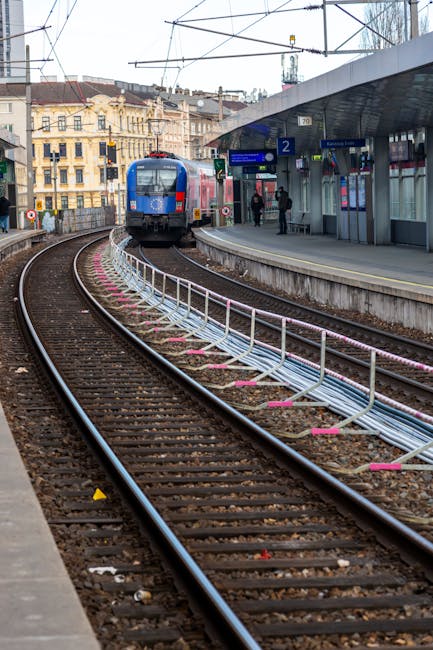
Gare Cornavin (Gare de Genève‑Cornavin, Place Cornavin 1, 1201 Genève, Switzerland) is Geneva’s main railway hub. Connections from France — notably from Gare d’Annemasse (Gare d’Annemasse, Place de la Gare, 74100 Annemasse, France) — are very frequent and operated by services such as SNCF, Léman Express and the Swiss Federal Railways (CFF). Cross‑border trains run often and immigration checks are usually less systematic than at airports; however, spot checks by border police can occur on board or at stations.
Typical procedure for a cross‑border journey:
- Before departure: check your ID (passport or national identity card); without valid ID you could be held at the border;
- On arrival at Cornavin: if immigration checks are underway follow officers’ instructions and show your ID;
- Customs checks: for goods exceeding allowances or if suspicions arise, customs can carry out inspections; travellers will be directed to the station customs office (if necessary) to complete formalities.
Hours and services:
- Gare Cornavin is served from early morning until late at night — opening hours vary by line; the station itself is generally open daily from dawn until late evening, with CFF ticket counters open at peak times.
- The Léman Express (cross‑border network) runs direct trains between Annemasse and Geneva every 15–30 minutes at peak times; travel time Annemasse → Cornavin is about 10–15 minutes.
Estimated costs:
- Ticket Annemasse → Cornavin: around €2.50–4.00 depending on ticket type and fare zones (indicative fares, buy at the station or via apps). Travellers can purchase a unireso ticket or a CFF ticket (price subject to operator).
- Spot customs checks: free for the traveller unless duties or declarations are required for goods — payments may be accepted in euros in some cases (converted to CHF).
Practical tips:
- Keep your documents easy to reach: on‑board or station checks can happen suddenly;
- If carrying large purchases from France keep receipts and packaging to simplify any declaration;
- Use the left luggage service at Cornavin (address: Gare de Genève‑Cornavin, Place Cornavin 1) if you want to sightsee before handling any formalities: locker prices vary (≈ €5–10 depending on size and duration).
4) Swiss customs: import rules, allowances and declaration procedures
The Swiss Customs Administration (Administration fédérale des douanes – AFD) regulates the entry of goods and monetary resources. In practice, the rules to know concern personal allowances, restricted items and the declaration process. For travellers the essentials are: cash, alcohol, tobacco and new goods intended for resale.
Common allowances and limits (practical summary for travellers):
- Cash: declaration is recommended and often required from CHF 10,000 and up (≈ €10,500 — indicative). If you carry that amount or more present yourself to the customs post to complete the declaration.
- Alcohol and tobacco: personal quantities are tolerated up to certain limits; if you exceed them you must use the « To declare » lane and pay import duties. Exact limits vary by product and officers will consider your reason for entry (resident vs. visitor).
- Perishables and plants: strict sanitary checks; some meats, dairy products and plants require certificates or are prohibited.
Declaration procedure:
- If you have items to declare, head to the red lane when leaving international zones or contact the nearest customs office (e.g. Bureau des Douanes Genève Aéroport, Route de l’Aéroport 21, 1215 Genève — open 24/7 at the airport);
- Complete the declaration form provided — the customs officer will check and calculate any duties and taxes due;
- Payment: duties are normally payable in Swiss francs, but some desks accept euros with conversion (bring an international payment method or cash to speed things up);
- If you are exporting goods bought in Switzerland and want a VAT refund, follow the « tax‑free » procedure shown on your invoice and get the customs stamp at the point of exit before leaving the country.
Useful contacts and addresses:
- Bureau des Douanes Genève Aéroport, Route de l’Aéroport 21, 1215 Genève — open 24/7 for airport declarations.
- Swiss Federal Customs Administration (official website) — for official texts and up‑to‑date allowance amounts; check the latest rates before travelling.
Additional practical tips:
- Always declare if you’re in doubt: penalties for non‑declaration can be heavy and may include confiscation of goods;
- Keep all purchase invoices to make procedures quicker;
- If you are a business traveller or carrying large quantities, contact customs before arrival to organise commercial clearance (different procedure than for private travellers).
5) Local practical tips: save time, useful contacts and common situations
For a smooth border crossing at Geneva, here are practical tips tried by frequent travellers and professionals:
Before you travel:
- Check your documents’ validity: passport or ID card valid according to your country’s rules; for Switzerland, an EU/Schengen national ID card is usually sufficient for EU/Schengen citizens.
- Know the approximate values above which declaration is required — for example cash ≥ CHF 10,000 (≈ €10,500); if carrying high‑value goods bring invoices.
- For pets: keep the pet passport and vaccination certificates handy.
On the ground in Geneva:
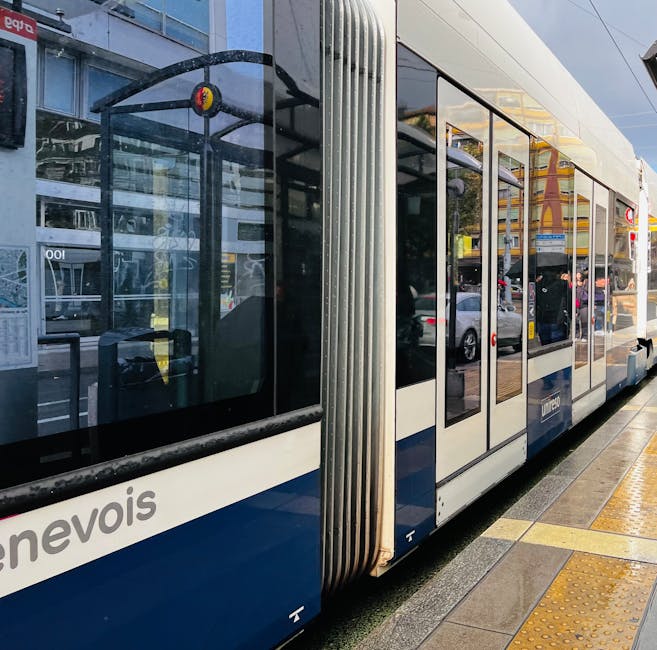
- At the airport, pick up the free public transport ticket (valid for 80 minutes) to reach the city centre without cost — it’s handy and saves a taxi. Departure address: Genève Aéroport, Route de l’Aéroport 21, 1215 Genève.
- By car, avoid peak hours at Bardonnex and St‑Julien; use real‑time traffic apps to pick the best time.
- If you need to declare, use the red lane and ask for a receipt for every transaction. Keep that receipt with your travel documents.
Contacts and resources:
- Swiss Federal Customs Administration — official website for regulatory updates (search for « Swiss Federal Customs Administration » online);
- Bureau des Douanes Genève Aéroport, Route de l’Aéroport 21, 1215 Genève — open 24/7 for in‑person help;
- Gare de Genève‑Cornavin, Place Cornavin 1, 1201 Genève — for questions about rail checks and left luggage.
Common scenarios:
- Arriving from a non‑Schengen country: have your passport and proof of accommodation ready; clear immigration at the airport and present goods to customs if needed;
- Crossing by car after shopping in France: keep receipts and packaging, declare once you exceed allowances;
- Transiting onward from Geneva: check restrictions on liquids and special items in your baggage, as security and customs checks may apply.
Conclusion — Prepare well for entering Switzerland via Geneva for a stress‑free crossing
Crossing into Switzerland via Geneva takes some preparation but is perfectly manageable by following a few simple rules: know the required documents, anticipate allowances and declaration duties, and keep invoices and proof of purchase handy. Whether you arrive at Geneva International Airport (Genève Aéroport, Route de l’Aéroport 21, 1215 Genève), by train at Gare Cornavin (Place Cornavin 1, 1201 Genève) or by car via Bardonnex / border posts, the essential steps are the same: identity checks, compliance with customs rules, and cooperation with authorities if you are stopped.
The key to a calm border crossing is information: consult the Swiss Federal Customs Administration’s official sites before travel to check current amounts and rules, be ready to declare large amounts of cash (practical threshold: CHF 10,000 ≈ €10,500) and avoid taking large quantities of alcohol or tobacco without checking limits. Use free or low‑cost services (the airport’s complimentary public transport ticket, Léman Express trains between Annemasse and Cornavin) to move around the city, and budget roughly €35–45 for a taxi if you need a faster transfer to the centre.
If in doubt, go to the nearest customs office (for example the 24/7 customs desk at Geneva Airport) and request a receipt for any declaration. Officers are there to enforce the rules but also to help: a cooperative attitude will speed up any process. Finally, allow extra time for possible checks, especially during busy periods. With these precautions, your entry via Geneva will be confident and hassle‑free — letting you enjoy Lake Geneva, the museums and the city’s elegant streets without administrative stress.