



Introduction — Getting Around Geneva: Overview, Challenges and Pass Choices
Geneva is a compact but densely populated city sitting on the shores of Lake Geneva and bordered by French cross-border suburbs. You’ll find a mix of diplomatic, financial and tourist activity — international organizations, museums, lakeside cafés and residential neighborhoods with a very European feel. Getting around smartly in Geneva means taking into account the topography (a few hills), the international connections (the airport, Cornavin train station), and the daily presence of cross-border commuters. Your transport mode and the pass you choose will depend on how long you stay, the journeys you plan (downtown vs outskirts or neighboring France) and your profile (tourist, cross-border worker, resident).
This practical guide presents the 5 main transport options in Geneva — trams and buses (TPG), regional/international trains (CFF/SBB), boats (Mouettes and CGN), two-wheel and shared mobility solutions (PubliBike, e-scooters), and taxis/rideshares/car rentals — with useful addresses, indicative fares in euros, representative schedules, immersive descriptions and tips to help you pick the right pass. Each section explains how the service works and gives concrete scenarios: when a monthly TPG pass makes sense, when to choose a tourist pass instead, or when renting a car is the best option (and at roughly what cost).
Important note: prices in Switzerland are usually shown in Swiss francs (CHF). For clarity, the prices below have been converted and rounded to euros (€) as an indication (approximate rate: 1 CHF ≈ 0.95–1.05 € depending on the period). Timetables are representative and may change seasonally; always check official sites before you travel. Also, wherever you stay, ask about the free “Geneva Transport Card” offered by some hotels (included for overnight stays) — it can influence your choice of pass.
1. Trams and Buses (TPG) — Dense Urban Network: When to Choose a TPG Pass
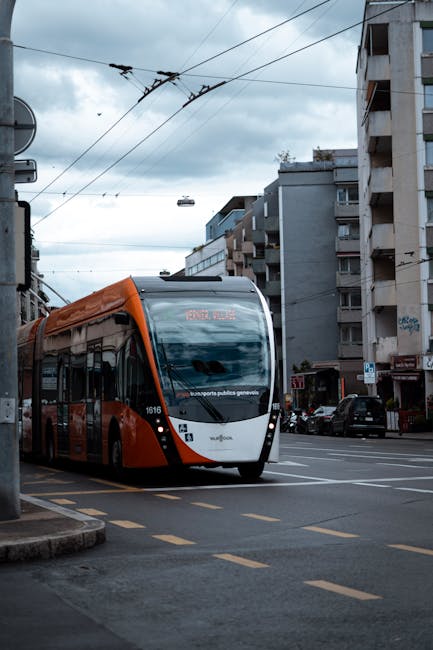
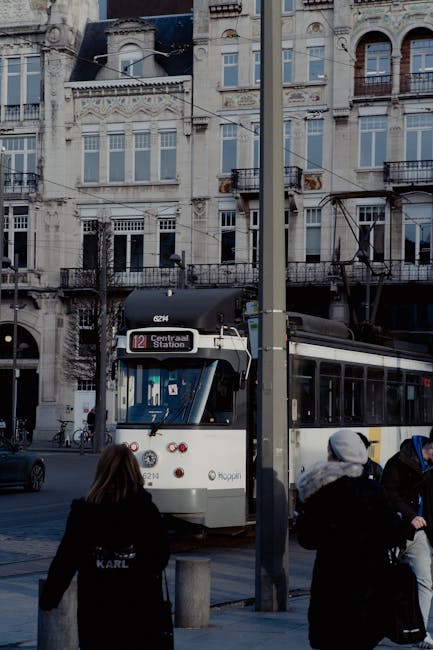
Transports Publics Genevois (TPG) are the backbone of urban mobility in Geneva. The network covers trams, buses, trolleybuses and shuttles, linking spots like Gare Cornavin (Place Cornavin 2, 1201 Genève), Place du Rhône (Quai des Bergues 1, 1201 Genève), and the airport. Trams run frequently: main lines (12, 14, 15, 18 depending on season) every 6–12 minutes during the day, with reduced frequency in the evening (every 15–30 minutes).
Indicative fares (TPG): single central-zone ticket around €3.00 (1-hour ticket including transfers), 24‑hour ticket about €8–10, youth discounts from around 25% depending on age. Monthly TPG pass for the Canton of Geneva (urban zone) roughly €60–80 per month (single zone); annual pass around €600–800 (figures indicative). For regular workers or students, a monthly or annual pass often pays off from about 20 round trips per month.
Typical hours: first services around 05:00–05:30, main service 06:00–21:00, night services (Noctambus) 22:30–03:30 depending on line and day. Tickets can be bought via the TPG app, at station outlets, or from ticket machines. Recommended sales points: Gare Cornavin, major station kiosks (Place Cornavin 2, 1201 Genève).
When to get a pass? If you’re staying more than a month and commuting daily within the urban zone (home-work-school), a monthly TPG pass quickly pays for itself. For short stays (weekend or 3–7 days), the 24‑hour ticket or day pass (≈ €8–10) is far more flexible. Local tip: ask your hotel for the Geneva Transport Card — it often gives you free access to public transport for the length of your stay.
2. Regional and International Trains (CFF/SBB) — Genève-Cornavin and Cross‑Border Network
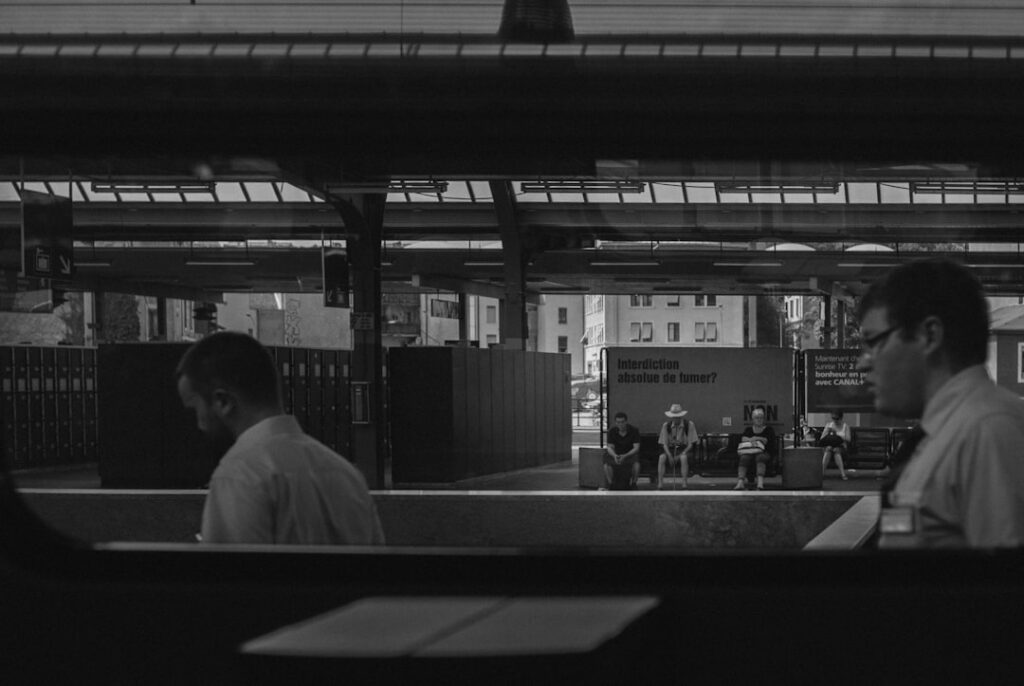
Main station Genève‑Cornavin (Place Cornavin 2, 1201 Genève) is the hub for CFF/SBB lines connecting Geneva to Lausanne, Zurich, Bern, and into France (Annemasse, Lyon). Regional trains (TER/CEVA) and international services also serve Geneva Airport with quick connections from Cornavin (departures every 10–20 minutes, around 6–8 minutes journey for some services).
Indicative fares: one-way Geneva Cornavin → Lausanne ≈ €20–30; Geneva → Lyon Part-Dieu ≈ €30–45 (depending on advance purchase and promotions). Passes: the Swiss Half Fare Card cuts individual tickets by 50% — approx. €80–100 for a month. Swiss Travel Pass (for tourists): from about €210 for 3 consecutive days, useful if you plan multiple long-distance trips. Cross-border commuters can find regional combined passes depending on the canton and bilateral agreements; check the CFF ticket office at Cornavin for details.
Schedules: intercity trains every 30–60 minutes depending on destination; regional trains very frequent at peak times (every 15–30 minutes). Tickets available at station machines, CFF ticket counters, or via the SBB Mobile app. Tips: for trips into France (Annemasse, Saint-Julien-en-Genevois), check fare zones and potential customs checks. If you travel with lots of luggage or instruments, prioritize direct intercity trains.
3. Boats: Geneva « Mouettes » and CGN — Scenic Crossings and Lake Shuttles
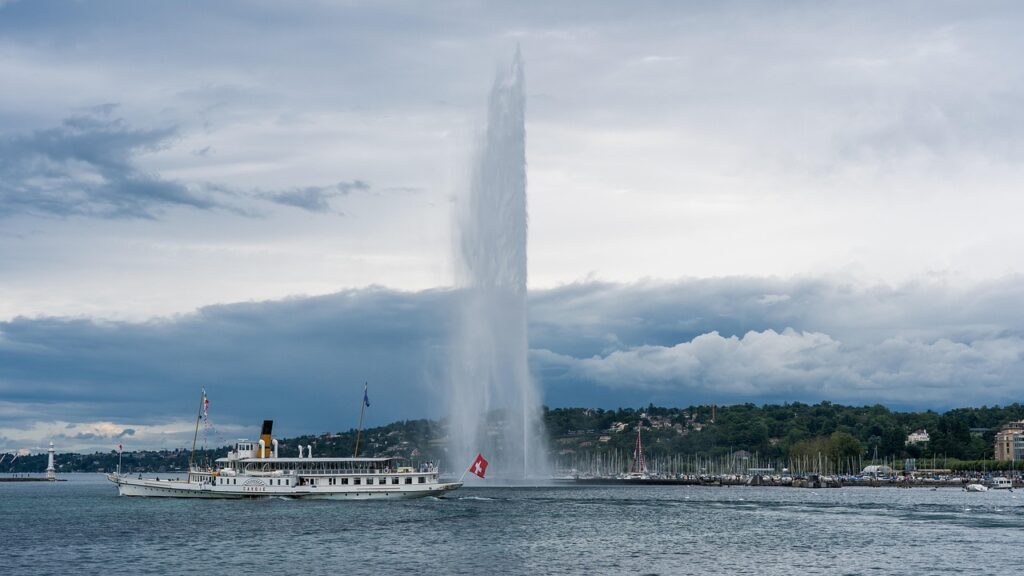
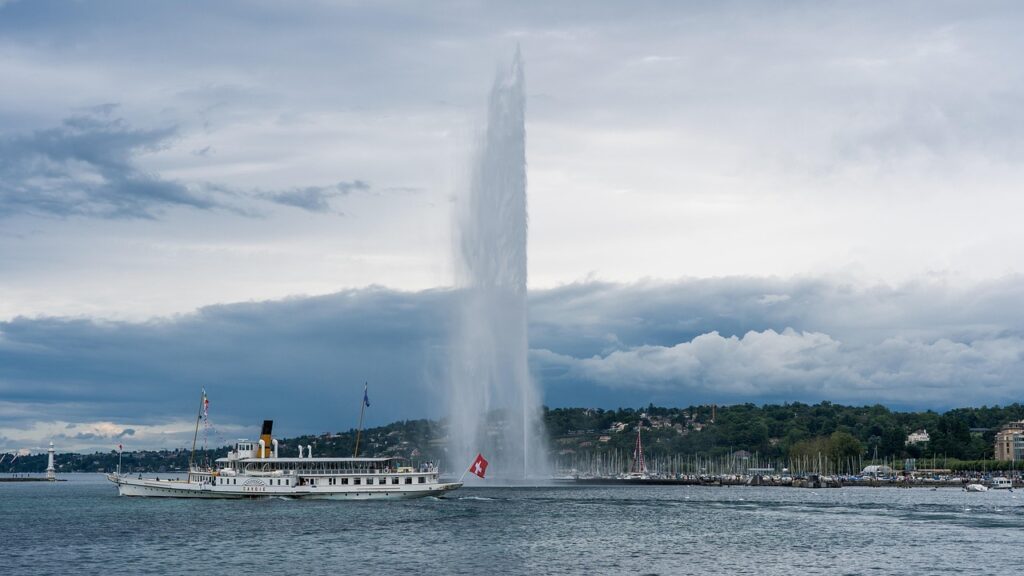
Boating on Lake Geneva is both transport and sightseeing. Two main operators coexist: the Mouettes genevoises (short lakeside shuttles) and the Compagnie Générale de Navigation (CGN) for longer crossings (Rolle, Nyon, Montreux). Key piers: Jetée des Pâquis, Quai Gustave-Ador (Quai Gustave-Ador, 1207 Genève) and Quai Général‑Guisan (CGN terminal).
Indicative prices: Mouettes genevoises (short shuttle) single ticket ≈ €2.50–4.00; CGN leisure cruises or Geneva → Nyon crossings ≈ €15–30 depending on distance and season. Passes: some TPG packages include short lake shuttles in the urban zone; CGN offers seasonal cards and combined train+boat passes (check CGN ticket office at Quai Général‑Guisan 36, 1204 Genève). Schedules: Mouettes every 10–30 minutes during the day; CGN lines run seasonally with increased frequency April–October.
Immersive description: boarding at sunset from Jetée des Pâquis gives you direct views of the Jet d’Eau, the mountains in the background and the ochre façades along the quays. CGN boats often have open decks, onboard cafés and bilingual commentary during the tourist season. Practical tip: in winter choose trains for long crossings; in summer buy tickets in advance for popular excursions (Yvoire, Nyon, Montreux).
4. Bikes, E‑Scooters and Shared Services — PubliBike, Mobility and Micromobility
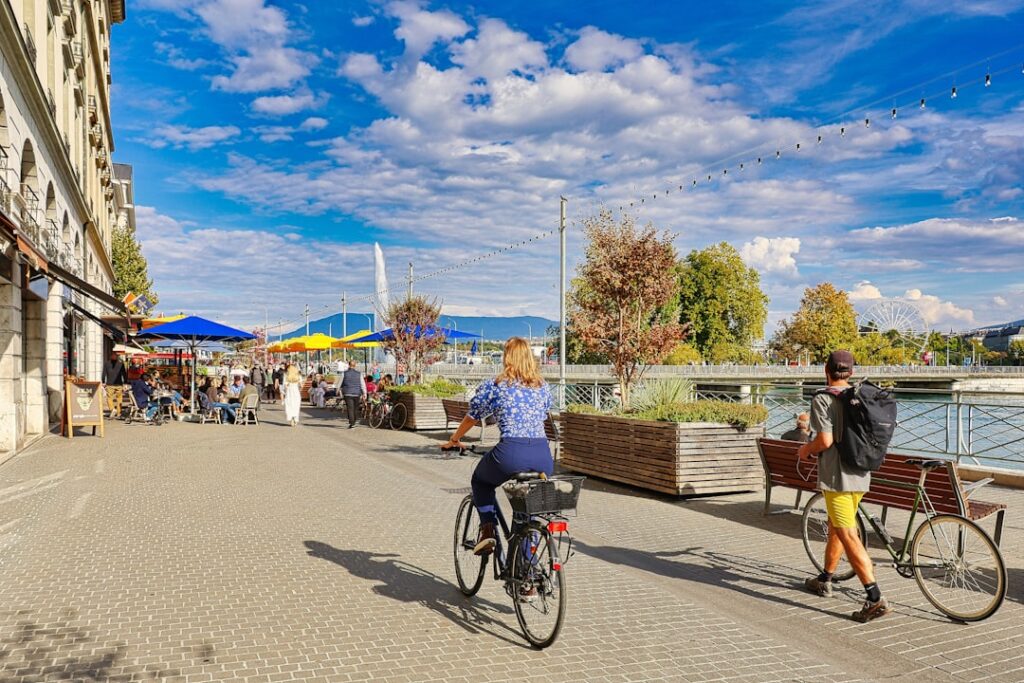
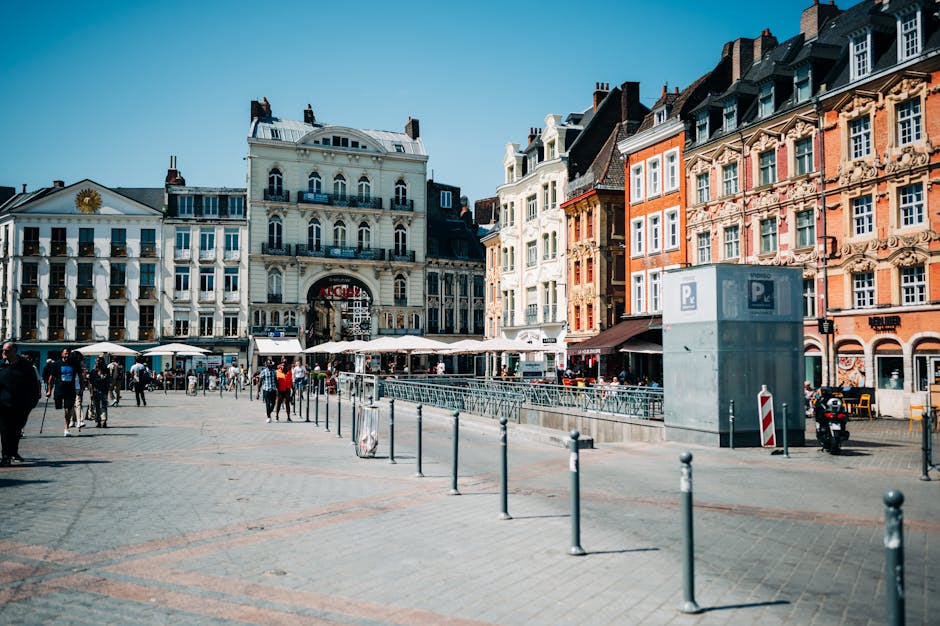
Geneva promotes soft mobility: there are many bike lanes and PubliBike stations. PubliBike offers docked shared bikes with stations across the city: recommended station Place du Bourg‑de‑Four (Rue du Puits‑St‑Pierre 4, 1204 Genève). Mobility (car‑sharing) has pick‑up points in the city and at the airport (Route de l’Aéroport 21, 1215 Genève). In addition, shared electric scooters (Lime, Dott) operate in the city center.
Indicative prices: PubliBike day pass ≈ €3–6, annual pass ≈ €35–60, hourly rentals often included for short trips (first half hour free depending on plan). E‑scooters: unlock fee ≈ €1–2, then ≈ €0.15–0.30 per minute — a 10‑minute ride ≈ €3–5. Mobility car‑sharing: hourly rate ≈ €5–10 plus mileage ≈ €0.30–0.60/km.
When to choose a pass? Shared bikes or a PubliBike pass are ideal for short trips within the city center (≤ 5 km), and for visitors who want flexibility without a long commitment. If you’re a resident and use a car occasionally, an annual Mobility plan can be worthwhile. Local tip: carry a lock for longer rentals and respect pedestrian zones around the Old Town (Rue du Rhône, Place du Bourg‑de‑Four).
5. Taxis, Rideshares and Car Rentals — Flexibility, Cost and Mobility Subscriptions
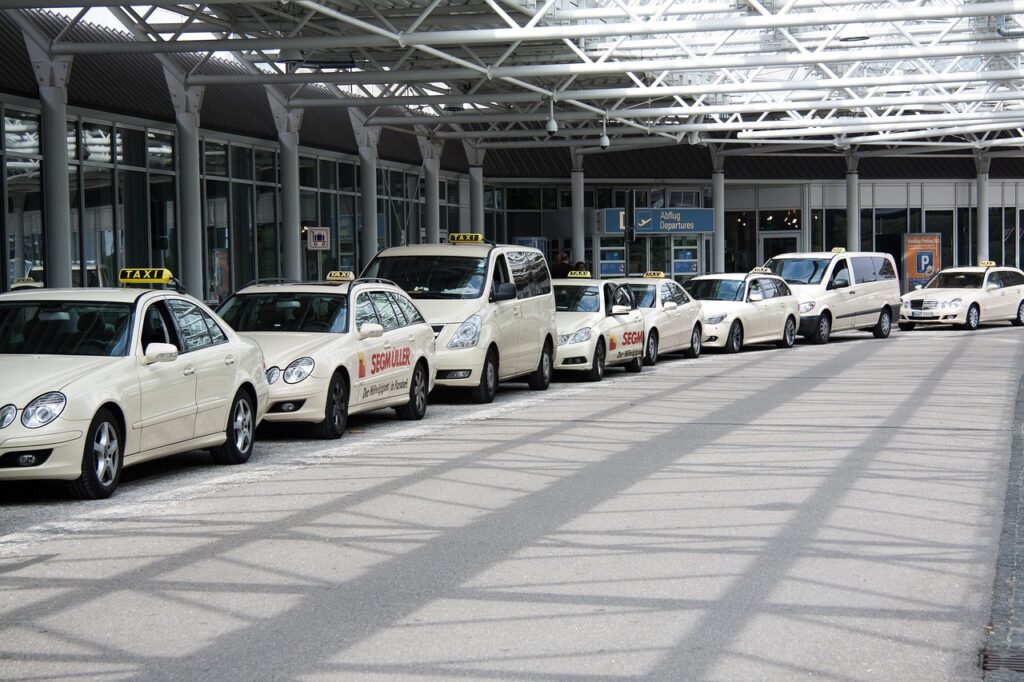
Official taxis: Taxi Genève operate 24/7; common pickup points include Geneva Airport (Route de l’Aéroport 21, 1215 Genève) and Gare Cornavin (Place Cornavin 2, 1201 Genève). Rideshare apps (Uber, Bolt) also operate. For car rentals, international agencies (Sixt, Europcar, Hertz) are located at the airport (Terminal A, Rental Zone, Route de l’Aéroport 21, 1215 Genève).
Indicative prices: taxi within the city ≈ €6–12 base fare + €2.50–3.50/km — airport → central area ≈ €30–45 depending on traffic. Uber/Bolt: often 10–30% cheaper outside peak times; surge pricing applies based on demand. Car rental: day rate ≈ €40–80 for a small city car off‑season, insurance and fuel extra. Subscriptions: corporate TaxiCards and Mobility car‑sharing subscriptions exist for regular use; ask rental companies or operators about corporate rates to lower costs.
When to choose? Taxis or rideshares for comfort, heavy luggage or late‑night travel; renting a car if you frequently venture into the countryside, Haute‑Savoie or have a multi‑stop itinerary. Conversely, if you stay strictly in the city and use public transport, avoid a car: parking is expensive and traffic can be heavy. Local advice: when taking a taxi at the airport, use the official queues — drivers usually know the fastest cross‑border routes to Annemasse or Saint‑Julien.
Conclusion — Pick the Right Pass for Your Profile and Make Your Trips More Efficient
Choosing between trams/buses, trains, boats, shared two‑wheelers, taxis or car rentals in Geneva mainly comes down to three factors: length of stay, trip frequency and planned destinations. For a resident or daily commuter, a monthly TPG pass (or a combined train+TPG pass if you cross the border often) is usually the most economical choice. Cross‑border workers should investigate cross‑border passes or the Swiss Half Fare Card for frequent Geneva–France trips. Tourists staying a few days will often prefer 24‑hour tickets or the Geneva Transport Card provided by their hotel, complemented by a CGN boat excursion if the weather is good.
If you plan regular regional trips (Lausanne, Lyon, Annecy), a CFF pass or the Swiss Half Fare Card can significantly cut costs. Shared bikes and scooters are perfect for exploring the historic center and the quays; a bike+train combo is often the most pleasant way to enjoy the lake and walks without worrying about parking. Finally, taxis and rideshares provide convenient door‑to‑door service but are costly — best for nights, heavy luggage or urgent trips.
Always compare prices in euros and Swiss francs, check timetables (especially night services and seasonal boat schedules), and consult official sites TPG (tpg.ch), CFF (sbb.ch), CGN (cgn.ch), PubliBike (publibike.ch) and Mobility (mobility.ch) for the latest pass options. By combining passes and single tickets smartly you’ll optimize both your budget and your Geneva experience — smoother, greener and often more enjoyable.