





Introduction: Geneva’s hidden gardens and inner courtyards to discover
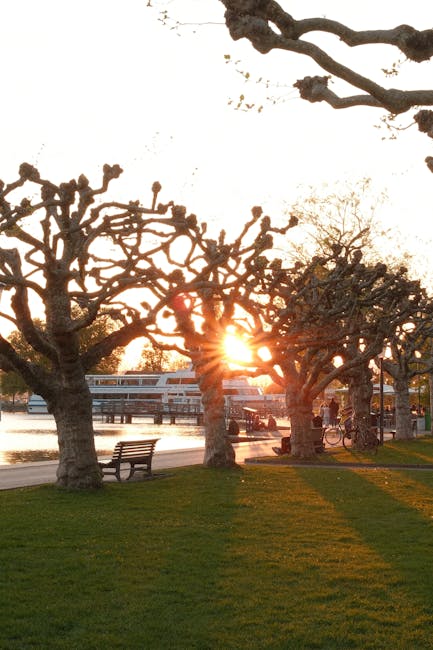
Geneva is not just a city of luxury watches, international institutions and sweeping lakeside views. Just off the busy boulevards and the shores of Lake Geneva sit a string of intimate spaces — tucked-away gardens, historic inner courtyards and small green oases — that reveal a different side of the city. These spots, sometimes shielded by high stone walls or nestled behind old facades, tell Geneva’s social, botanical and architectural stories. They invite slow wandering, a pause with a book, contemplative photography and brief escapes in the heart of the city.
This general guide, written for curious visitors and locals keen to uncover new corners, lists several gardens and courtyards you can reach on foot or by public transport from the city’s main entry points. You’ll find practical info — exact addresses, opening hours, admission prices shown in euros — plus immersive descriptions and local tips so you can enjoy each place like a insider.
Whether you’re into botany, a photographer hunting for secret compositions, a parent looking for a calm spot for an afternoon nap, or simply a walker needing a breather from urban hustle, Geneva’s gardens and courtyards offer varied experiences. Some spaces are well-known and best visited early morning or at sunset to avoid crowds; others are truly “hidden” and require a careful eye to find: a modest carriage gate opening onto a paved courtyard, a covered passage leading to an herb garden, or a historic park where you can sit beneath a centuries-old tree.
In the sections below, each spot is presented with practical details (full address, hours, price in euros), a sensory description (what you’ll see and hear), and useful local advice (best time to visit, access, photography tips, nearby amenities). Prices are shown in euros for international travelers’ convenience; note that some places charge in Swiss francs (CHF) on site, but approximate conversions are provided to help with planning.
Finally, suggestions for combining several stops into a single walk will help you make the most of a half-day or a full day exploring these vegetal and architectural retreats. Lace up your walking shoes, bring your camera and a small water bottle — Geneva hides peaceful treasures that are waiting to be discovered step by step.
Jardin Anglais and the famous Flower Clock: lakeside elegance and little alcoves
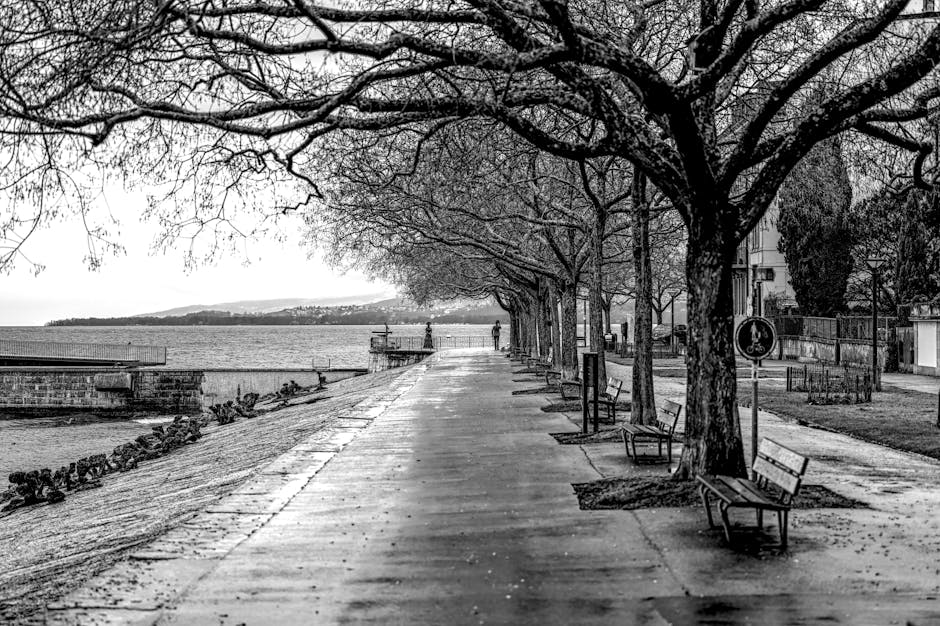
Jardin Anglais (the English Garden) is often the image that comes to mind when people think of Geneva’s lakeside walk. Located on the shore of Lake Geneva, this formal green space is also a great starting point for finding more intimate corners. Address: Quai du Général-Guisan 28, 1204 Genève. Access: free. Hours: generally open to the public from 06:00 to 22:30 (hours may vary by season); the lakeside promenade is accessible 24/7 but public lighting can be limited at night.
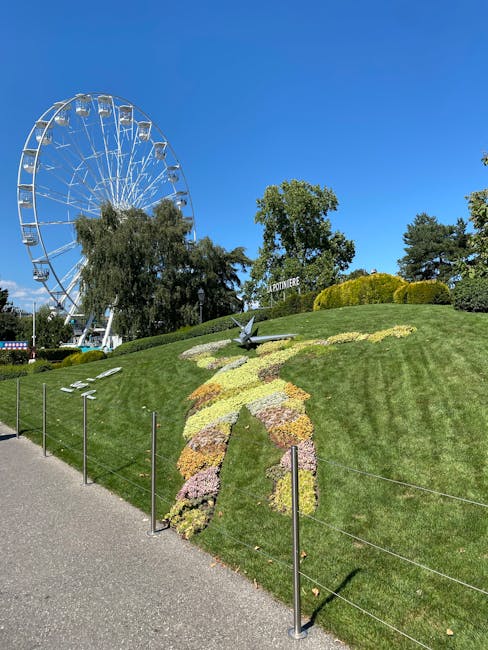
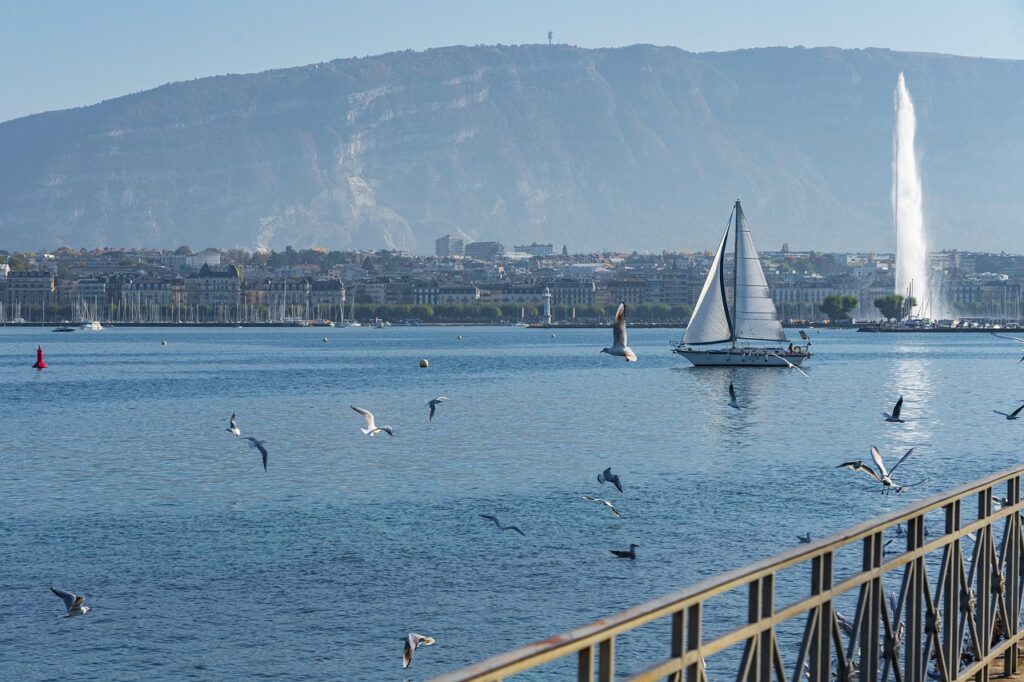
At the heart of the garden sits the famous Flower Clock, an iconic horticultural and horological installation that symbolizes Geneva. The flower beds that form the clock are changed with the seasons, always offering a colorful display. Around it, benches facing the lake invite you to watch the boats, the distant Jet d’Eau and listen to the gentle lap of water.
But it’s the small alcoves and side paths that make Jardin Anglais appealing to anyone seeking quiet: rows of clipped shrubs, groves of trees offering shade and small flower beds often overlooked by hurried tourists. These nooks are perfect for reading, a quick picnic (respect municipal rules), or a sunrise photo session when the light bathes the lawn and flower beds.
Local tips: arrive early in the morning (between 06:30 and 08:00) for soft light and relative solitude. If you want to photograph the Flower Clock with the Jet d’Eau in the background, position yourself on the east side of the garden at dusk. For a coffee afterward, the nearby Rue du Mont-Blanc has several cafés (an espresso costs about €2.80–€3.50 depending on the place). If you’re traveling with family, the garden is stroller-friendly with wide paths; avoid peak times (midday–15:00 on weekends).
About conservation and history
Jardin Anglais was laid out in the 19th century and is part of Geneva’s landscaped heritage. Municipal teams carry out strict seasonal horticultural maintenance: regular pruning, rotation of flowerings and measured phytosanitary treatments. Respect the signs and don’t stroll through the flower beds. Informational panels in some areas explain the plants and the park’s history.
Parc des Bastions and Old Town courtyards: history, sculptures and secret patios
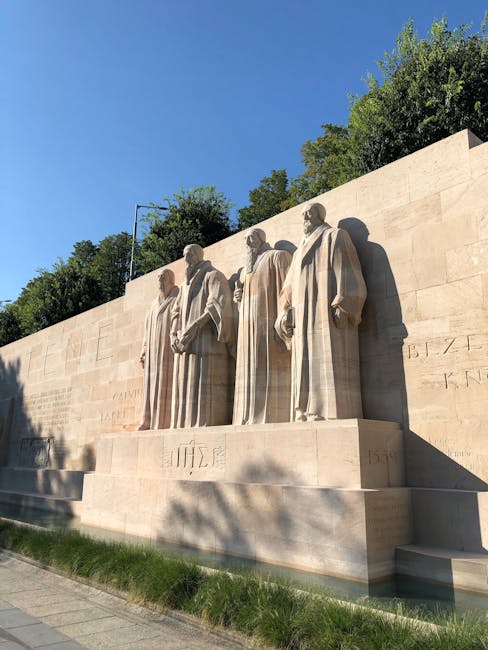
Parc des Bastions is a cultural and botanical stop in the heart of Geneva that links the city’s Reformation history to its medieval inner courtyards. Address: Promenade des Bastions 1, 1205 Genève. Access: free. Hours: generally open from 06:30 to 23:00, with seasonal variations. The park is famous for its Reformation Wall and large statues, but it also offers quiet tree-lined paths, peaceful lawns and benches ideal for people-watching.
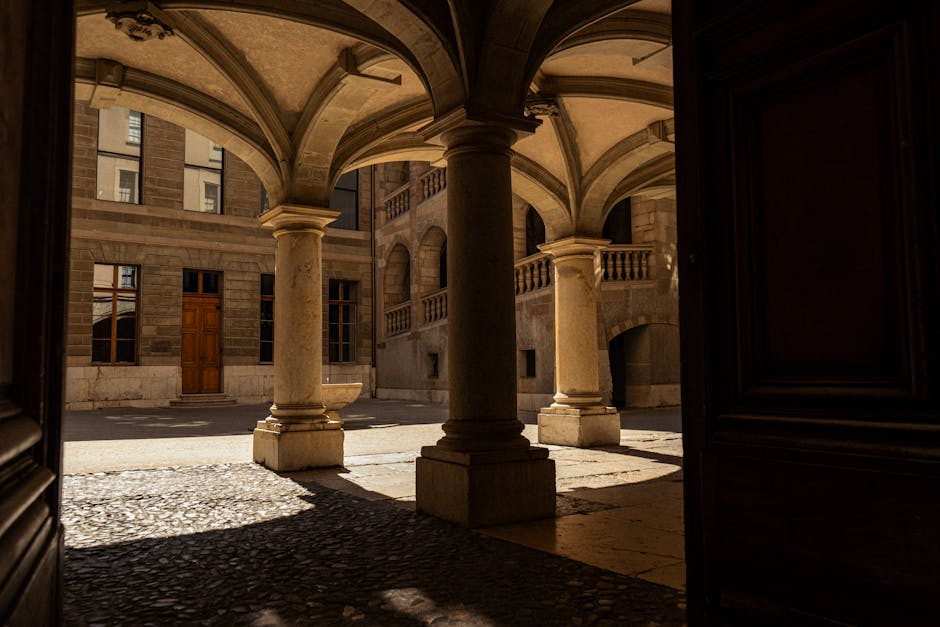
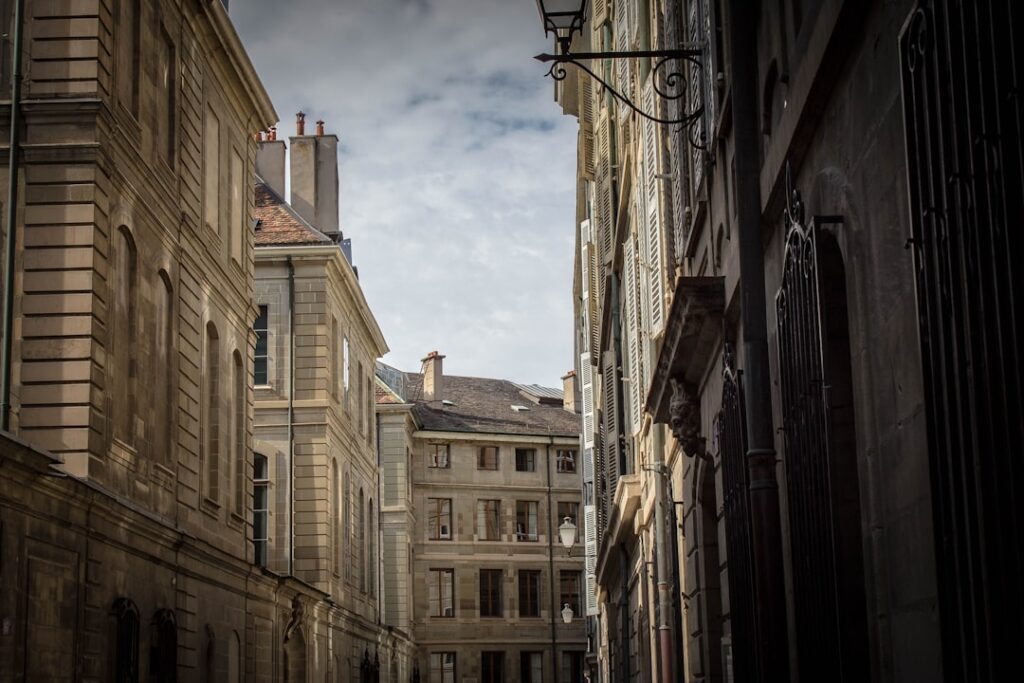
Just beside the park, the Old Town reveals itself through cobbled lanes that lead to surprising inner courtyards. Not-to-miss spots include Place du Bourg-de-Four (Place du Bourg-de-Four, 1204 Genève), Geneva’s oldest square, lined with cafés and arcades. Many old houses open onto private courtyards sometimes visible through small openings or during cultural open-house events. Wandering these streets brings the past to life: weathered facades, wrought-iron signs and stone scenes that speak of centuries gone by.
The inner courtyard of Maison Tavel (Rue du Puits-Saint-Pierre 6, 1204 Genève) is a perfect example of the contrast between an urban facade and inner calm. Maison Tavel is the oldest private house in the city turned museum: Museum entry to Maison Tavel about €5.00 (indicative price, 5 CHF ≈ €5.00), hours: Tuesday–Sunday 11:00–17:00 (closed Monday). Its paved courtyard and small alcoves let you sit and imagine the medieval city reborn. A museum visit pairs well with a stroll through the park and Old Town.
Local tips: to explore inner courtyards, opt for a guided walking tour (many are offered by Geneva’s Tourist Office) or join one of the themed “Old Town & Heritage” walks to gain access to some areas that are occasionally opened. If you plan to visit galleries or cafés around Place du Bourg-de-Four, the terraces are especially pleasant in the evening. Streets are cobbled; wear comfortable, waterproof footwear in case of rain.
Cultural encounters and micro-events
Parc des Bastions occasionally hosts outdoor temporary exhibitions, educational workshops and literary events. In warm months, the lawn near the Reformation Wall becomes a space for collective reading or small performances. Check with the Park Information Centre or the Tourist Office (Rue du Mont-Blanc 18, 1201 Genève) to time your visit with a local event that can enhance your experience.
Conservatory and Botanical Gardens & Parc de la Grange: plant exuberance and shady refuges
For plant lovers, the Conservatory and Botanical Gardens of Geneva (Conservatoire et Jardin botaniques de la Ville de Genève) is a must. Address: Route de l’Impératrice 1, 1292 Chambésy / Genève. Access: free for the outdoor park; some greenhouses or temporary exhibitions may charge (variable fees, greenhouse or exhibition entry around €3–€8 depending on programming). Hours: generally 07:30–18:30 in season, reduced hours in winter; check the official website before you go for current hours and exhibitions.
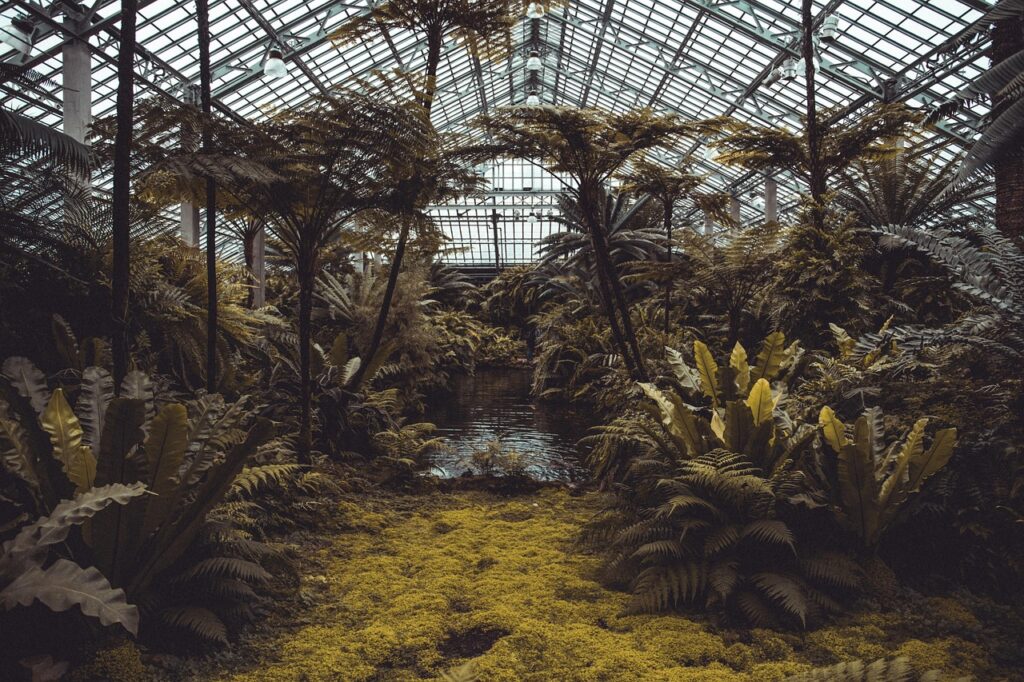
The garden showcases a wide variety of collections — alpine plants, Mediterranean sections, tropical greenhouses and themed collections. Paths wind between carefully arranged beds and naturalistic plantings. The tropical greenhouses offer a sensory journey: humid warmth, the sound of water and dense foliage, ideal on rainy days. The garden also has educational panels and a small documentation center for enthusiasts wanting to dig deeper.
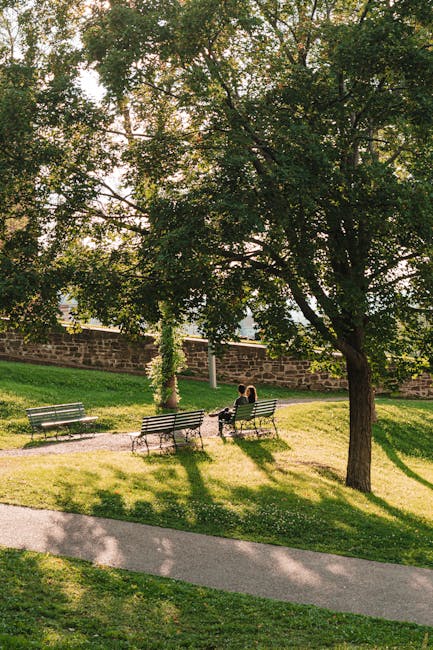
A few tram minutes from the botanical garden lie Parc de la Grange and Parc des Eaux-Vives, two large green spaces overlooking the lake’s eastern shore. Parc de la Grange — Address: Avenue William-Favre 7, 1207 Genève. Access: free. Hours: usually 06:00–22:00. The park is known for its open-air theatre (Festival de la Grange) and its lush rose gardens (several thousand roses that bloom spectacularly in summer). The shade of linden and plane trees creates cool spots perfect for a nap or reading.
Parc des Eaux-Vives — Address: Allée du Bout-du-Pont, 1207 Genève. Access: free. Hours: generally 06:00–22:00. This park stands out for its terraced slopes that drop toward the lake and offer views of the Jet d’Eau and the Alps in the distance. Its paths are a bit wilder and invite contemplative walks away from tourist routes.
Local tips: combine the Conservatory and Botanical Gardens with a walk down to Parc de la Grange and then to Eaux-Vives. Allow at least half a day to visit the greenhouses and stroll through the parks at a relaxed pace. Photographers will find the Parc de la Grange rose garden spectacular from June to September; arrive early to avoid crowds and catch the morning dew on the petals. For families, these parks have playgrounds and picnic areas, but bring a bag for trash — the City of Geneva enforces strict cleanliness rules.
Old Town inner courtyards, secret passages and practical tips for exploring
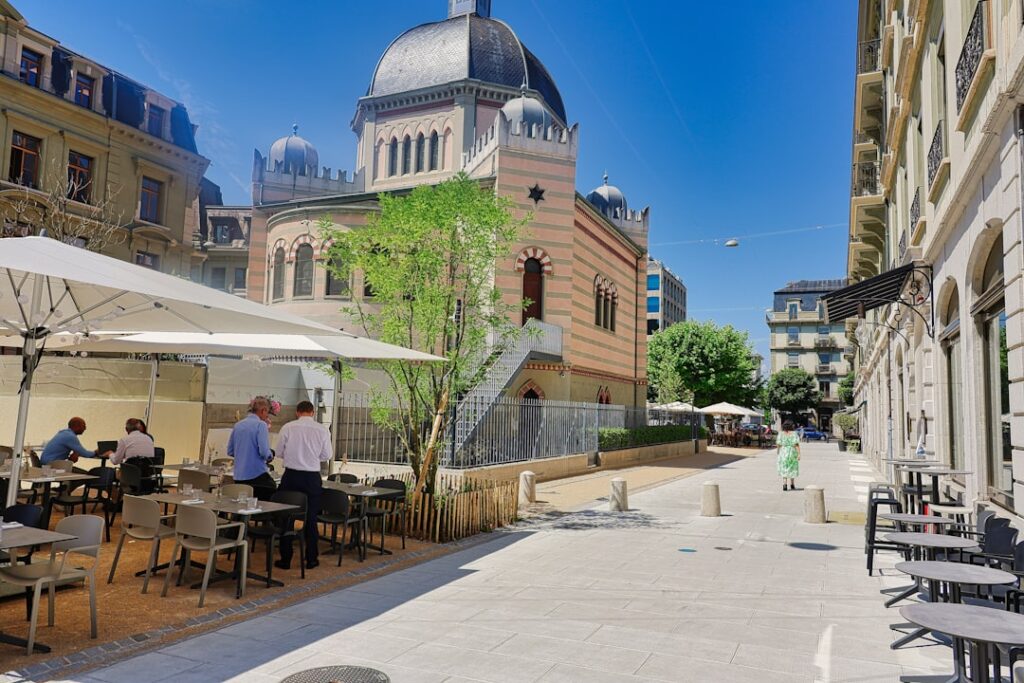
Beyond formal parks and gardens, Geneva is full of small inner courtyards and passages that reveal everyday life past and present. These spots are often hidden behind large carriage gates, accessible only on foot and discovered by chance or with a good map. Among the most accessible and notable are the arches and passages in the Bourg-de-Four neighborhood, the small patios by Saint-Pierre Cathedral (Cathédrale St-Pierre, Place du Bourg-de-Four, 1204 Genève) and a few townhouses whose courtyards can be seen from the street.
How to find them: walk slowly through the Old Town, read plaques and doorframes, and look for narrow numbered alleys. Tourist offices and some local bookshops offer themed maps titled “Courtyards and Passages” that will save you time. During European Heritage Days, several private courtyards open their doors to the public — an opportunity not to be missed if your trip coincides.
Respect and safety: many courtyards are private and maintained by homeowners associations or institutions; it’s important to respect the tranquillity of these places. Avoid making noise, don’t climb on architectural features, and ask permission if you want to photograph people or private spaces up close. Some courtyards host cafés or artist studios — in these cases, a small purchase is appreciated to thank the hosts for their hospitality.
Practical tips for visiting gardens and courtyards in Geneva:
- Transport: Geneva has an excellent tram and bus network (lines such as 12, 14, 15); most parks listed are easy to reach from Cornavin station or central points. Many visitors also receive a free transport card on arrival at certain hotels (TPG network).
- Opening hours: municipal parks are usually open from dawn to dusk; museums and greenhouses have fixed hours and may close early in winter (check before you go).
- Prices: most public gardens are free. Museums (e.g. Maison Tavel: about €5.00) and some temporary botanical garden exhibitions may charge admission.
- Food & drink: bring water and a snack; cafés near the gardens are convenient but often pricey (a sandwich or salad: €8–€15).
- Seasonality: spring–summer are the best months for blooms; autumn brings beautiful colors to the avenues, while winter offers a quieter, more contemplative atmosphere and different viewpoints.
Conclusion: how to fit these oases into your Geneva stay
Exploring Geneva’s hidden gardens and inner courtyards adds a more intimate, contemplative layer to discovering the city. Rather than focusing only on major attractions, spending time in these retreats will let you feel Geneva’s soul: its relationship to the lake, to greenery, to history and to urban life. Combine one or two parks (Jardin Anglais, Parc des Bastions) with a stroll in the Old Town and a visit to the Conservatory and Botanical Gardens followed by time in Parc de la Grange, and you’ll have a varied, balanced day of art, history, botany and calm.
Plan around the weather and your own rhythm: a cool morning in the botanical greenhouses, a light lunch near Jardin Anglais, then a historic walk through the Old Town and an afternoon under the trees in Parc de la Grange makes a pleasant itinerary. For photographers, sunrise and sunset provide exceptional light over the lake and gardens; for families, prioritize parks with playgrounds and lawns large enough for a picnic blanket.
Finally, pay attention to details: a commemorative plaque on a wall, an old window overlooking a courtyard, the smell of a rose garden after rain. These small things make Geneva’s gardens and courtyards rich. Respect local rules (cleanliness, smoking bans in some areas, opening hours) and stay curious — Geneva will give you much more than its institutional facades: it will reveal moments of softness and discovery in its best-kept corners.