





Introduction: One Day to Uncover the Secrets of Carouge
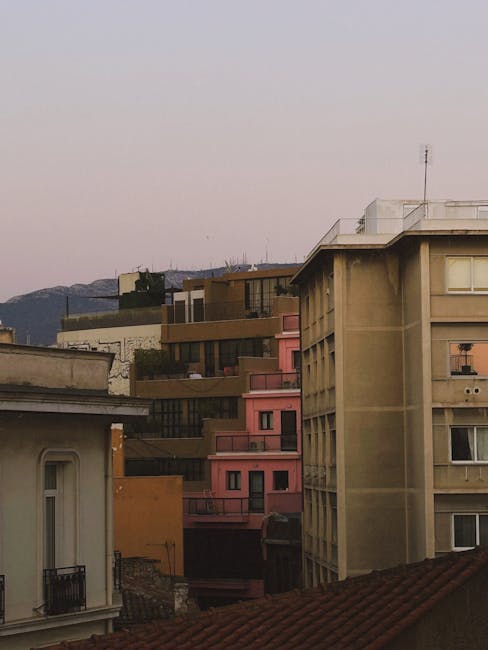
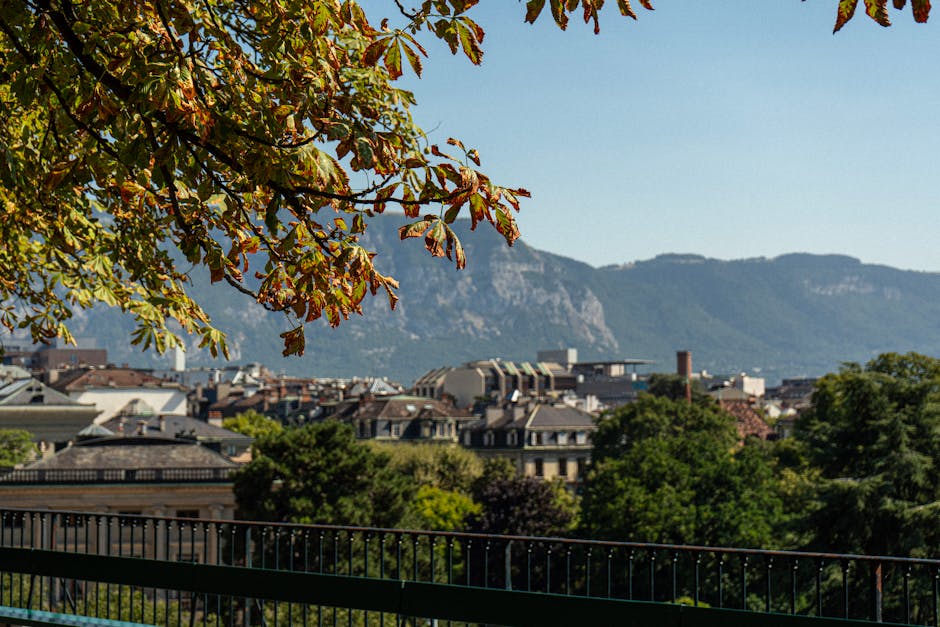
Carouge, often called Geneva’s “little bohemian” neighborhood, is a place where every stone tells a story — of Sardinian exile, thriving craftsmanship, and lively community life. Located southwest of Geneva’s city center along the Rhône, Carouge stands out with its low pastel facades, colorful shutters, shaded arcades, bustling squares and artisan workshops. With a curious mindset, a well-planned day lets you not only see the neighborhood’s highlights but also soak up the convivial atmosphere, sample the tasty spots and discover the cultural gems that give Carouge its character.
This guide is set up as a one-day walking (or public-transport-friendly) itinerary, with practical addresses, opening hours and price estimates shown in euros. The aim is an immersive experience: stroll through markets, visit an exhibition, lunch at a local brasserie, meet an artisan, stop for a café terrace moment, and finish the day with a show or an aperitif in a typical spot. Each step includes practical tips, sensory descriptions (sounds, smells, textures) and local hacks to tailor your day to your preferences.
The suggested route starts in the morning at the neighborhood’s heart, Place du Marché, to catch the fresh energy of the stalls and cafés opening up. The morning continues with a wander through the shopping lanes — Rue Saint-Joseph and Rue Jacques-Dalphin — where artisan shops and galleries set the pace. After a lunch break at a traditional brasserie or a modern cantine, spend the afternoon on cultural visits: the Théâtre de Carouge, a contemporary art gallery and, weather permitting, a walk along the Canal or through a city park to recharge. Finally, wrap up the day with an aperitif or dinner at a local brasserie and, for night owls, a concert or musical evening.
Practical info — exact addresses, opening hours, and price pointers in euros — are included so you can plan without surprises. Keep in mind Geneva uses the Swiss franc (CHF); euro prices here are rounded approximations for readability. Opening times, especially for craft shops and markets, can vary by season, so I recommend checking ahead for one-off events or temporary exhibitions. Scattered throughout you’ll find local tips: how to dodge the crowds, best times for photos, and ways to save on drinks or catch happy hours.
Morning: Strolling and Market Life at Place du Marché and the Historic Streets
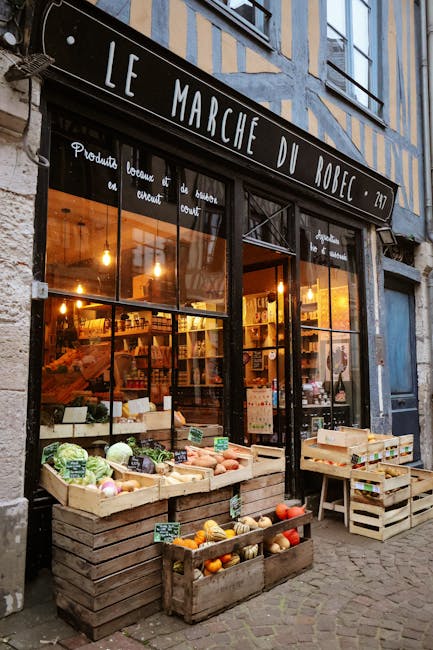
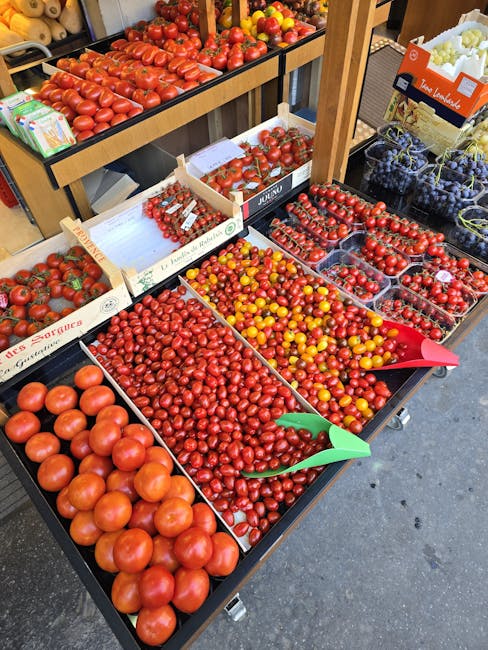
Start your day in Carouge’s lively core, Place du Marché (Place du Marché, 1227 Carouge, Geneva). It’s the perfect spot to catch the neighborhood’s soul first thing. The Place du Marché market is usually very active from Tuesday to Sunday in the early mornings: typically open 07:00–13:00 (indicative hours); some stalls stay open later into the morning. Approximate prices: terrace coffee €3.50–€4.50, croissant or pastry €2.50–€4.00. Stalls offer fruits, vegetables, local cheeses, artisan breads and flowers — the scent of warm bread mingled with fresh herbs is a real invitation to wander.
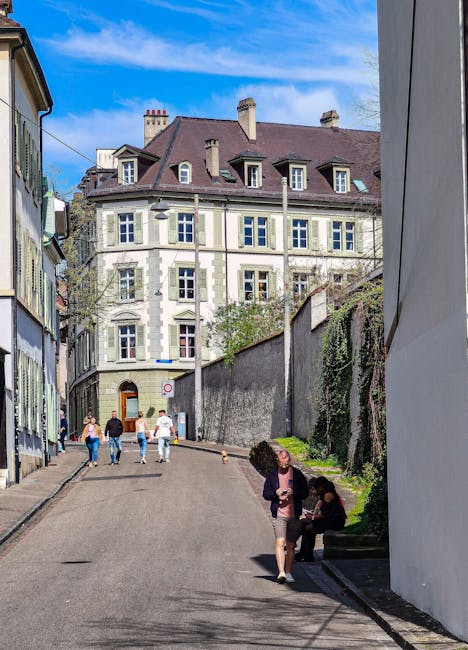
Then wander the adjacent streets like Rue Saint-Joseph (Rue Saint-Joseph, 1227 Carouge, Geneva) and Rue Jacques-Dalphin (Rue Jacques-Dalphin, 1227 Carouge, Geneva). These pedestrian lanes are full of artisan shops, leatherworkers, pottery studios and art galleries. You’ll meet family-run businesses spanning generations: handmade jewelers, brass workshops and fine fabric shops. The pastel facades, wrought-iron signs and low arcades are perfect for photos — aim for the morning light to capture warm tones and soft shadows.
On Place du Marché itself, stop at one of the classic cafés for coffee: for example, a popular terrace (indicative address: Café de la Place, Place du Marché 4, 1227 Carouge) where an espresso costs about €3.50 and a cappuccino €4.50. If you prefer a craft workshop, Rue Jacques-Dalphin hosts several studios open to the public, where artisans sometimes welcome impromptu visits. Leatherworking or pottery demos are often free; if you decide to buy a unique piece, expect prices from €25 to €150 depending on the object.
Local tips: arrive before 10:00 to beat the crowds, especially on Saturday mornings. Bring some small euro coins (1 or 2 €) but note most vendors favor card payments or Swiss francs. If the market offers local cheese, ask for a tasting before buying — stallholders are usually very welcoming and happy to share samples.
Midday: Savory Lunches and Local Specialties at Bistros and Restaurants
Lunch in Carouge is an experience in itself. The neighborhood is full of bistronomic restaurants, artisanal pizzerias and small canteens. For an authentic local experience, head to a brasserie or typical bistro near the main square. Practical example: Brasserie du Marché, Place du Marché 6, 1227 Carouge, Geneva. Hours: 11:30–14:30 for lunch; 18:00–22:30 for dinner. Dish of the day around €15.00–€22.00, à la carte mains €18.00–€35.00. Menus often feature reworked Swiss classics and Mediterranean dishes that reflect Carouge’s transalpine spirit.
If you prefer something lighter, opt for a hearty salad or a mezze plate at a contemporary cantine on Rue Saint-Joseph. Indicative address: La Cantine Carougeoise, Rue Saint-Joseph 10, 1227 Carouge, Geneva. Hours: 12:00–14:30. Prices: salads €10.00–€14.00, small plates €7.00–€12.00.
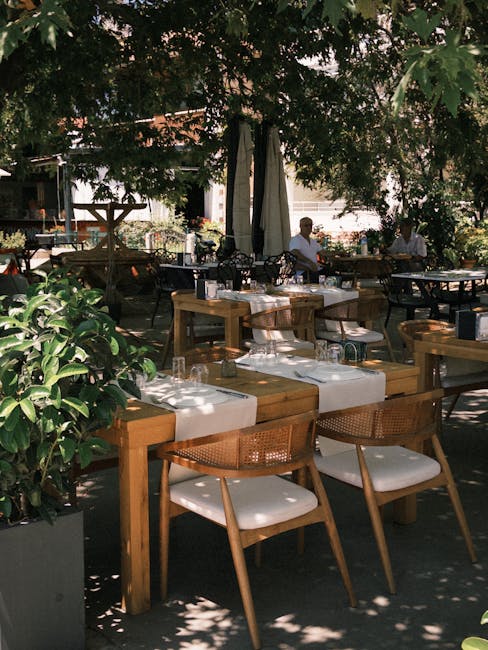
For pizza lovers, Carouge has spots where the dough is made in-house and ingredients are local: Pizzeria di Carouge, Rue Jacques-Dalphin 12, 1227 Carouge, Geneva. Hours: 12:00–14:30 and 18:00–22:30. Prices: pizzas €10.00–€18.00 — share a pizza with antipasti to sample more flavors. Many restaurants in Carouge have terraces shaded by parasols and awnings, great for people-watching while you enjoy a relaxed meal.
Ambience and tips: pick slightly off-peak hours (noon or 13:30) to avoid queues. Make reservations at the weekend as outdoor tables fill up fast. On a tight budget, look for the “dish of the day” which is usually good value (around €15.00). For a livelier lunch, pair your meal with a local glass of wine or a spritz: drinks typically €6.00–€9.00.
Afternoon: Artisan Workshops, Galleries and the Théâtre de Carouge
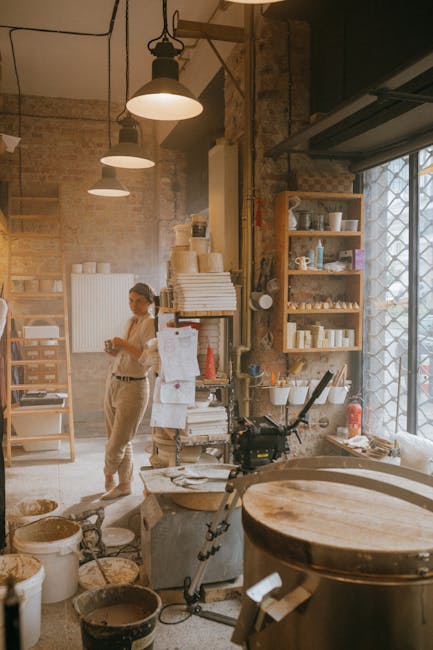
The afternoon is ideal for diving into Carouge’s artistic and cultural side. Start with visits to artisan workshops and galleries. Rue Jacques-Dalphin and the small side streets are home to shop-studios where potters, jewelers and cabinetmakers work in view of passersby. For example, the Carouge Ceramic Studio (indicative address: Atelier de Céramique, Rue Jacques-Dalphin 8, 1227 Carouge) often opens from 10:00 to 18:00; entry for a demo or a casual visit is usually free, and purchasable pieces range from €20.00 to €200.00 depending on size and complexity.
If you’re into contemporary art, pop into a local gallery on Rue du Marché: Galerie Carougeoise, Rue du Marché 3, 1227 Carouge, Geneva. Hours: 11:00–18:00, closed Mondays. Entry to temporary exhibitions is often free; some talks or openings may charge €5.00–€10.00. These spaces showcase local artists, contemporary photographers and inventive sculptures, with intimate displays that encourage conversation with the gallerists.
Don’t miss the Théâtre de Carouge to get a feel for the neighborhood’s cultural life. Address: Théâtre de Carouge, Place du Marché 2, 1227 Carouge, Geneva. Box office: usually open Tuesday–Friday 10:00–18:00 and 1h30 before performances. Sample prices: regular tickets €25.00–€45.00, reduced rates €12.00–€25.00. The theatre’s program is varied: contemporary plays, musical theatre and sometimes children’s shows. Even if you don’t plan to see a performance, take a walk around the façade and public space — the architecture balances sobriety and friendliness, and you might catch open rehearsals or public readings.
Practical activities: if there’s a craft demo scheduled, allow 30–45 minutes to interact and potentially buy an authentic souvenir. Photographers will find the late-afternoon golden hour perfect for elongated shadows around the arcades and facades. If you want to go deeper into the creative scene, look up participatory workshops (pottery classes, beginner jewelry sessions): short sessions €40.00–€80.00 depending on duration and included materials.
Evening: Aperitif, Dinner and Nightlife Rooted in Warmth
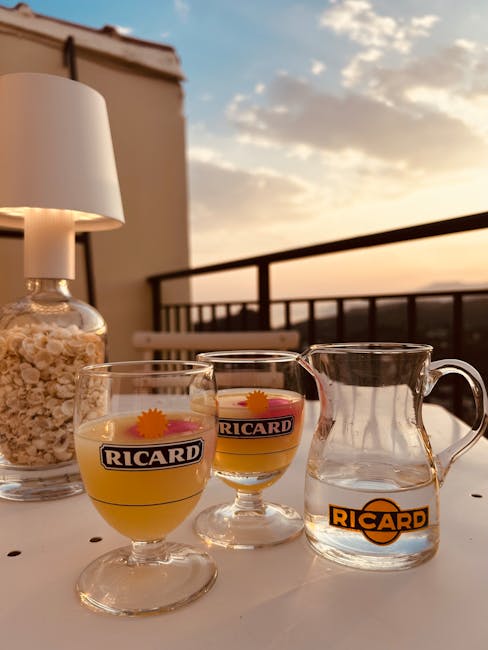
Evenings in Carouge are intimate and friendly. After a day of discovery, settle in for an aperitif on one of the squares or in a courtyard. A good starting point is the courtyard of a well-known brasserie (indicative address: Brasserie du Théâtre, Place du Marché 3, 1227 Carouge, Geneva) where cocktails and wines are typically €7.00–€12.00. As the sun sets, facades glow and the scene becomes cozy — perfect for conversation and people-watching among locals.
For dinner, Carouge offers varied menus: local cuisine, Mediterranean fare or fusion spots. Example for a fine dinner: Restaurant La Trattoria Carouge, Rue Saint-Joseph 14, 1227 Carouge, Geneva. Hours: 18:00–22:30. Prices: antipasti €8.00–€16.00, mains €18.00–€32.00, tasting menus €45.00–€75.00. If you prefer a more casual vibe, the small tapas and mezze places in the alleys offer shareable plates €6.00–€14.00 per dish, letting you sample many specialties at lower cost.
After dinner the cultural life keeps humming: acoustic concerts in local bars, jazz nights or small shows in intimate venues. Check the Théâtre de Carouge program or listings for bars and cafés on Rue Jacques-Dalphin; many concerts start around 20:30 or 21:00. Ticket prices for concerts generally run €10.00–€30.00 depending on the artist.
Evening tips: walk between venues — Carouge is compact and pleasant to stroll around at night. If you need public transport, Geneva’s trams and buses run in the evening but at lower frequency; a single ticket is about €3.00 (indicative). To get the best terrace seats, arrive early or reserve, especially on weekends. Keep some euro change for small purchases, but prefer card payments for meals and drinks.
Logistics, Step-by-Step Route and Local Hacks
To plan a productive day in Carouge you’ll want a few practical pointers. First, access: Carouge is easy to reach from central Geneva by tram (line 12 toward Carouge-Bachet) or by bus. From Cornavin station, count on a 15–20 minute tram ride. If you arrive by car, note parking can be limited — use nearby public parking lots (for example Parking Saint-Antoine, Rue Saint-Antoine, Geneva) and walk the last few hundred meters.
Tickets and payments: most attractions and shops accept cards; however, some markets or small stalls prefer cash for small purchases. Tipping isn’t mandatory in Switzerland since service is typically included, but leaving 5–10% for exceptional service is appreciated. Opening hours: shops often open at 10:00 and close around 18:00–19:00, sometimes with an afternoon break. Restaurants follow usual schedules: lunch 12:00–14:30, dinner 18:00–22:30.
Recommended step-by-step itinerary (approximate timing):
- 09:00–10:30: Market and coffee at Place du Marché.
- 10:30–12:00: Stroll and artisan shopping on Rue Saint-Joseph and Rue Jacques-Dalphin.
- 12:00–13:30: Lunch at a brasserie near the square.
- 13:30–15:30: Artisan workshops and an art gallery (including demonstrations).
- 15:30–17:00: Visit Théâtre de Carouge and enjoy a sweet break (ice cream or pastry).
- 17:00–19:00: Easy return, souvenir shopping and an aperitif on a terrace.
- 19:30–22:00: Dinner and evening cultural program (concert or show).
Pro tips: prioritize the morning for the market, the afternoon for open workshops and the golden hour for photos. If you’re traveling with kids, look for family-friendly workshops (children’s pottery, family theatre shows). To save money, pick a lunch “dish of the day” and share antipasti in the evening. Most importantly, chat with shopkeepers — Geneva and Carouge locals are proud of their neighborhood and love sharing the story behind their shops and creations.
Conclusion: Why Carouge Deserves a Whole Day — and More
Carouge is more than just another Geneva neighborhood: it’s a cultural microcosm where history, craftsmanship and conviviality meet. One well-planned day will let you taste the essentials — the market, shops, workshops, theatre and food scene — but the area invites repeat visits: light changes with the seasons, pop-up events bring fresh exhibitions and market schedules shift. In a day you’ll gather vivid impressions: pastel facades in morning light, the smell of fresh bread, the clink of artisan tools, terrace conversations and the theatre program that livens up the evenings.
This guide offered a detailed roadmap with addresses, hours and price markers in euros to ease your visit. Remember, the best way to uncover Carouge’s secrets is to stay curious: leave a few hours unplanned, step into a shop that catches your eye, talk to an artisan and follow the neighborhood’s sounds and scents. Those unexpected discoveries — a fleeting exhibition, a niche market, a tasting — are often the most memorable.
Final tip: if you fall for Carouge’s vibe, come back during a local event (fair, street festival, gallery opening) to experience the neighborhood at its most festive. If you’re in Geneva for a short stay, combine a day in Carouge with half a day in the city center (Jet d’Eau, Old Town) or a lakeside escape on Lake Geneva to mix the atmospheres. In short, Carouge delivers a concentrated dose of urban authenticity: take your time, savor each stop and let this little bohemian quarter reveal its secrets one by one.