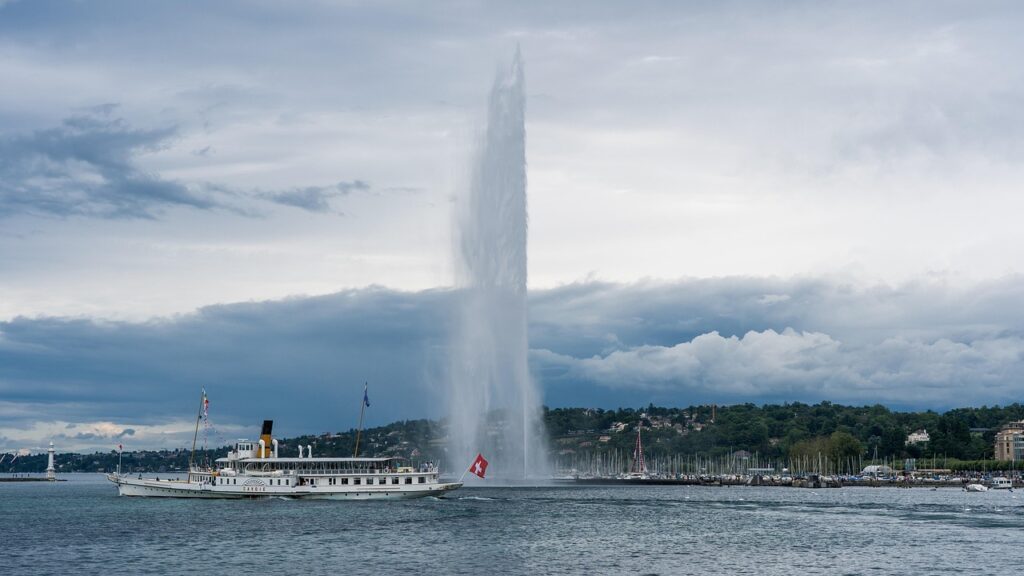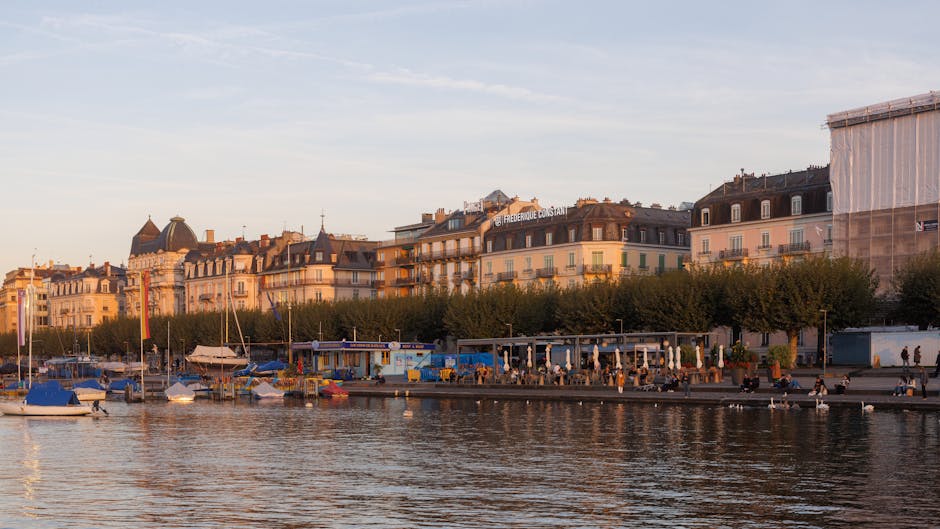






Introduction — Tourist traps around Lake Geneva: why this guide matters
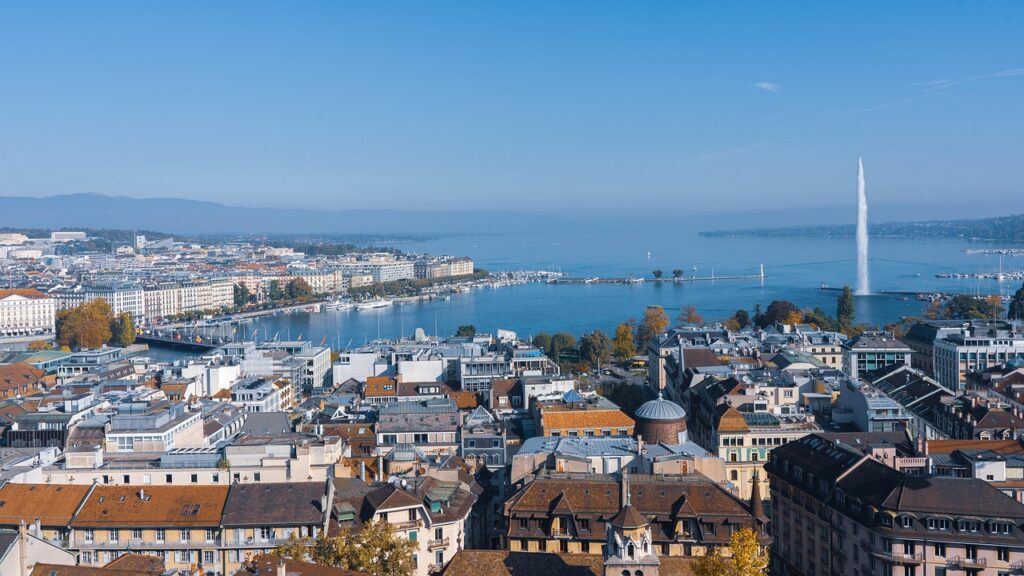
Lake Geneva, with its sparkling waters, manicured shores and alpine vistas, draws millions of visitors every year. Geneva, sitting at the lake’s western tip, is often the gateway for day trips to Montreux, Lausanne, Yvoire or Château de Chillon. But that popularity also fuels a crowded tourism market where genuine local experiences mix with misleading offers. The so-called “great deals” that aren’t really great are everywhere: boat trips that cut corners, tourist restaurants with inflated bills, unqualified guides charging high rates, or chocolate shops advertising “unbeatable” prices while selling low-quality products.
This guide, focused on Geneva and its immediate surroundings, is designed to help travelers tell authentic experiences from manufactured ones. It’s for those who want to enjoy Lake Geneva without falling for marketing tricks. Inside you’ll find specific addresses, practical tips to check a service’s quality, price benchmarks in euros (to make comparisons easier), typical schedules and immersive descriptions so you can judge for yourself. We also include concrete examples of well-known spots to illustrate common traps — for instance Geneva’s heavily touristed quays, some cruise operators who jack up prices, or paid and overcrowded “photo spots” that actually detract from the experience.
The purpose isn’t to discourage visits to popular places — far from it. The goal is to give you tools to recognize when a business, activity or deal doesn’t deliver what it promises. You’ll learn how to spot signs of good value: transparent pricing, trustworthy reviews (not just star ratings with no comments), clearly labeled menus, and reliable opening hours. Finally, we offer more authentic and often cheaper alternatives: local markets, walks along the Quai du Mont-Blanc, picnics in public parks, and efficient public transport like the TPG (Transports Publics Genevois) and the Compagnie Générale de Navigation (CGN).
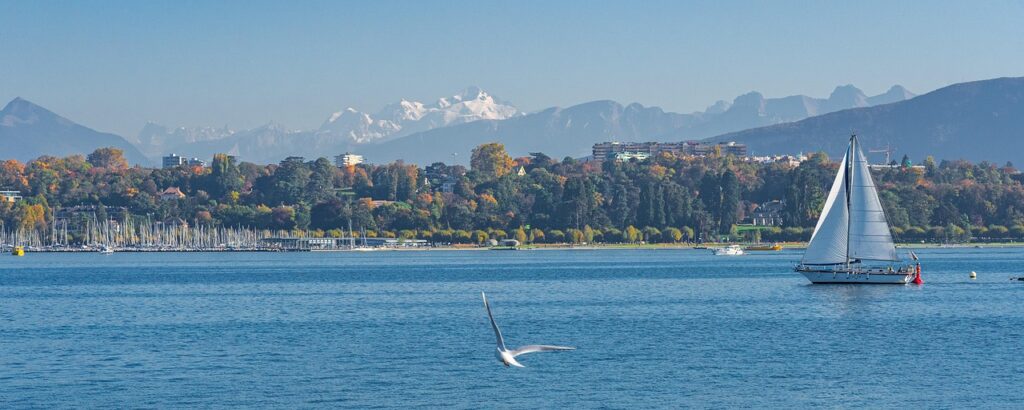
1) Overhyped “panoramic” cruises — how to tell a real lake cruise from a rip-off
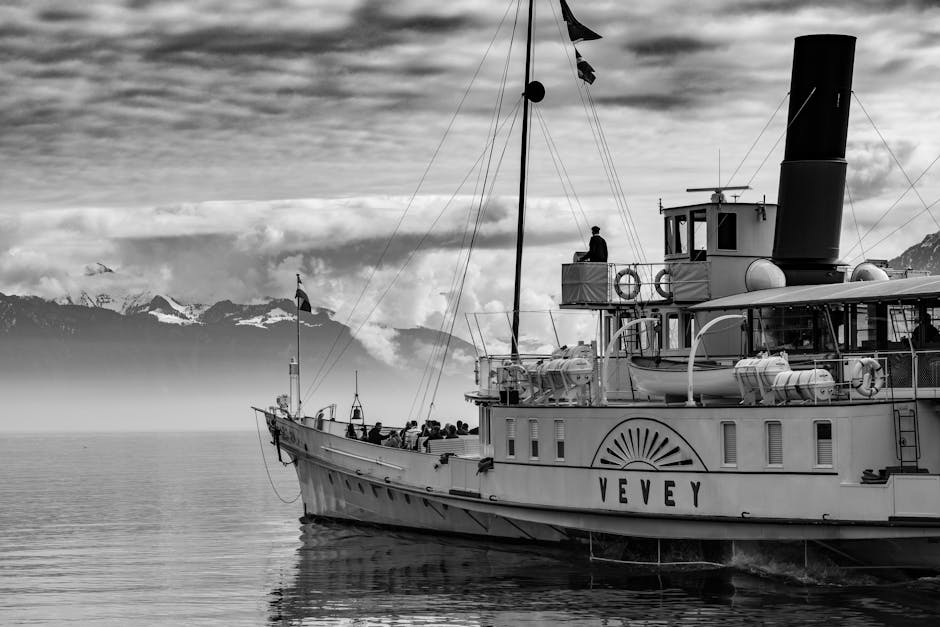
Several operators market themselves as specialists of Lake Geneva and advertise “panoramic” cruises from Geneva. The most common trap is the promise of a full-circuit lake tour with commentary, when in fact it’s a limited return trip with no narration or only a very basic audio guide. The Compagnie Générale de Navigation on Lake Geneva (CGN) is the official operator: CGN, Quai du Mont-Blanc 6, 1201 Genève. CGN cruises range from €25 to €70 depending on distance and season; for example, a one-way Geneva–Montreux cruise costs about €38 (indicative) and takes 3–4 hours. Typical departures are in the morning between 09:00 and 11:00, with returns between 16:00 and 18:00 depending on the season. Always check the official site cgn.ch for current schedules and fares.
Warning signs: operators not affiliated with any authority and without a clearly identified ticket office on the quay; street sellers offering “skip-the-line” tickets at marked-up prices (typically +20 to +50%); vague descriptions of duration and itinerary; or no information about life-saving equipment and boat capacity. For a more authentic experience, buy a CGN ticket or use a small licensed local boat, and avoid offers promising “secret stops” or “private beaches” — these terms are often used to justify overpriced tickets with no real added value.
- Useful address: CGN, Quai du Mont-Blanc 6, 1201 Genève — ticket office open 09:00–18:00 (high season).
- Indicative prices: €25 to €70 depending on the route (check CGN site).
- Local tip: buy your ticket online and pick a seat on the mountain side for the best views of the Alps.
2) Lakeside “view” restaurants — how to avoid paying a fortune for a mediocre meal
The lakefront attracts venues that sell the view as the main product. In Geneva, restaurants around Quai du Mont-Blanc, the English Garden (Jardin Anglais) and Place du Molard often charge inflated prices. For example, a simple main course at a very touristy brasserie can run between €30 and €45, sometimes more, without culinary quality to match. One central spot to be aware of is Café du Centre, Rue du Marché 18, 1204 Genève, a classic known for seafood but also criticized for high prices: mains between €28 and €48, open 10:00–23:00. Likewise, restaurants along the lakeside promenade sometimes display “view” menus where surcharges aren’t made clear.
How to spot the trap? Look at the menu before you sit down: prices should be clearly displayed, with taxes and service separated if applicable. A menu only in English and servers pushing you directly to window seats are signs of tourist-targeting. Favor spots recommended by local guides or food markets. The Bains des Pâquis (Quai du Mont-Blanc 30, 1201 Genève) is a great alternative: daily dishes around €12–€18, kiosk hours 06:00–23:00 depending on season, and an authentic lakeside atmosphere.
- Address to sometimes avoid: very touristy restaurants along Quai du Mont-Blanc — check detailed reviews (recent photos).
- Alternative: Bains des Pâquis, Quai du Mont-Blanc 30, 1201 Genève — daily dish €12–€18, accessible and local.
- Local tip: to save money, order simple specialties (salads, open-faced sandwiches) and skip the “view” menu if the price isn’t justified.
3) Souvenir shops and tourist chocolate stores — separating marketing from real quality
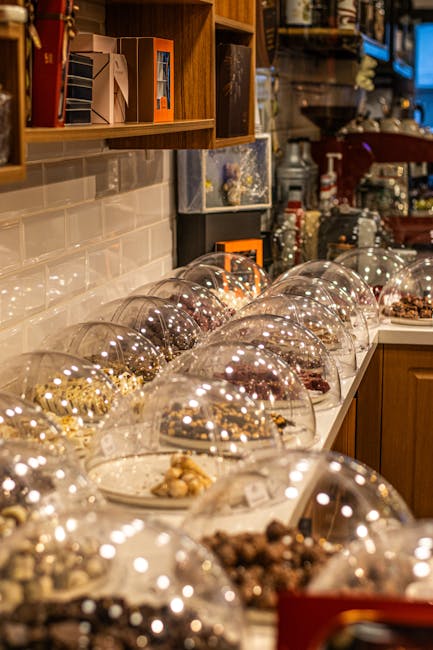
Switzerland equals chocolate in many travelers’ minds, and Geneva has its share of tempting shops along Rue du Rhône, Place du Molard or Rue du Marché. But not every shop sells artisanal products. Some downtown stores sell “typical” boxes at high prices (€30–€60 for a basic box) that often contain industrial or imported chocolates. A shopping area to be mindful of is Rue du Rhône 1204 Genève: attractive window displays but variable quality. For authentic purchases, look for chocolatiers who produce on-site and clearly state the cocoa origin and cocoa percentage (e.g. 70%).
Warning signs: ultra-touristy packaging with no ingredient list, no production date, rounded prices (e.g. €29.90) and salespeople pressuring immediate purchases by claiming scarcity. Prefer well-established, transparent names such as Auer Chocolatier, Rue du Marché 22, 1204 Genève (hours vary, usually 09:00–18:30), or Favarger, Rue du Marché 11, 1204 Genève — historic brands that typically display production information. Compare prices and check the label: 100 g of good artisanal chocolate usually costs between €5 and €12.
- Shop to check: Favarger, Rue du Marché 11, 1204 Genève — generally open 09:00–18:00.
- Indicative prices: tourist boxes €30–€60; artisan bars €5–€12 /100 g.
- Local tip: buy at local markets (Plainpalais market on certain days) for more authentic and often cheaper products.
4) “Free” walking tours and unofficial guides — how to judge real value
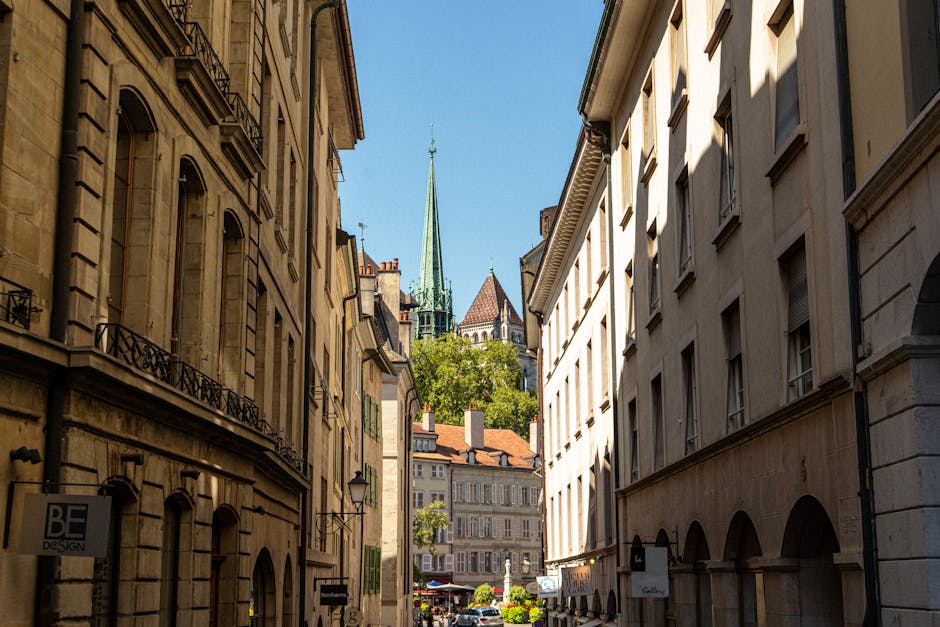
Free walking tours have popped up in many cities, Geneva included. While attractive in theory, some are actually thinly veiled sales pitches: an uncertified guide leads you into partner shops where you’re expected to spend, or the group is steered toward paid activities. Legitimate free tours (usually tip-based) can be excellent, but you need to recognize the differences. Look for guides affiliated with reputable organizations, Facebook/TripAdvisor pages with detailed reviews, and clear descriptions of the route (duration 1.5–2h, areas covered: Old Town, Quai du Mont-Blanc, Parc des Bastions).
Common abuses include walks that finish in a chocolate shop where the guide earns a commission, or tours offering “exclusive discounts” in partner stores — the discounts are often tiny and mainly serve to push purchases. Paid tours led by certified guides (fees €15–€30 per person) usually provide better value: sourced historical information, access to places closed to the public, and smaller group sizes. To verify, ask the guide for their certification number or affiliation with Geneva’s tourist office (Geneva Tourism, Rue du Mont-Blanc 18, 1201 Genève).
- Useful address: Geneva Tourism, Rue du Mont-Blanc 18, 1201 Genève — office open 09:00–18:00 (seasonal).
- Indicative prices: free tours on a tip basis; certified tours €15–€30 / person.
- Local tip: prefer small groups and ask the exact duration and content of the tour before booking.
Conclusion — Protect your Lake Geneva experience
Lake Geneva offers unforgettable scenery, activities and cuisine, but Geneva’s tourist appeal inevitably attracts questionable commercial practices. This guide has given you practical markers to identify fake deals: check pricing transparency, the reputation of operators (CGN for cruises, established names for food and chocolate), ask for guide certification, and avoid offers that seem too good to be true on the quay or in hyper-touristy areas. Prices listed in euros are indicative; Switzerland’s currency is the Swiss franc, and payment methods and conversion fees can affect the final cost, so always double-check how you’ll be charged.
Practical tips to wrap up: use official tourist offices (Geneva Tourism, Rue du Mont-Blanc 18) to book safely, buy online from reputable operators to avoid quay-side scams, and keep in mind cheaper, equally memorable local alternatives (Bains des Pâquis for an authentic vibe, local markets for food, short CGN cruises instead of dubious promotional tours). Finally, a savvy traveler brings a bit of curiosity: read multiple recent reviews, ask for details about the itinerary and inclusions, and don’t give in to pressure from a pushy seller.
By following these tips you’ll get the most out of Lake Geneva, Geneva’s cultural riches and alpine views, without letting marketing schemes dictate your experience. Have a great trip, and feel free to return to this guide to check an offer before you buy.