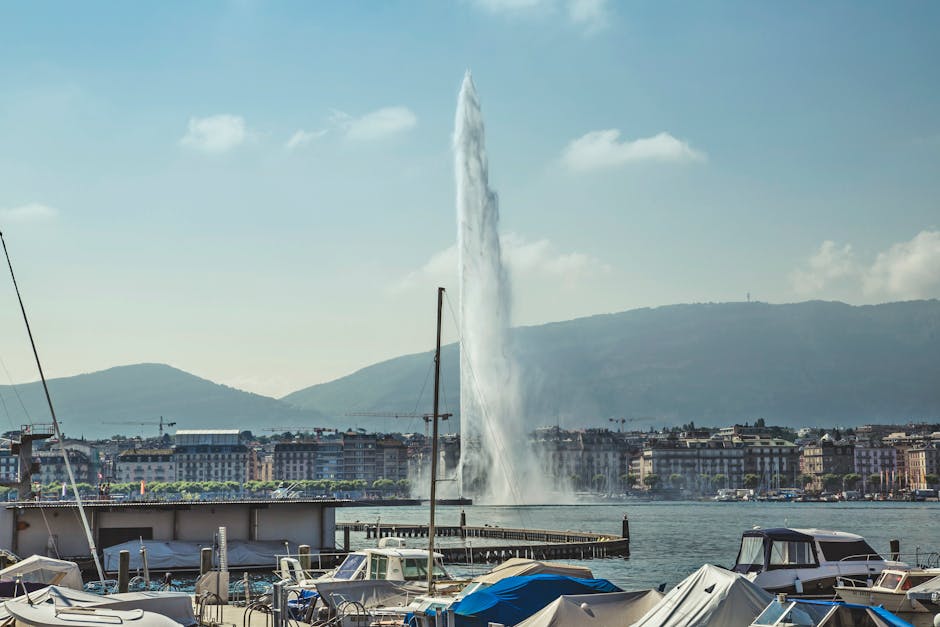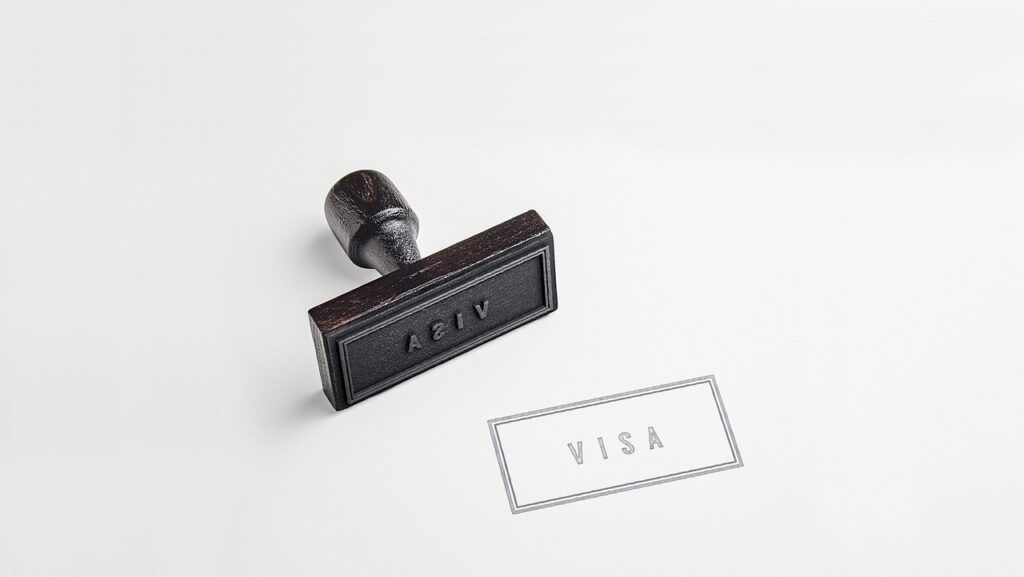






Introduction — Why this guide to getting a Schengen visa for Geneva
Visiting Geneva means stepping into a place where the shores of Lake Geneva, the Old Town, international organizations and alpine scenery meet a strict attention to administrative detail. If you come from a country that requires a Schengen visa, the process can feel daunting: forms, appointments, proof of accommodation and evidence of financial means. This practical guide gives you a clear, ready-to-use roadmap to obtain a short-stay Schengen visa when Geneva is your main destination. It focuses on the administrative and logistical reality: where to submit your application, exactly which documents to prepare, how much it costs in euros, how long to wait, and what to do after you arrive in the canton of Geneva.
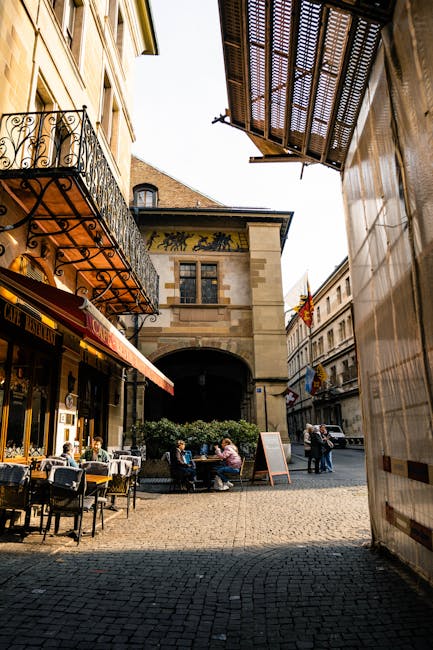
We’ve organised this guide into 7 numbered, standalone steps — just as the title promises — each containing concrete actions to take, usable checklists, addresses and opening hours for contact points in Geneva and across Switzerland, plus local tips to avoid common delays. You’ll also find visual markers 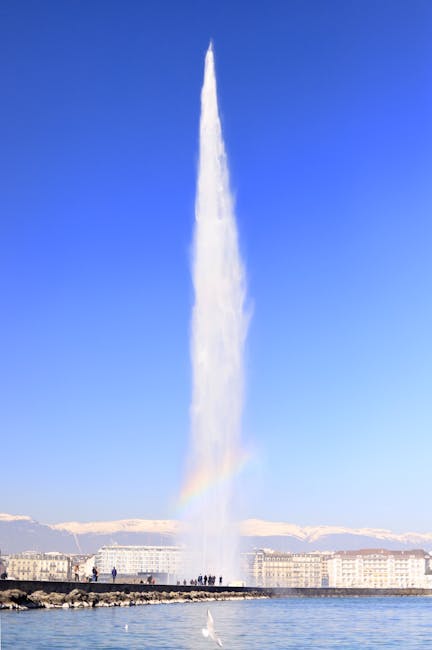 to help you orient yourself visually and better plan your movements (for example airport arrival, a lake visit, or where to go for application submission).
Important: this guide assumes you’re applying for a short-stay Schengen visa (Type C) for tourism, family visit or business, with Geneva as your primary destination. If your purpose is long-term stay (work, studies, family reunification) the process is different (canton residence permit) and is not covered here. Fees and processing times are accurate at time of writing: standard visa fee 80 euros for adults (Schengen rate), plus extra service fees for application centres (usually €25–40 depending on provider). Official processing time is generally 15 calendar days, but it’s wise to submit your file 6–8 weeks before travel and, at minimum, 15 days prior.
This guide includes precise addresses for arrival and procedural steps in Geneva (for example Geneva International Airport), practical opening hours, mentally-downloadable checklists and helpful local tips (transport from the airport, contact for the cantonal police, where to have documents certified if required). The approach is 100% practical: print the checklist, tick each box, and follow the steps in order to maximise your chances of a smooth, timely decision.
Step 1 — Determine the right visa type and where to submit your application
First things first: check whether you need a Schengen visa to enter Switzerland. If you’re a national of a country subject to visa requirements, you must apply for a short-stay Schengen visa (Type C) for tourism, family visit or business. If Geneva is your main destination (more than 50% of your stay or your primary business reason), you must submit your application to the Swiss diplomatic representation responsible for your country of residence.
- Where to submit: Typically at the Swiss embassy or consulate in your country, or at an outsourced application centre (e.g. VFS Global) authorised to handle Swiss visas. VFS centres charge an extra service fee (see Step 3 for amounts).
- Identify the competent representation: check the official page of the Swiss representation for your country on the State Secretariat for Migration (SEM) website or on the Swiss Federal Department of Foreign Affairs site.
- If you can’t find a Swiss representation: some countries are represented by other Schengen embassies. Verify carefully the notice on the local Swiss representation website.
Concrete examples (to help you orient yourself):
- Geneva International Airport (GVA) — Arrival point: Route de l’Aéroport 21, 1215 Geneva, Switzerland. Border control and customs operate 24/7 in the arrivals hall.
- State Secretariat for Migration (SEM) — federal authority (for general information): Quellenweg 6, 3003 Bern, Switzerland — general office hours 08:00–12:00 / 13:30–17:00 (weekdays). Check the official site before you travel.
Actionable checklist for Step 1:
- Confirm whether you need a Schengen visa for Switzerland.
- Identify the Swiss representation responsible in your country (embassy/consulate or VFS centre).
- Note the exact address and opening hours of the submission centre.
- Schedule an appointment (often mandatory) via the representation or VFS website.
Step 2 — Gather the mandatory documents (detailed checklist)
The key to a strong application is preparation. Here’s the exhaustive checklist you can use immediately. All documents must be presented as originals plus copies (unless stated otherwise), and some may need to be in French, English or German depending on the representation.
- Schengen visa application form: completed, dated and signed. Downloadable from the embassy/consulate website.
- ID photograph: 2 recent photos 35 x 45 mm, neutral background, head clearly visible. Follow ICAO standards.
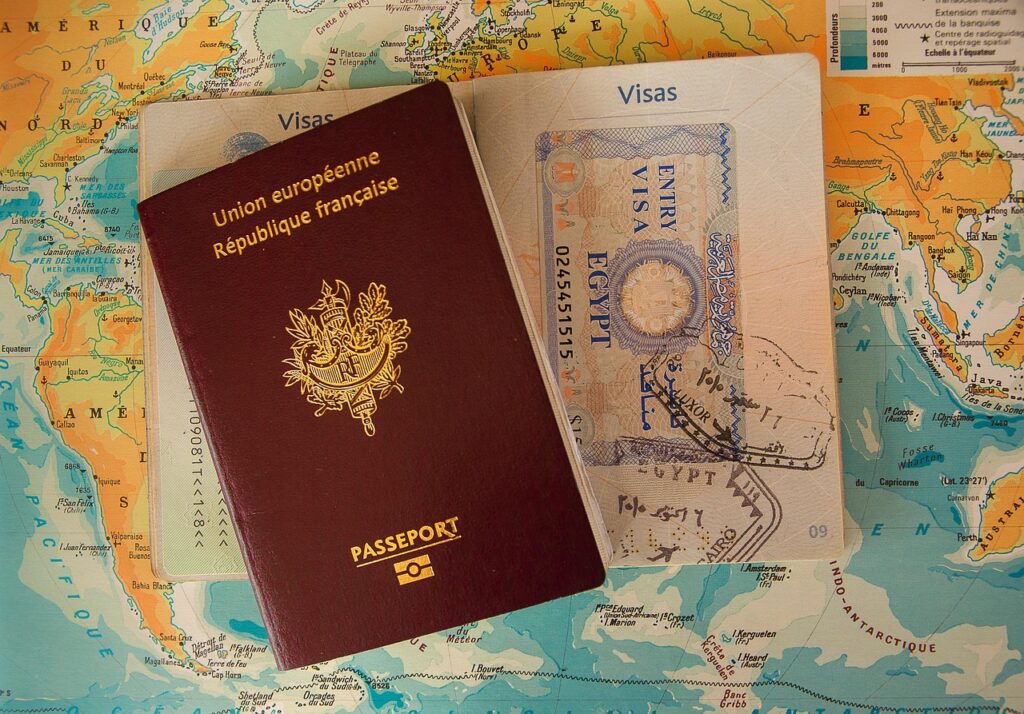
- Passport: original valid for at least 3 months after the planned departure from the Schengen area, with at least 2 blank pages. Include copies of the identification page and previous visas.
- Proof of accommodation in Geneva: confirmed hotel reservation (e.g. Hotel d’Angleterre, Quai du Mont-Blanc 17, 1201 Geneva — attach confirmation if you choose this hotel), rental agreement, or a host’s invitation certificate officially legalised by the municipal authorities if staying with a private host.
- Travel itinerary: printed return tickets (airline, times). Example: Geneva (GVA) arrival 10:15, departure 20:00.
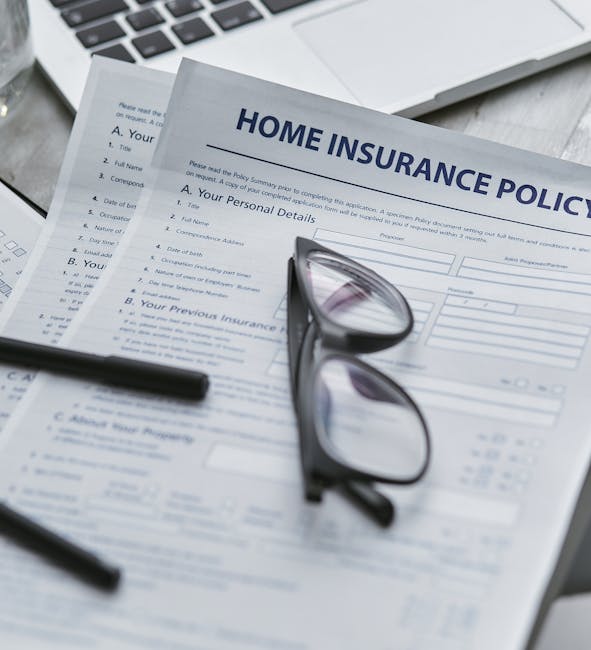
- Schengen travel insurance: policy covering at least €30,000 for emergency medical treatment and repatriation, valid for the entire period and territory of the Schengen area. Include policy number, coverage dates and insurer contact details.
- Proof of financial means: recent bank statements for 3 months, pay slips (last 3 months), employer letter, or credit card. Indicative amount expected: around €100 per day (varies by representation).
- Invitation letter or business purpose: if visiting family, provide an attestation of hosting; if for business, include a letter from the Swiss company (name, address: e.g. United Nations Office at Geneva, Palais des Nations, 1211 Geneva 10 — attach the invitation), stating length and purpose of stay.
- Proof of payment of fees: receipt for visa fee and centre fees (see Step 3).
Practical tips:
- Prepare copies on A4 paper, laminate if requested, and organize them in the order of the form.
- Fill in the form with black ink and avoid crossing out.
- Bank statements must show your full name exactly as on the passport.
Step 3 — Book the appointment and pay the fees (amounts and hours)
Most embassies and VFS centres require a mandatory appointment to submit your application and collect biometric data (fingerprints). Here’s how to do it efficiently, with amounts in euros and typical opening hours.
- Book an appointment: Make an appointment via the official Swiss embassy/consulate website or the external provider’s portal (e.g. VFS). Search “Swiss visa appointment [your country]”. Slots are typically available Monday to Friday, 08:30–15:30, but vary by centre.
- Visa fees (standard Schengen rate): adult (12 years and older) = €80; child (6–11 years) = €40; children under 6 = free. Payment in cash or card depending on the centre. Some representations require local currency.
- Application centre fees (typical VFS): between €25 and €40 depending on services (appointment handling, biometric registration, extra services). Indicative example: €29 VFS fee + €80 visa fee = total €109.
- Optional extra fees: registered return postage for passport (around €10–20), on-site photo service (€5–15), translation or legalisation services if needed.
Practical hours and rules:
- Arrive 10–15 minutes before your scheduled slot. Late arrival can lead to appointment cancellation.
- Documents to bring on appointment day: appointment confirmation printout, all originals and copies, and payment for fees (confirm accepted payment methods on the centre’s website).
- Biometrics: fingerprints and a photo are taken on site (mandatory for adult short-stay visa applications).
Typical procedure example:
- Book online via your country’s VFS website (slot Monday 09:00).
- Pay VFS fees online or at the counter (€29).
- Pay the €80 visa fee at the embassy or centre (according to local rules).
- Attend the appointment, submit the file and provide biometric data.
Step 4 — Track your application, timings and what to do if it’s refused
After submission, actively tracking the application is essential. Submit early and know what to do if processing takes longer than expected or if the decision is negative.
- Standard processing time: generally 15 calendar days from date of submission. This can be extended to 30 or 60 days depending on complexity or additional checks.
- How to track: most VFS centres provide an online tracking number to check status (e.g. “submitted”, “under process”, “decision made”). The embassy may also send email or SMS updates.
- Additional document requests: if asked for further information, respond within the given timeframe (usually 7–14 days). Supplying missing documents quickly prevents significant delays.
What to do in case of delays:
- Contact the VFS centre first (phone and email on the receipt) — quote your file number.
- If there’s no answer, contact the Swiss representation (embassy/consulate) by official email; keep written records of all correspondence.
- In genuine emergencies (medical reasons, funerals, critical business travel), request expedited handling at submission with supporting evidence; acceptance is discretionary but sometimes granted.
In case of refusal:
- You’ll receive a written notice explaining the refusal reasons. Common reasons include incomplete documents, insufficient financial means, inconsistencies in itinerary, or non-compliant insurance.
- Appeal: the administrative appeal procedure is described in the refusal letter. You can generally appeal through the Swiss representation or file a challenge with the competent Swiss authorities (e.g. State Secretariat for Migration — SEM in certain cases). Deadlines for appeal vary, typically 30 days.
- Re-application: in most cases you can submit a new application after correcting the flagged issues. Provide additional evidence (bank statements, proof of employment, a more detailed invitation).
Step 5 — Prepare arrival in Geneva: customs, insurance and accommodation
Before you travel, make sure all your documents are in order to cross the border into Geneva and review practical arrival information for Geneva International Airport (GVA) or your selected border crossing.
- At the airport (GVA): Address: Route de l’Aéroport 21, 1215 Geneva-Cointrin, Switzerland. Arrivals hall open 24/7; border control and customs are in the arrival area.
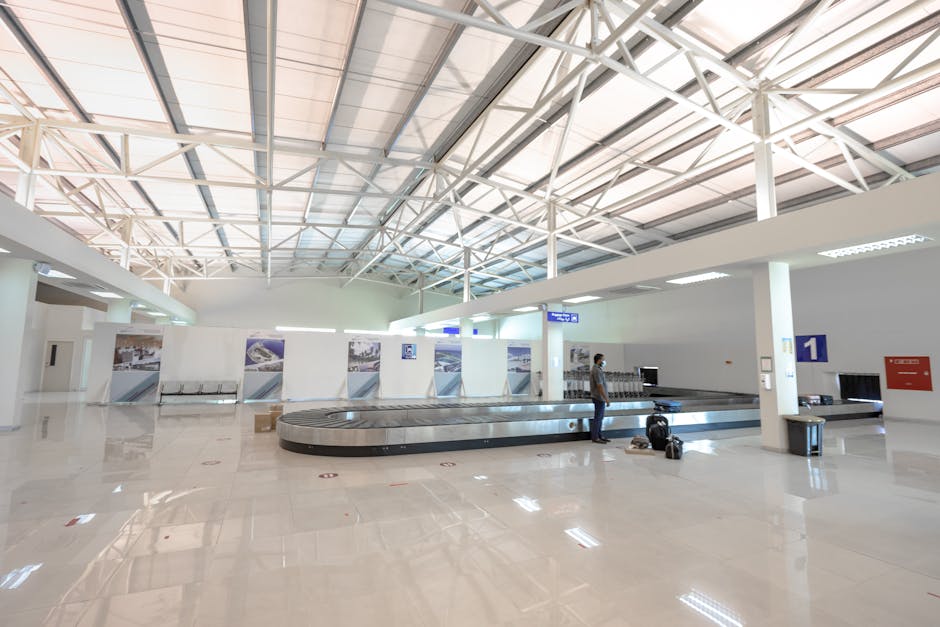
- Documents to present at control: passport with Schengen visa, hotel reservation/attestation of accommodation, return ticket, proof of funds and travel insurance (policy or certificate). Keep printed copies handy.
- Health insurance: carry the policy number and the insurance document (PDF or paper). Emergency healthcare in Switzerland can be expensive without proper coverage.
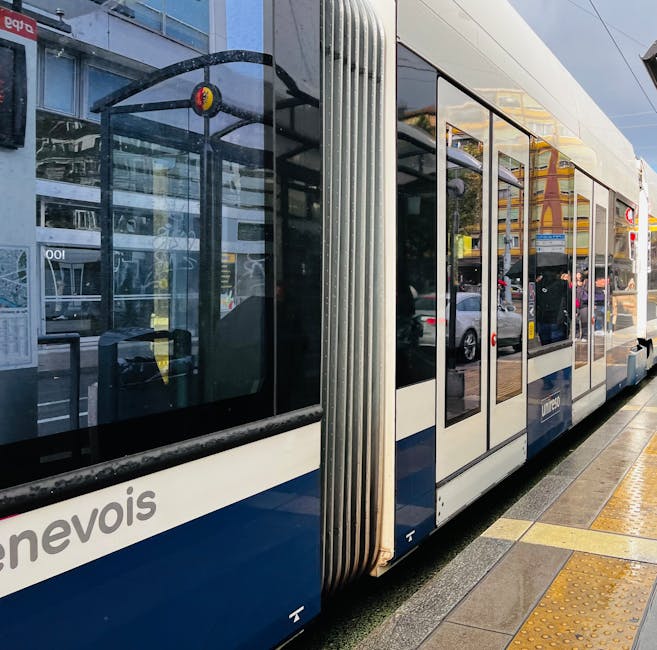
- Transport from the airport: The direct train from Geneva Airport to the city station takes 7 minutes; typical fare: €3–4 depending on the ticket machine (check local currency). Taxis operate 24/7 — approximate fare to the city centre: €40–60. Private shuttles should be booked in advance.
Accommodation and local registration:
- If staying in a hotel: keep the booking confirmation showing the full address and payment status.
- If hosted by a Geneva resident: ensure your host has an officially legalised attestation of accommodation issued by the municipality (e.g. “Attestation d’hébergement”).
- If your stay exceeds 90 days, you must register with the cantonal authorities for a residence permit — this goes beyond the scope of a short-stay Schengen visa.
Step 6 — Conduct during your stay and random checks
Once in Geneva, complying with stay rules and keeping all proof of your trip will make future Schengen trips easier. Here are precise points to pay attention to while you’re in Geneva:
- Keep your documents: retain your passport with the visa, accommodation confirmations, transport tickets, and proof of payments (hotel receipts, card statements) for the entire stay.
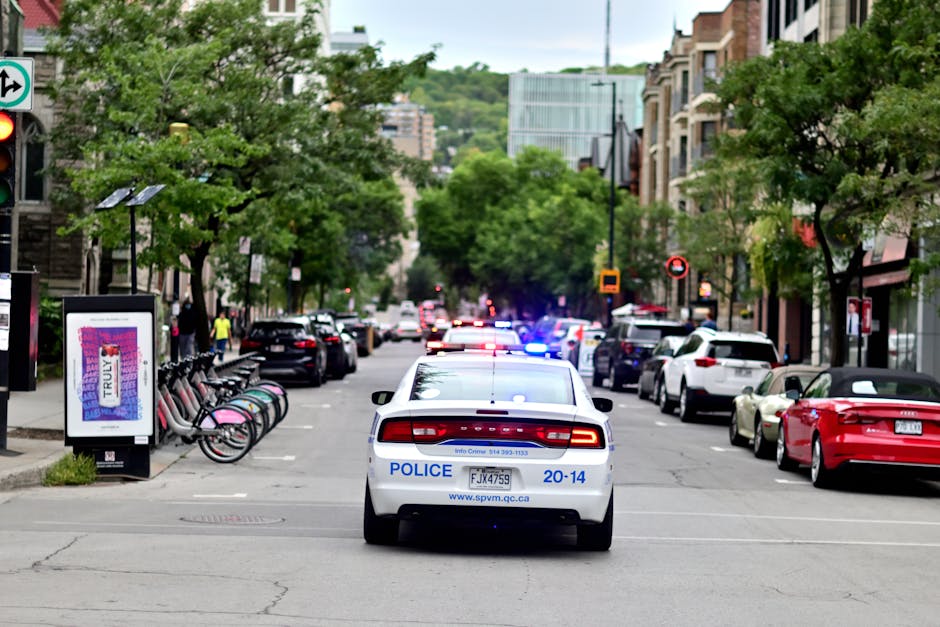
- Random checks: police may perform identity checks. In Switzerland, the cantonal police of Geneva (Police cantonale genevoise, Boulevard Carl-Vogt 14, 1211 Geneva) may ask to see your documents. Cooperate and present your papers.
- Respect the visa duration: never overstay the authorised validity (total number of days). Overstaying can lead to fines, entry bans and difficulties with future visa applications.
- Allowed activities: tourism, family visits and business meetings are permitted. If you intend to work, teach or study, you must obtain the appropriate permit beforehand or on site as applicable — do not commence those activities without authorization.
Useful local tips:
- Consider a Swiss Travel Pass (if relevant) for train journeys and discounts; buy it before your trip if you plan excursions outside Geneva.
- If you lose your passport: contact your embassy/consulate immediately to obtain an emergency travel document and notify local police. Your embassy or consulate might be based in Geneva, Bern or Zurich depending on your country.
Step 7 — Returning home and the impact on future visa applications
Your conduct during your trip to Geneva and strict adherence to your visa conditions greatly affect your chances for future visas. Here’s how to optimise your return and keep a solid administrative record.
- Keep all receipts: hotel invoices, transport tickets, bank statements showing local spending. Retain them for at least one year; authorities may request proof of past compliant stays.
- Exit stamps: if you received a manual exit stamp at some border points, keep that page. For most international flights from Geneva, exit is recorded electronically; however, a paper proof can still be useful.
- Assess the file: if your visa was approved without incident, use the same preparation for future applications: the same set of documents plus evidence of prior compliant trips.
- Problems encountered: if you were issued a non-compliance note or a remark during a control, request a written copy and keep it for your records. If penalised, follow the official instructions provided by the authority that carried out the control.
Tips for your next application:
- Showing consistent departures and returns strengthens authorities’ confidence.
- Maintaining good relations with your bank and clear statements helps demonstrate stable financial means.
- If you plan frequent Schengen trips, consider applying for a long-term multiple-entry visa once you have several compliant trips documented in your travel history.

Conclusion — Concrete recap and immediate action plan
Getting a Schengen visa for Geneva is a sequence of clear, repeatable and verifiable steps. To recap: 1) determine the competent representation and book an appointment; 2) gather the listed documents (application form, passport, photos, insurance, proof of accommodation, financial means) as originals and copies; 3) pay the fees (€80 adult visa + centre fees ~€25–40) and attend your appointment for biometrics; 4) track the application via the centre or embassy, respond quickly to any additional requests and allow about 15 calendar days on average; 5) once approved, prepare your arrival in Geneva: airport (Route de l’Aéroport 21, 1215 Geneva), insurance and transport; 6) strictly respect the visa duration and conditions while in Switzerland; 7) keep all receipts and supporting documents for future applications.
Immediate action plan (final printable checklist):
- Check visa requirement for your nationality.
- Identify the responsible Swiss representation and book an appointment.
- Download and complete the official form, print two copies.
- Get ICAO-compliant photos (2 copies).
- Book and print accommodation confirmation in Geneva.
- Purchase Schengen travel insurance covering €30,000 (print policy).
- Prepare last 3 months of bank statements and pay slips, employer letter where relevant.
- Pay €80 visa fee + centre fee (~€25–40), and confirm acceptable payment methods.
- Attend the appointment with all originals and copies, arrive 15 minutes early.
- Keep the receipt, track the application and collect your passport once notified.
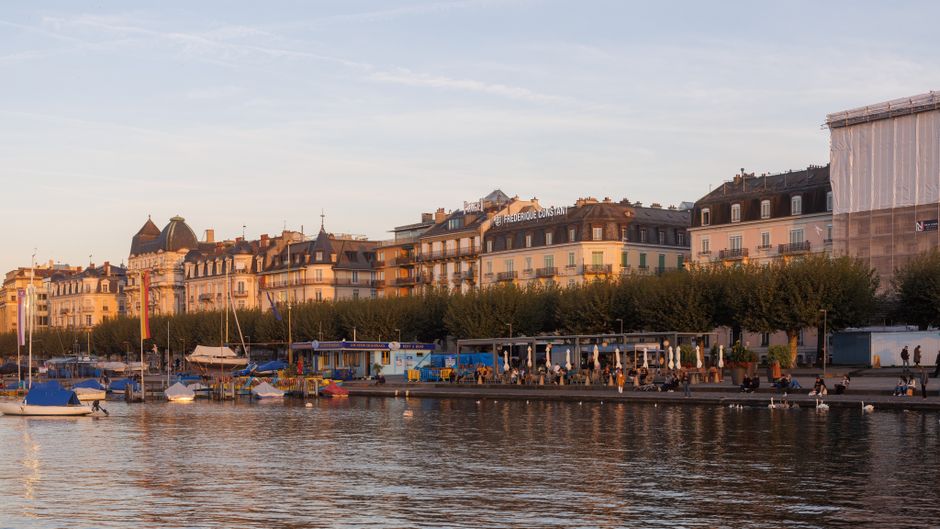
By following these numbered steps and using the provided checklists, you maximise your chances of quickly obtaining a Schengen visa for a stay in Geneva. For specific situations (urgent requests, medical reasons, administrative disputes), contact your local Swiss representation or your national consulate for personalised assistance. Have a great trip to Geneva — enjoy Lake Geneva, the Jet d’Eau and the historic streets with peace of mind, knowing you’ve prepared your stay properly.