





Introduction — Why this guide is essential before visiting the Jet d’Eau and Geneva’s Old Town
Showing up in Geneva without a little planning can cost you time, money and, sometimes, a big chunk of the experience you were hoping for. The Jet d’Eau and the Old Town are two of the city’s most iconic attractions. The Jet d’Eau shoots 140 metres into the air from the tip of the lakefront, and the Old Town, with its cobbled alleys, historic squares and museums, draws millions of visitors every year. Yet despite their apparent accessibility, there are common mistakes—even experienced travelers make—that can turn a promising morning into frustration, or a romantic stroll into crowds and needless expenses.
This practical guide, written in an informative and professional style, lists ten concrete mistakes to avoid around the Jet d’Eau and in Geneva’s Old Town. It doesn’t just point out pitfalls: for each mistake you’ll find clear explanations, recommended alternatives, exact addresses, typical opening times and price estimates shown in euros to make comparisons with other European cities easier. Whether you’re short on time, traveling with family, an amateur photographer or a history buff, these immersive tips will help you streamline your trip and make the most of Geneva’s best-known spots.
We cover concrete topics: how to avoid the worst places to photograph the Jet d’Eau, timing mistakes when visiting St. Pierre Cathedral (Cathédrale Saint-Pierre, Place du Bourg-de-Four 24, 1204 Genève), what to know about ticketing at the main museums, where to eat without getting ripped off, how to navigate the Old Town without getting lost in its alleys, and how to choose panoramic views off the beaten path. You’ll also find practical tips on transport, safety, time management and understanding prices and opening hours — essential information for a trip without surprises.
Finally, this guide includes visual markers  to help you picture the places and plan your shots, along with precise recommendations like the address for Bains des Pâquis (Bains des Pâquis, Quai du Mont-Blanc 30, 1201 Genève), museums (Musée d’Art et d’Histoire, Rue Charles-Galland 2, 1206 Genève), and other points of interest. Hours and prices are indicative and can change with the season — always check official sites before you go. Ready to avoid the most common mistakes and get the best out of Geneva? Here are the ten traps to know…
1. Mistake #1 — Showing up at the Jet d’Eau at the wrong time
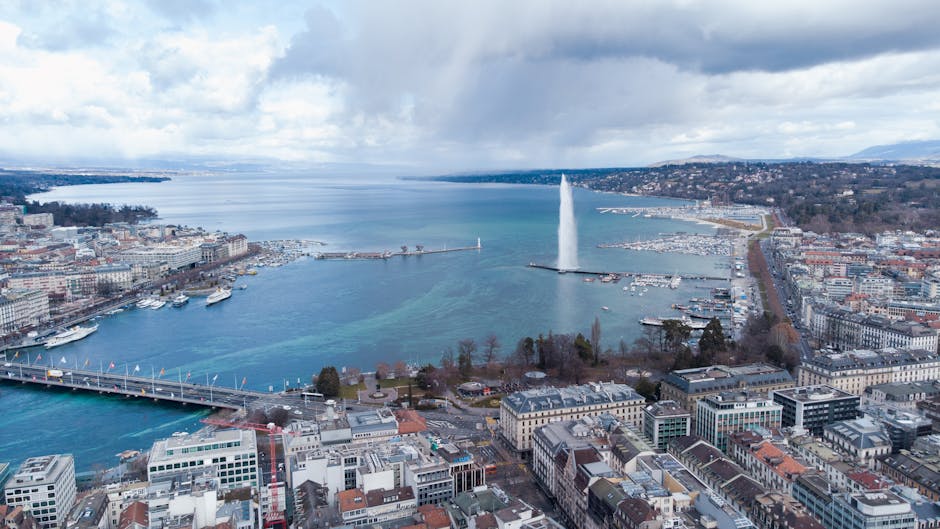
One of the most common mistakes is arriving at the Jet d’Eau in the middle of the day, when the sun is high and the light is harsh for photography. The Jet d’Eau (Quai Gustave-Ador / Quai du Mont-Blanc, 1207 Genève) is always impressive, but it presents very different looks depending on the hour: sunrise for soft tones, late afternoon for golden light, and evening for the illuminated display. If you want crisp photos and reflections on Lake Geneva, prioritize dawn (before 08:00 in summer) or dusk (after 20:30 in summer).
Another trap is the weather. The Jet d’Eau is sometimes switched off by maintenance for safety in strong winds. Check the forecast and local information boards before planning a long photo session. Boat traffic and tourist vessels passing in front of the jetty can also ruin a stationary composition if you’re waiting at the wrong moment.
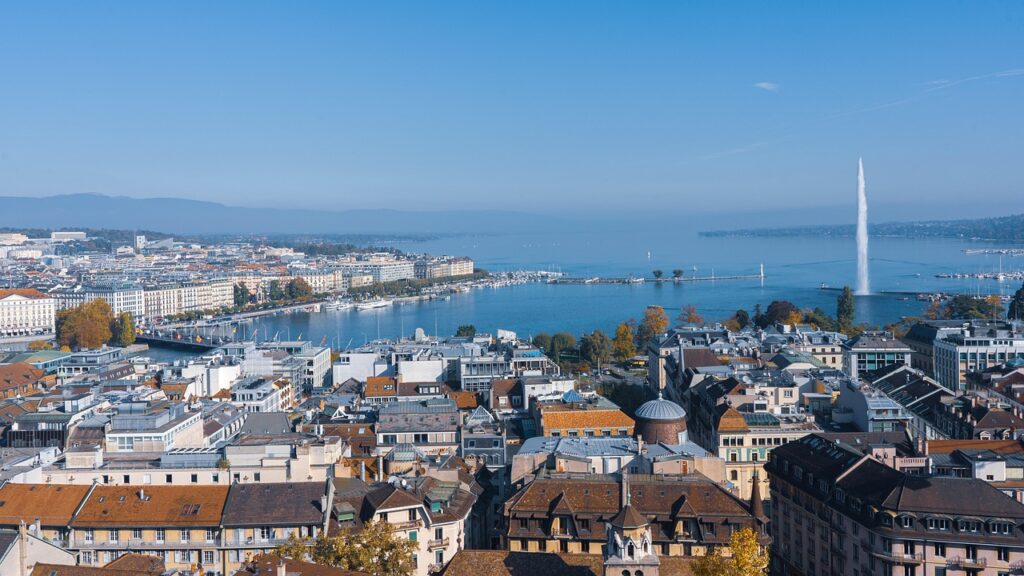
Local tips: set yourself up on the promenade along Quai Gustave-Ador or on the opposite bank near the English Garden (Promenade du Lac, Quai Gustave-Ador, 1207 Genève) for different perspectives. The viewpoint from the Pont du Mont-Blanc (Pont du Mont-Blanc, 1201 Genève) is excellent to frame the Jet d’Eau with the Salève massif in the background. For a less crowded option, walk toward the Pointe de la Jonction for a wilder lakeside view. The squares and promenades are public and free; lake access is generally open 24/7 (subject to local conditions).
2. Mistake #2 — Thinking the Old Town can be seen in two hours
Geneva’s Old Town isn’t just a single street lined with shops. It’s a historic maze (Vieille Ville de Genève, 1204 Genève) made up of squares like Place du Bourg-de-Four (Place du Bourg-de-Four, 1204 Genève), monuments, churches, museums and hidden viewpoints. Underestimating the time needed usually leads to a superficial experience: you pass through, snap a picture and leave. To really soak up the atmosphere, plan at least a half-day and ideally a full day if you want to visit several museums and climb St. Pierre Cathedral’s tower.
Recommended visits: St. Pierre Cathedral (Cathédrale Saint-Pierre, Place du Bourg-de-Four 24, 1204 Genève) and its viewing platform (expect around €6–8 — indicative — and a climb of roughly 150 steps), Maison Tavel (Maison Tavel, Rue du Puits-Saint-Pierre 6, 1204 Genève) for urban history (entry approx. €4–6), and nearby museums like the Musée d’Art et d’Histoire (Musée d’Art et d’Histoire, Rue Charles-Galland 2, 1206 Genève) if you’re willing to walk or take a short tram ride. Opening hours vary: the Cathedral is often open from 10:00 to 18:00 in high season, Maison Tavel 10:00–17:00 (indicative). Always check official pages for exact times.
Practical tips: schedule coffee breaks in quieter spots like Rue du Vieux-Collège or around Place du Bourg-de-Four. Avoid main meals on Place du Bourg-de-Four if you’re on a tight budget — tourist cafés and restaurants often charge hefty markups (mains often €18–30). Instead, look for bistros on adjacent streets for better value.
3. Mistake #3 — Taking all restaurant prices near attractions at face value
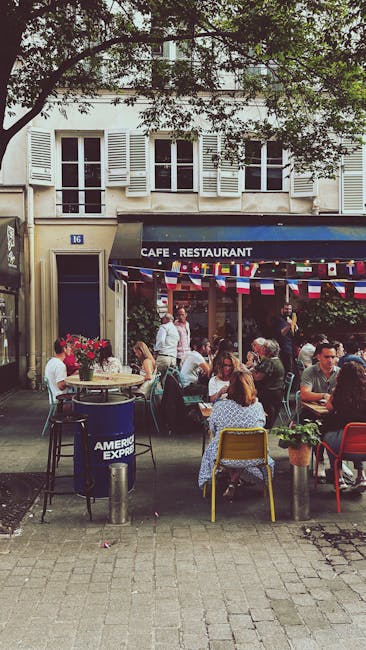
Proximity often means a tourist premium. Around the Jet d’Eau and the Old Town many restaurants and cafés target hurried tourists. That usually means pricier menus, sometimes disappointing portions and impersonal service. For example, a main course on a lakeside terrace can easily hit €25–40 per person (indicative). On Place du Bourg-de-Four and Grand-Rue (Grand-Rue, 1204 Genève) expect prices above Geneva’s average.
How to save without sacrificing quality: move 2–4 streets away from the main sights. Rue du Vieux-Collège and Rue de la Croix-d’Or often host more authentic bistros and cafés with dishes around €12–20. Markets and food stalls like those at Bains des Pâquis (Bains des Pâquis, Quai du Mont-Blanc 30, 1201 Genève) also offer very reasonable options: a raclette or fondue at a stall can cost €15–25 depending on the season. Artisan bakeries in the Old Town sell sandwiches and pastries for €3–8 depending on the range.
Local tip: check whether the menu shows prices in CHF — card payments may convert to euros with fees. Prefer paying in Swiss francs (CHF) if you have local cash to avoid unexpected conversion charges. The simplest trick: ask the waiter for the daily special (often €12–18) and look for a lunch menu — typically the best-value option.
4. Mistake #4 — Overlooking ticketing and reservations for museums and guided tours
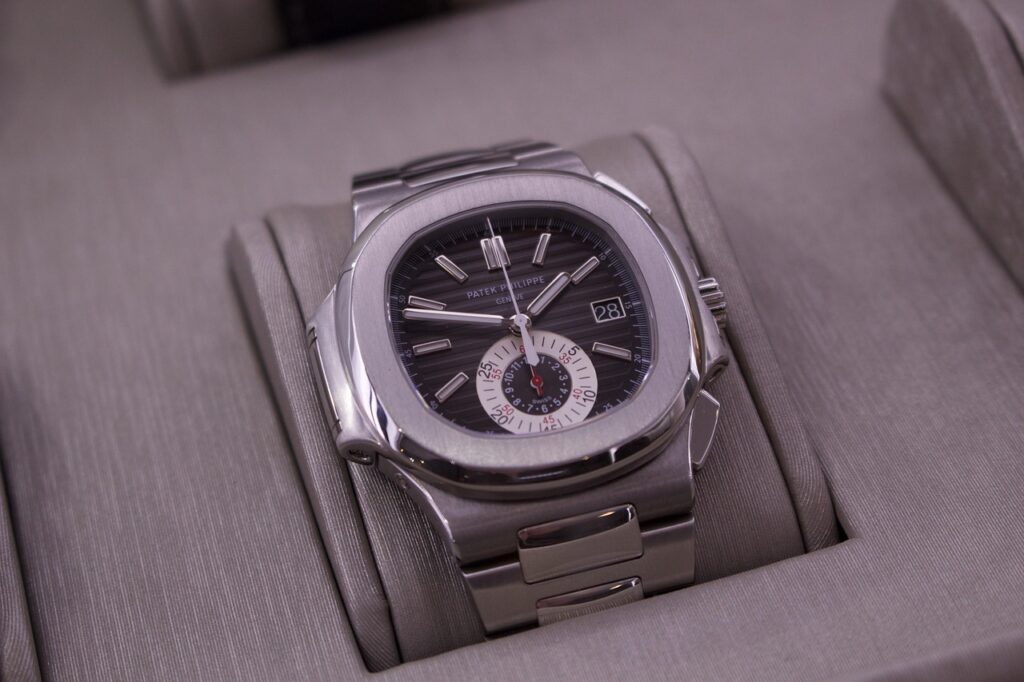
Many visitors assume Geneva’s museums are always easy to access by buying tickets on-site. However, popular sites like the Musée d’Art et d’Histoire (Rue Charles-Galland 2, 1206 Genève) and the Patek Philippe Museum (Musée Patek Philippe, Rue des Vieux-Grenadiers 7, 1205 Genève) can get very busy, especially in high season and on weekends. Highly demanded temporary exhibitions may require advance booking and you could face queues if you show up without tickets. Entry fees vary: permanent entry at Musée d’Art et d’Histoire around €6–12, Patek Philippe Museum around €12–18 (indicative in euros).
Advice: book ahead on official websites. Many museums offer timed entry slots (for example 10:00–12:00, 12:00–14:00, etc.) and online bookings may include a small service fee. If you plan to visit several museums, look into regional tourist passes (Geneva Pass or Geneva Transport Card) which sometimes include discounts or combined access at preferential prices.
Another tip: plan your climb of St. Pierre Cathedral outside service times — free exploration may be limited during ceremonies. Guided tours in English or French run at certain times (often morning and late afternoon) and typically cost €6–12 per person depending on duration and content (indicative). If you’re a professional photographer planning a shoot in a busy public site, check local permissions to avoid fines or refusal of access.
5. Mistake #5 — Relying only on tourist signs and ignoring the little streets
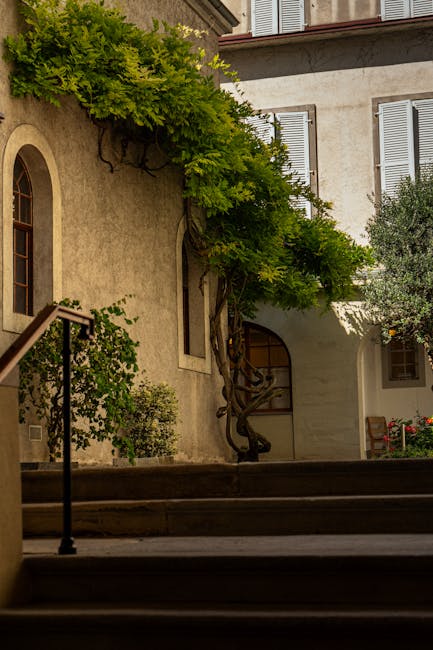
Tourist signs point to safe, convenient routes, but they often take you down the busiest arteries. The Old Town is full of passages, stairways, inner courtyards and viewpoints that don’t appear on standard routes. If you follow signs exclusively you’ll miss hidden treasures: medieval courtyards, artisanal shops, chocolatiers and intimate cafés.
Exploration tip: start from main streets like Grand-Rue (Grand-Rue, 1204 Genève) and let yourself drift into alleys such as Rue de la Corraterie or Rue du Puits-Saint-Pierre. Maison Tavel (Rue du Puits-Saint-Pierre 6, 1204 Genève) is an excellent starting point to learn the city’s history and spot secondary lanes. These detours are usually free and guarantee authentic discoveries with no extra cost.
Practical advice: wear good shoes (cobblestones and steps), carry an offline map or GPS app with downloaded maps (signal can be spotty in narrow alleys) and allow 1–2 extra hours for wandering. Avoid entering private courtyards without permission, but know that many charming spots are public and worth lingering over.
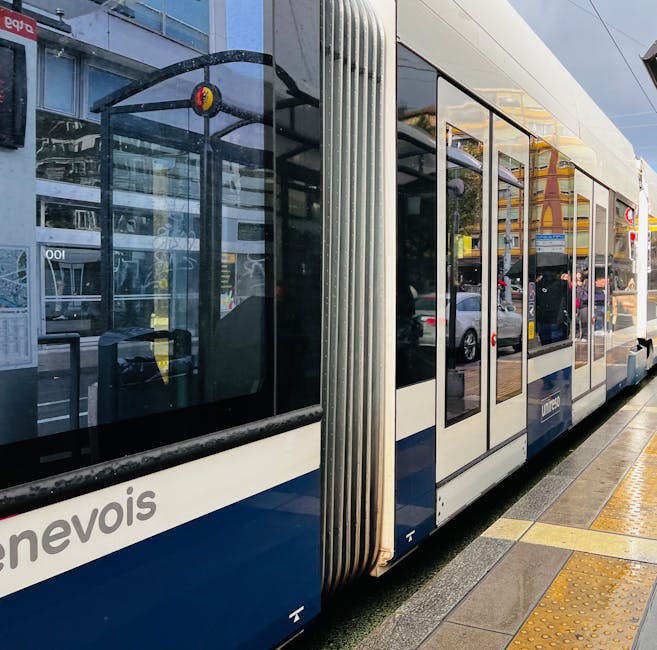
6. Mistake #6 — Underestimating travel times and the importance of the tram network
Geneva has a dense public transport network (trams, buses, trains) run by Transports Publics Genevois (TPG). Travel between Gare Cornavin (Gare Cornavin, Place Cornavin, 1201 Genève), the Jet d’Eau and the Old Town is fast, but underestimating walking times between stops and sites can wreck a tight itinerary. For example, from Gare Cornavin to Place du Bourg-de-Four by tram or on foot expect about 15–25 minutes depending on route and pedestrian traffic.
Practical tips: use tram lines 12 and 15 to reach Quai du Mont-Blanc and get off at the « Mont-Blanc » stop. For the Old Town the « Molard » stop (Place du Molard, 1204 Genève) is central. A single-zone ticket (approx. €3–4 for 60–90 minutes at standard fare; indicative) often covers multiple transfers. Machines and apps accept cards and cash; keep your ticket for inspections. Typical tram hours: roughly 05:00–00:30 on weekdays, with limited night services on weekends (indicative).
Insider tip: if you arrive on an international train (e.g. from Lyon or Paris), check whether your hotel provides a free Geneva Transport Card for the duration of your stay (if the hotel participates) — it covers public transport and can be cheaper than buying single tickets. Also avoid peak hours (08:00–09:30 and 17:00–18:30) when travelling with large suitcases: trams and platforms can be very crowded.
7. Mistake #7 — Forgetting about paid viewpoints that are worth it
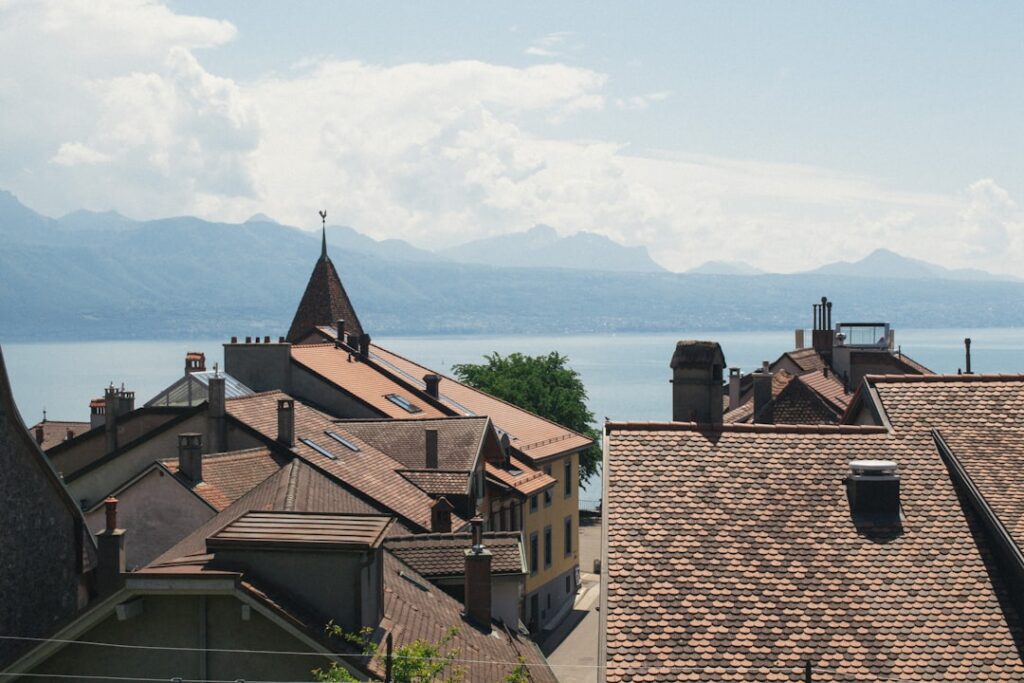
Many assume the best views in Geneva are free, and in many cases that’s true. However, a few paid viewpoints offer exceptional panoramas and are worth the cost for photographers or anyone after a different perspective. For example, climbing St. Pierre Cathedral’s towers (Cathédrale Saint-Pierre, Place du Bourg-de-Four 24, 1204 Genève) gives a 360° view over Lake Geneva and the Old Town — paid ticket (approx. €6–8). Some hotel terraces like the Hôtel Métropole Genève (Quai du Mont-Blanc 19, 1201 Genève) offer drinks with a view, often starting at €8–15 per beverage, which can be a practical alternative to paying an entrance fee.
Tip: for a high, free viewpoint check Parc des Bastions (Parc des Bastions, 1205 Genève) which provides different angles on the Old Town and the Jet d’Eau. Access is free and the park is pleasant in late afternoon. Otherwise, book a table on a hotel terrace or buy a ticket for the Cathedral tower — weekdays early in the morning usually mean fewer crowds.
8. Mistake #8 — Neglecting basic safety precautions and pickpockets in tourist zones
Geneva is generally safe, but like any major tourist spot, the areas around the Jet d’Eau and the Old Town attract pickpockets and small scams. Classic tricks include distraction via conversation, people asking you to sign petitions, or street performers creating diversions while accomplices ransack bags. The area between the Jet d’Eau and the English Garden can be especially vulnerable when crowds gather.
Simple precautions: keep valuables (passport, wallet, phone) in a zipped inner pocket, don’t leave backpacks open, carry a cross-body bag in busy areas and keep it in front of you. Be wary of overly persistent offers of “free” services or requests to sign something — politely decline and walk away. If you’re robbed or lose something, report it immediately to local authorities (Police Cantonale Genève — dial 117 in Switzerland for emergencies) and notify your embassy if needed.
Travel insurance: ensure your policy covers theft and loss of documents. Banks and official exchange offices (eg. Travelex at stations and airports) are more reliable for transactions, but check fees. Note that many museums require leaving large bags at the cloakroom; follow these rules to avoid issues and reduce the risk of loss.
9. Mistake #9 — Ignoring worship times and religious events at St. Pierre Cathedral
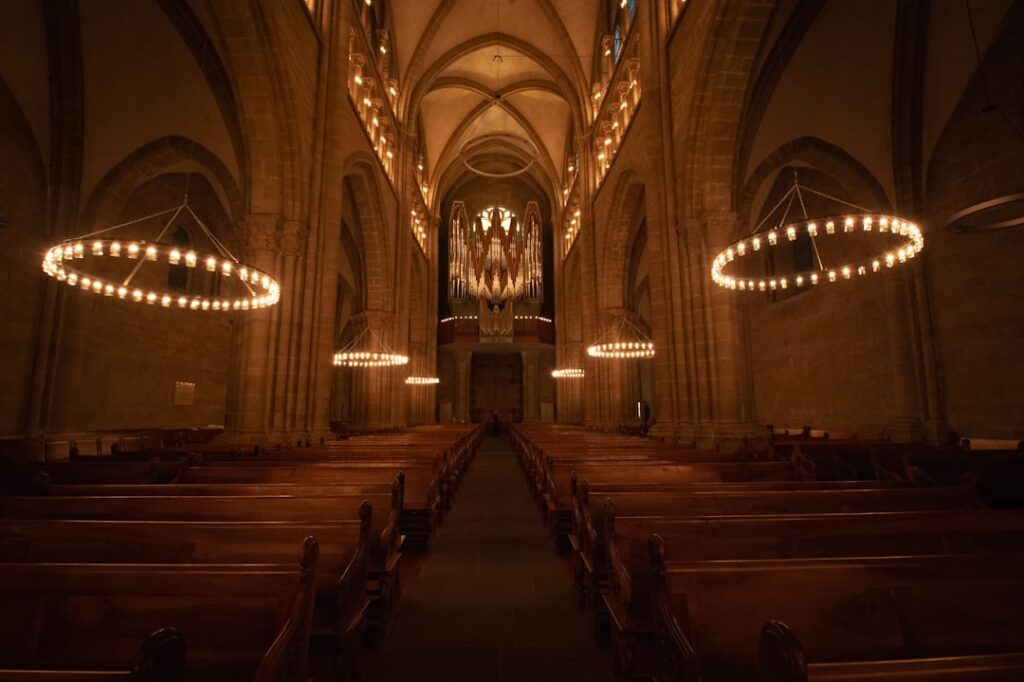
St. Pierre Cathedral is both an active place of worship and a major historic site. Visiting during a religious service (mass, wedding or concert) can limit access to certain areas and the towers. Service times vary by season and religious calendar — often morning and evening services (for example at 10:00 or 18:00 — indicative). During these times tourist entry may be restricted and silence is required.
Tips for non-religious visitors: check the cathedral’s official site for service times and plan your tower climb outside those slots. If you attend a mass out of cultural curiosity, respect the protocol (appropriate clothing, no photos during the service). Guided tours of the cathedral (around €6–12 depending on the offer) are usually scheduled outside liturgical hours and include explanations of the architecture and history.
Practical trick: if you want photos of the interior without crowds, aim for the official opening time in the morning (often 10:00 in high season). Sunday services attract the most people — choose another day if you want more peace.
10. Mistake #10 — Missing free times and local low-cost activities
Many visitors miss the affordable or free options Geneva offers. From walks in Parc La Grange (Avenue William-Favre 2, 1207 Genève) to public bathing spots like Bains des Pâquis (Quai du Mont-Blanc 30, 1201 Genève) — where entry is often free for swimming from the facilities or reasonably priced for sauna use (indicative €5–12) — there are affordable ways to enrich your visit. Additionally, several museums host reduced-price or free days (heritage days, first Sundays of the month at some venues).
Recommendations: look up local events (markets, outdoor concerts, festivals) on the City of Geneva website or at the Tourist Office (Office de Tourisme de Genève, Rue du Mont-Blanc 18, 1201 Genève). These events often provide a more authentic cultural immersion than a simple pass-by of monuments. In summer, the lakefront and quays host musical events and outdoor screenings that are free or very low cost (often €0–10 for organized activities).
Conclusion — Smart travel: get the most out of the Jet d’Eau and the Old Town
Visiting the Jet d’Eau and Geneva’s Old Town is a rich and memorable experience — if you prepare well. The ten mistakes covered in this guide address the main traps travelers encounter: bad photo timing, underestimating the time needed, overpaying in tourist areas, neglecting reservations, following only marked routes, overlooking public transport, missing worthwhile paid viewpoints, skimping on safety precautions, not respecting worship times and missing cheap or free local activities. Each of these mistakes is easy to avoid with a bit of foresight and good choices.
To recap concrete actions: plan visits for early morning or late afternoon to benefit from better light and smaller crowds; book popular museums and check service times at religious sites; avoid restaurants right next to attractions if you’re on a budget; use trams and allow time to walk; and above all, leave time to wander off the beaten path to discover the Old Town’s intimate corners. Don’t forget to consult official sites for up-to-date opening hours and prices (the figures here are indicative and converted to euros for readability).
Follow these recommendations and you’ll go from a rushed visitor to a savvy explorer: you’ll know where to set up your camera, where to eat without regrets, which tickets to book in advance, and how to enjoy panoramas without the crowds. Geneva will then reveal its best sides — the breath of the Jet d’Eau, the ancient stones of the Old Town, warm cafés and lake views — under ideal conditions. Have a great stay and happy discoveries!