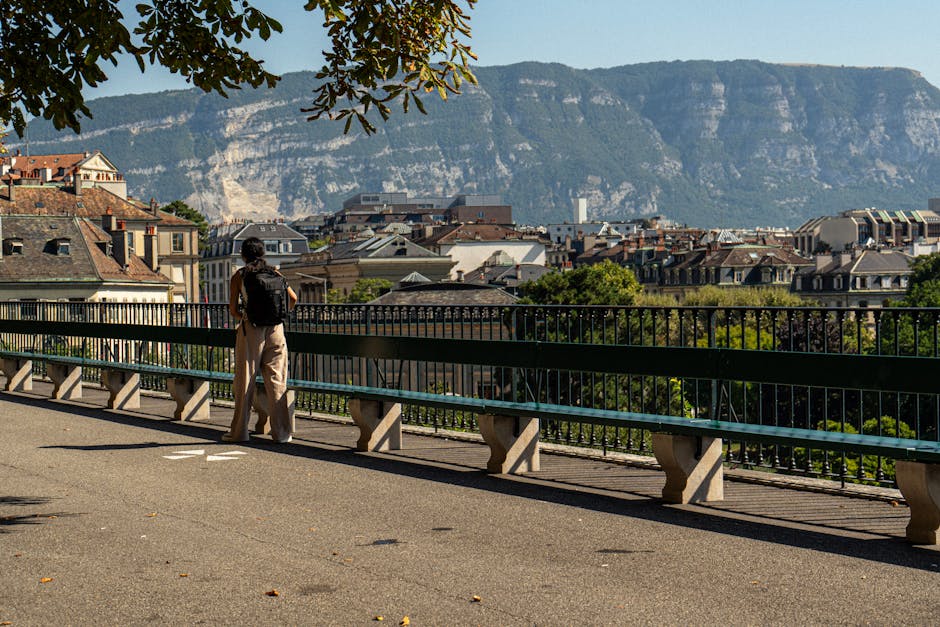





Introduction — Geneva beyond the postcards: why chase the unexpected?
When Geneva comes up, most people picture the Jet d’Eau, the Palais des Nations or the Old Town with its cathedral. Those icons deserve their fame, but they tell only part of the city’s story. Geneva is a compact, multicultural metropolis made up of tiny, story-filled corners — places of art, history and local flavor that don’t always make it into the standard guidebooks. This guide invites you off the beaten path to discover ten “forgotten” or simply little-known addresses. The approach here is practical: for each spot you’ll find the exact address, opening hours, prices in euros, an immersive description and neighborhood tips to make the most of your visit.
Regulars know that Geneva’s strength lies in its contrasts: quiet shores, artisan quarters, artists’ studios, niche museums and hidden gardens. Looking past the postcards reveals institutions devoted to rare crafts, nearly deserted parks, heritage libraries, cozy cafés sharing family recipes, and urban walks that trace the city’s industrial evolution. These places don’t just provide immediate pleasure — they’re also opportunities to meet passionate locals (curators, restaurateurs, artisans) who love sharing anecdotes, secret maps and recommendations to extend your experience.
This list mixes types of places: small but rich museums, calm reading parks, artisan neighborhoods where you can watch makers at work, studios turned cultural venues, and lesser-known architectural gems. Each entry aims to be thorough: precise postal address, practical opening times (often seasonal), prices converted to euros (to help international visitors), and concrete tips — how to reach the site by public transport, where to park your bike, which time of day works best, or which local dish to try afterward.
This guide is for a general audience: not an alpine hike nor a starred gourmet itinerary, but an urban ramble revealing layers of the city that too many travelers miss. Bring your curiosity, sturdy shoes and a notebook: Geneva beyond the postcards rewards slow looking. We open our top 10 with places of very different moods — from a ceramics museum to a historic greenhouse and private gardens occasionally open to the public. Each entry is numbered and developed so you can plan a full day or several half-days of discovery.
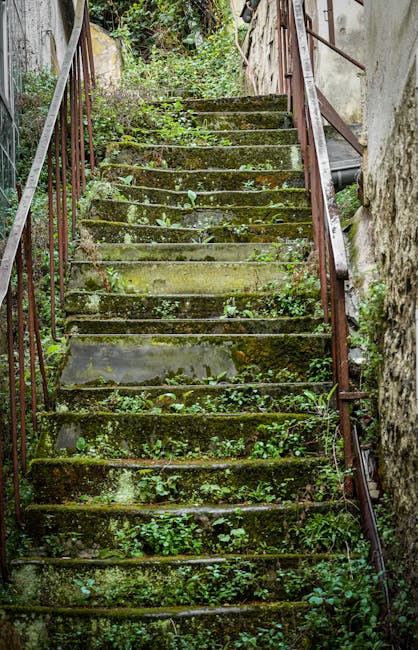
1. Musée Ariana — Swiss Museum of Ceramics and Glass
Address: Avenue de la Paix 10, 1202 Geneva, Switzerland
Opening hours: Tuesday to Sunday 10:00–18:00 (closed Mondays). Last admission 17:30. Closed on major Swiss public holidays (check the website before your visit).
Price: €9.00 reduced, €14.00 full price. Free for under-18s and Geneva City Pass holders (check conditions).
The Musée Ariana is a discreet gem, often overshadowed by Geneva’s more publicized museums. Housed in a neo-Renaissance building, it showcases a unique collection dedicated to ceramics and glass: European, Oriental and contemporary works alongside historic pieces. The galleries reward close looking, with items ranging from Persian vases to modern enamels and experimental stained glass. Dimmed lighting and careful displays create an intimate atmosphere ideal for studying details.
This is the perfect spot for anyone interested in materials and techniques. Labels explain manufacturing processes, glazes and technologies. Temporary exhibitions frequently highlight contemporary artists working in blown glass or wheel-thrown ceramics, showing how a centuries-old craft keeps evolving. The building itself deserves attention: sculpted façades, an inner courtyard and a minimalist garden where you can sit and leaf through the catalogue.
Local tip: arrive in the morning for a quiet visit, then cross the street for a coffee at the Maison de la Paix. If a demonstration or workshop is scheduled (often on weekends), book ahead — adult sessions are frequently limited in capacity.
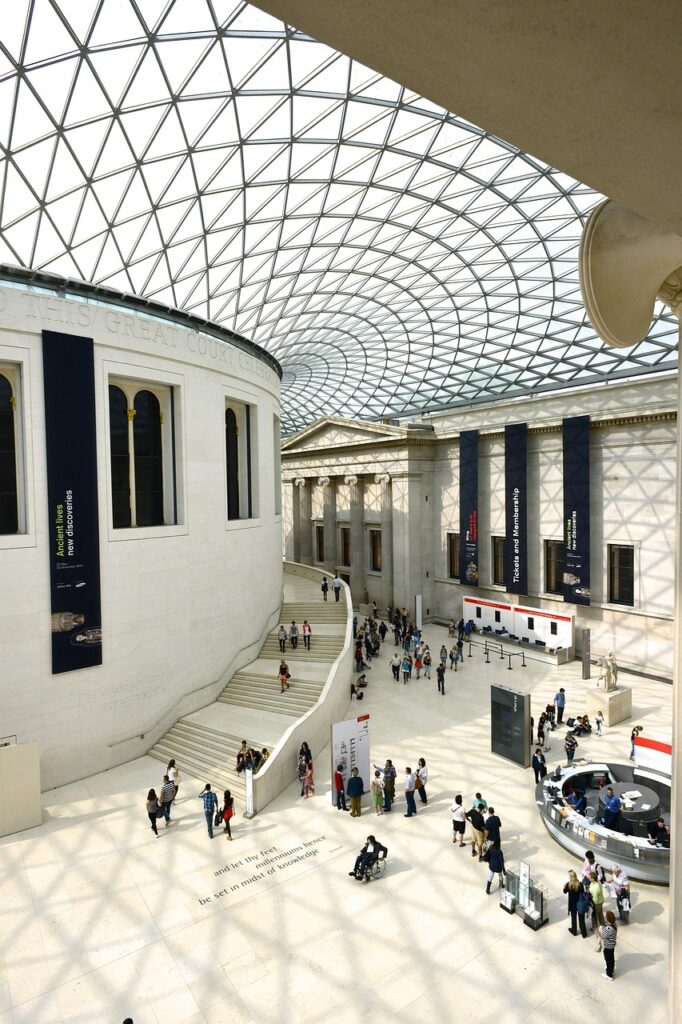
2. Carouge artisan quarter — hidden workshops, boutiques and cafés
General address: Place du Marché 1 and surrounding streets, 1227 Carouge (Geneva), Switzerland
Opening hours: Shops and workshops vary — generally 10:00–18:00 Tuesday to Saturday; some cafés open from 08:00 and bars stay open until midnight.
Price: Free to stroll. Paid workshops: €20.00–€70.00 depending on length and technique (ceramics, jewelry, screen printing).
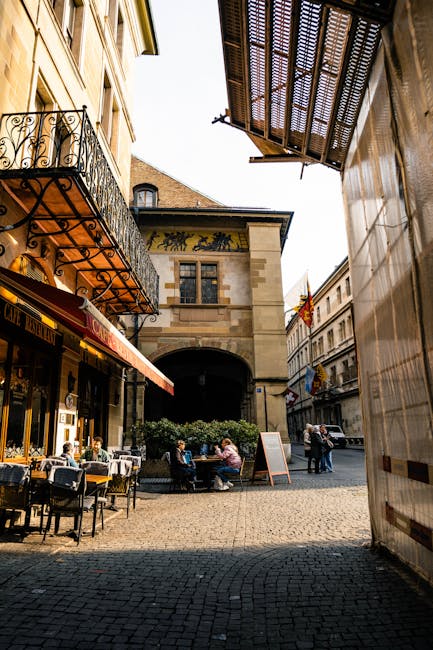
Carouge isn’t completely “forgotten,” but away from main tourist hubs its artisan sector hides narrow lanes lined with pottery studios, goldsmiths, leatherworkers and small galleries. The architecture has a Sardinian feel — colorful façades and wrought-iron balconies — a historical legacy from when Carouge didn’t belong to Geneva. The result is a Mediterranean-village vibe, with shady squares and local markets.
Workshops sometimes open their doors for impromptu demonstrations: watch glassblowing, see a jeweler filing metal by hand, or join an engraving class. Several cafés serve local products and homemade pastries — perfect for a break between visits. In the evenings, small music stages highlight local artists, often with no hefty entrance fees.
Local tip: look for small “atelier ouvert” signs and don’t be shy about going in — most makers love explaining their craft. For a lasting purchase, seek numbered pieces and request a certificate of authenticity. Visiting on a Saturday morning lets you catch the artisan market and speak directly with creators.
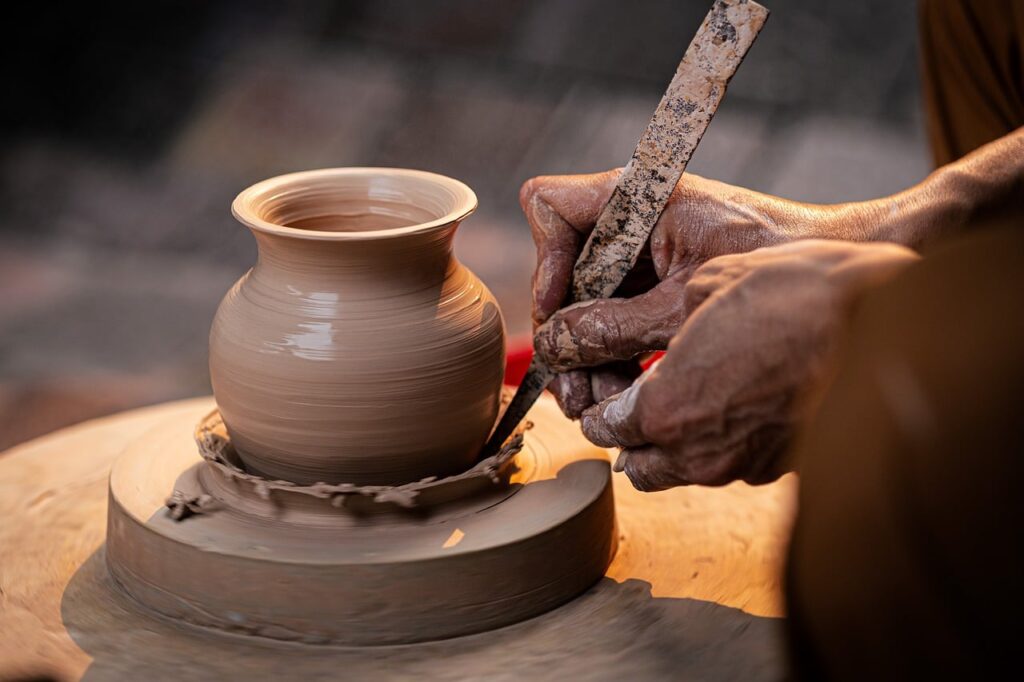
3. Musée Rath — art cabinet and little-known temporary shows
Address: Place de Neuve 1, 1204 Geneva, Switzerland
Opening hours: Tuesday to Sunday 11:00–18:00, late opening on Thursdays until 20:00 (depending on programming).
Price: €6.00 reduced, €10.00 full. Free entry on certain Sundays (program varies).
Located on the elegant Place de Neuve, the Musée Rath is often seen as a secondary stop compared to Geneva’s larger institutions, but it hosts top-quality temporary exhibitions, frequently focused on Swiss artists or specific art-historical themes. The neoclassical building provides a refined setting: salons, large rooms and a layout that favors thematic routes.
Regular visitors appreciate the detailed labels and the depth of research behind each exhibition. Shows can be intimate, allowing close encounters with works, or more documentary-driven with archives and international loans. The museum also runs lectures and themed guided tours — great for diving deeper into a subject.
Local tip: pair your visit with the nearby Musée d’Art et d’Histoire for a rich half-day of museums. If an exhibition interests you, check for guided tours that are free or discounted — they often offer valuable interpretive keys. Avoid the area’s lunch rush for a quieter experience.
4. Parc La Grange and Villa La Grange — strolls and old roses
Address: Quai Gustave-Ador 53, 1207 Geneva, Switzerland
Opening hours: Park open daily 06:00–22:00. The Villa and indoor gardens open seasonally, generally April–October 10:00–18:00 (check programming).
Price: Park entry free. Guided visits to the Villa or rose gardens: €5.00 to €12.00 depending on season.
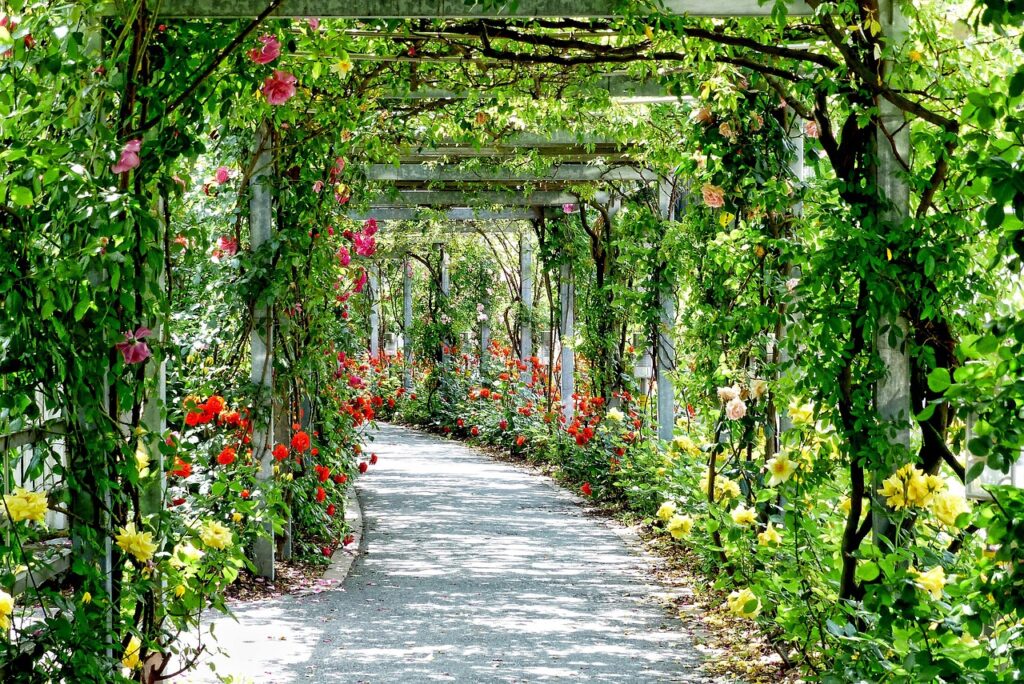
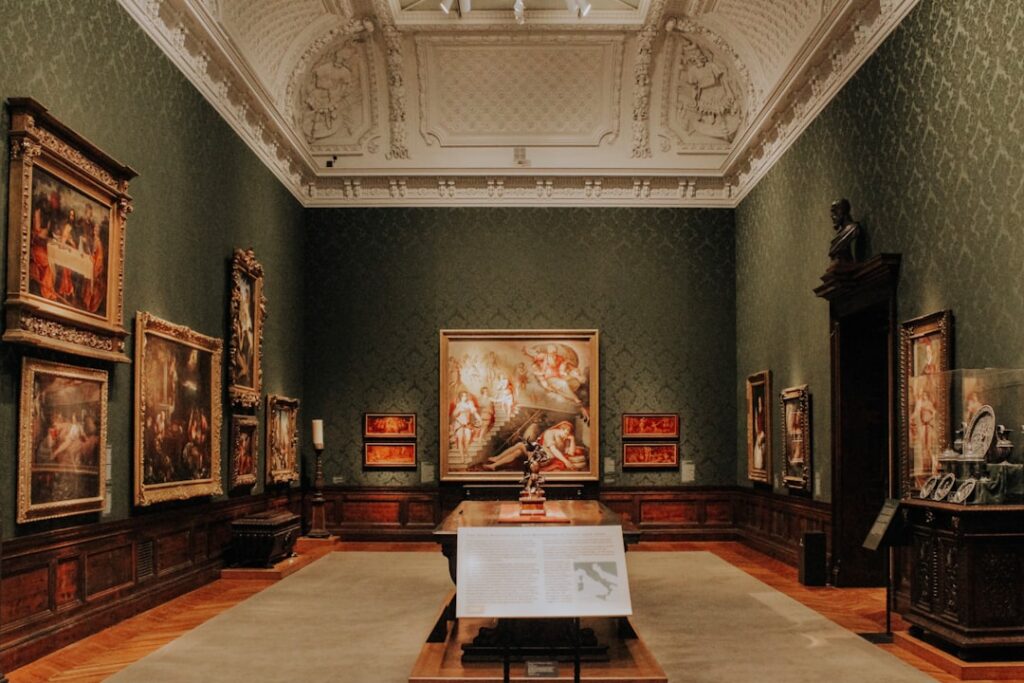
Parc La Grange is a verdant jewel often underestimated. Larger and less crowded than many urban parks, it features sweeping lawns, winding groves and a spectacular rose garden whose antique varieties perfume the air in late spring and summer. Set back from the lake, Villa La Grange hosts temporary exhibitions and a discreet cultural calendar mainly attended by locals.
The park lends itself to multiple circuits: a walk among century-old trees, a picnic on the lakeside terraces, or a quiet read under a lime tree. Evening hours are ideal for a sunset stroll, when the light plays across the façades and the number of visitors drops.
Local tip: bring a blanket for a picnic and pick up bread and cheese at the nearby market. In June, inquire about themed rose-garden tours, often led by enthusiasts who explain varieties, fungal issues and winter care.
5. Bibliothèque de Genève — heritage collections and quiet reading rooms
Address: Promenade de la Treille 5, 1204 Geneva, Switzerland
Opening hours: Monday 10:00–18:00, Tuesday–Friday 09:00–19:00, Saturday 09:00–16:00 (specialist reading-room hours may vary).
Price: Free access to general collections. Access to heritage collections by registration: €2.00–€8.00 depending on duration and services (photocopying, digitization).
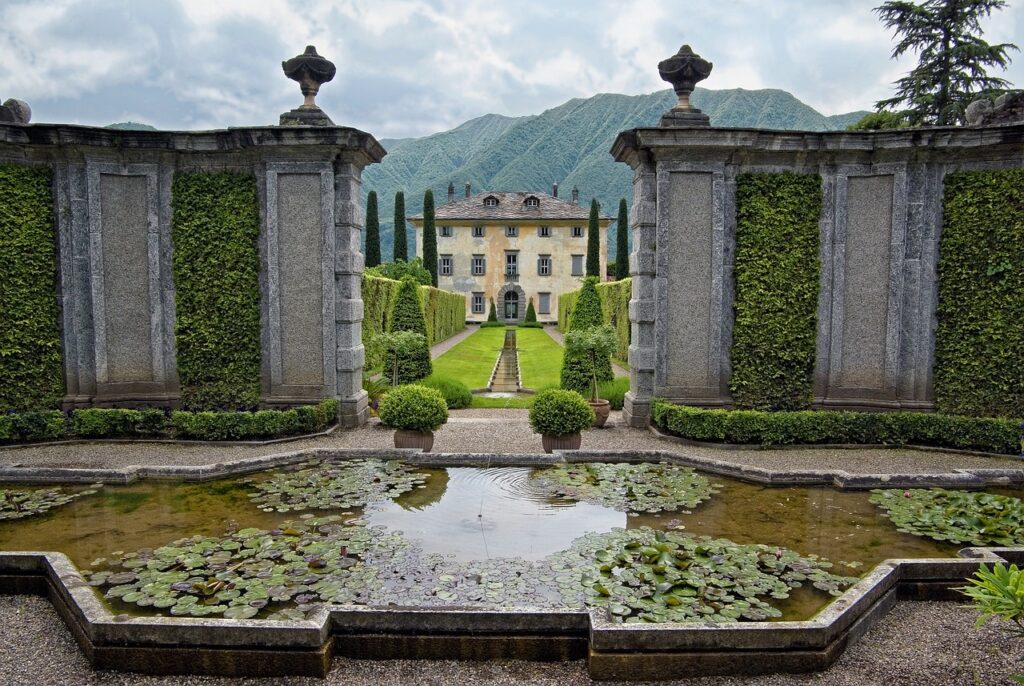
The Bibliothèque de Genève is a treasure trove for anyone interested in archives, ancient manuscripts, maps and historical photographs. The silent reading rooms, often empty of tourists, provide an excellent environment for research and discovery. Local collections include old maps, rare editions and materials on regional history. Temporary displays regularly uncover surprising documents: private letters, posters and early 20th-century images of Geneva.
Both amateur and professional researchers will find resources to trace local family histories, study old urban plans or understand the lake’s industrial changes. Staff are used to assisting with research — it’s worth booking an appointment for deep archival work.
Local tip: reserve the heritage reading room if you want to consult fragile items and allow time — retrieving materials can take a business day. Bring your laptop if you need to digitize extracts, and follow the handling rules for old documents.
6. Bains des Pâquis — public baths and local food scene
Address: Quai du Mont-Blanc 30, 1201 Geneva, Switzerland
Opening hours: Daily 06:00–23:00 in season (winter hours vary). Sauna and hammam hours vary, check the website.
Price: €6.00 general bath entry, €10.00 for sauna/hammam (indicative rates; replace with current prices).
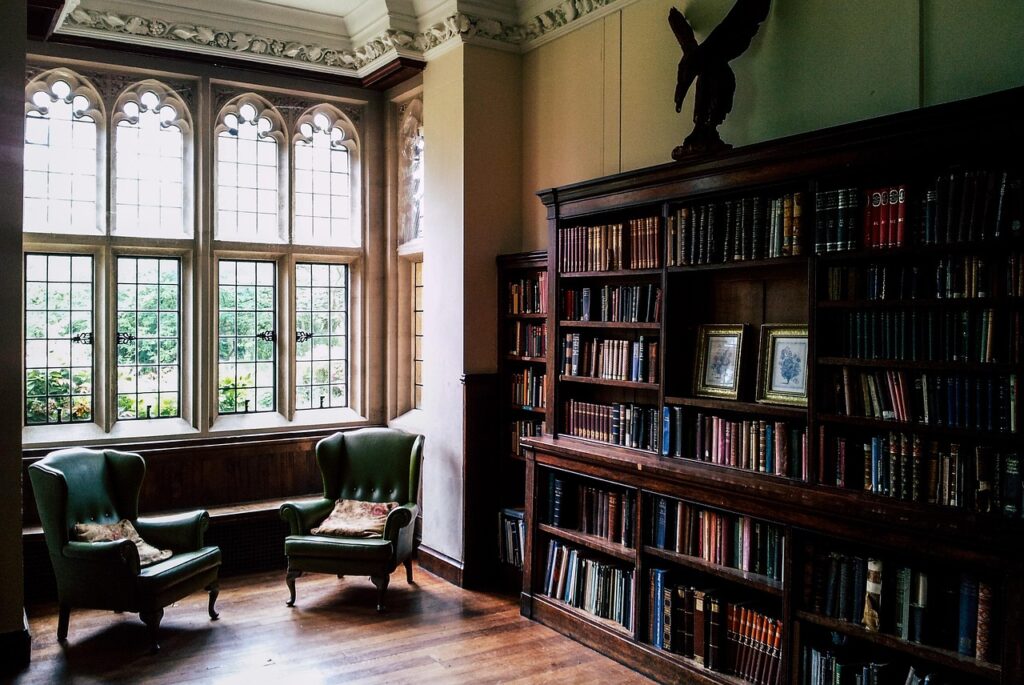
The Bains des Pâquis are a popular spot often overlooked for their social and cultural importance. Less “postcard” than the Jet d’Eau but far more intimate, it’s a meeting place for Genevans: morning swimmers, late readers and friends gathering over fondue, a warming soup or coffee by the lake. The showers, small beach and pier offer a closeness to the water you rarely find elsewhere in the city.
The canteen at the Pâquis serves hearty, simple dishes: lake fish, spiced soups and a famed winter fondue. The atmosphere is friendly and informal, encouraging conversation. In winter the baths turn into a venue for thermal experiments, with people plunging into icy water followed by a sauna — a local wellness tradition.
Local tip: come early for a peaceful swim; at lunchtime try the soup of the day. Summer evenings sometimes feature screenings or intimate concerts — check the local program. If you plan to use the sauna, arrive 30 minutes early to register.
7. The Vivarium at the Botanical Garden — greenhouses and tropical collections
Address: Chemin de l’Impératrice 1, 1292 Chambésy (main site of the University of Geneva Botanical Garden / entrances vary by season)
Opening hours: Greenhouses generally open 10:00–17:00, Tuesday to Sunday. Seasonal hours — check before you go.
Price: Greenhouse entry €5.00 reduced, €8.00 full. Some sections free.
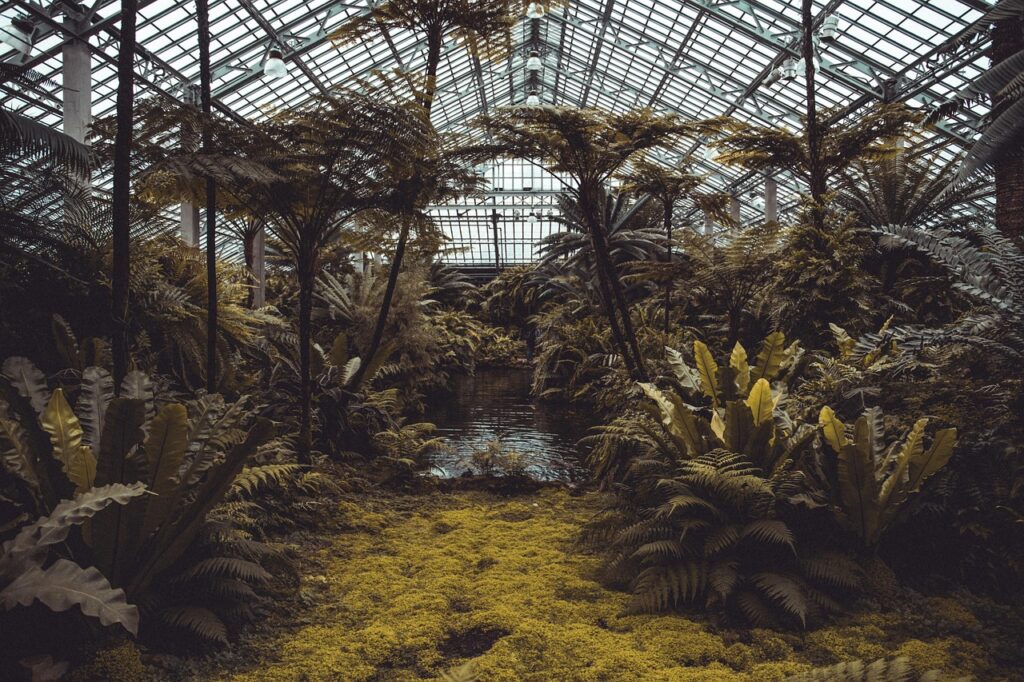
The Botanical Garden’s greenhouses — commonly referred to as the Vivarium — are a tropical oasis tucked into Geneva. They house rare species: carnivorous plants, exotic orchids, palms and giant ferns. The humidity and warmth immediately transport visitors away from Geneva’s temperate climate. Educational panels explain ecosystems, pollination and plant–animal relationships, turning the visit into a compact field class.
Managed by the University, the garden hosts conservation and research projects often presented to the public through temporary displays or children’s workshops. Photography enthusiasts will find striking plant arrangements and dramatic light in the glass corridors.
Local tip: wear closed shoes if you plan to join hands-on workshops. Autumn afternoons offer soft, flattering light for photos. Families should check the schedule for child-friendly educational sessions.
8. Museum of the History of Science — surprising collections and antique instruments
Address: Promenade de la Treille 5, 1204 Geneva, Switzerland (historic building, check access and specific opening times)
Opening hours: Tuesday to Saturday 10:00–17:00, Sunday 11:00–17:00. Closed Mondays.
Price: €5.00 reduced, €9.00 full. Free for under-18s.
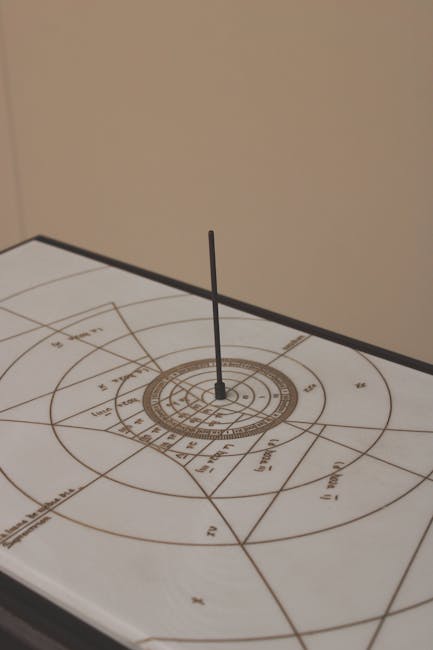
Housed in a heritage building, this museum traces the history of science in Geneva and the surrounding region with an impressive collection of optical, astronomical and meteorological instruments. Exhibits range from early microscopes to pioneering measuring machines, plus richly decorated terrestrial and celestial globes. Labels provide dating as well as experimental context and technological evolution.
It’s a playground for the curious: here you can see how scientific practices professionalized in Geneva, often at the crossroads of medicine, astronomy and navigation. Themed guided tours (by reservation) explore topics like the history of optics or the evolution of timekeeping instruments.
Local tip: great for families and tech enthusiasts. Pair this visit with the Bibliothèque de Genève (nearby) to consult old scientific treatises. If you’re a photographer, ask permission before photographing sensitive objects.
9. La Jonction and its industrial banks — a walk between the Rhône and the Arve
Landmark address: Pont de la Coulouvrenière / Promenade de la Jonction, 1205 Geneva, Switzerland
Opening hours: Walkways accessible 24/7; nearby services vary.
Price: Free (stroll). Cafés and bars along the route: drinks €3.00–€15.00 depending on venue.
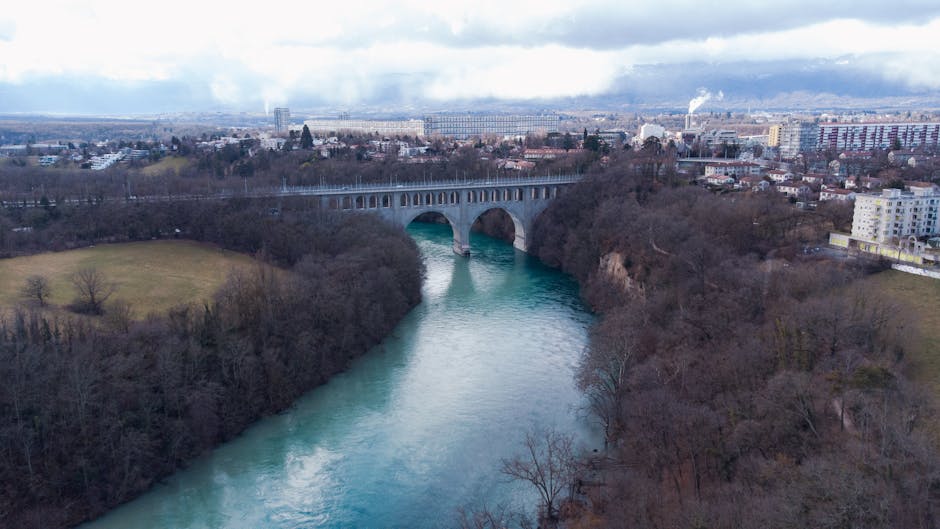
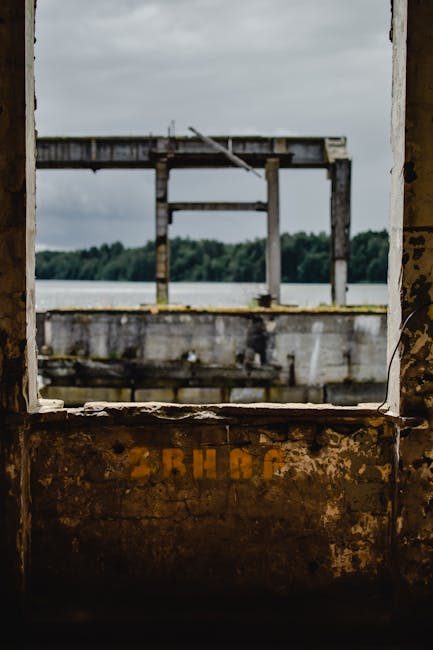
The La Jonction neighborhood, where the Rhône meets the Arve, is a place where industrial history still reads clearly on building façades. Old factories, repurposed warehouses and cultural wastelands sit alongside newly landscaped banks. It’s a riverside walk that changes with the light: golden hour highlights metal structures and the mingling waters in a nearly theatrical way.
You’ll find independent cultural initiatives — workshops, small concert venues and community cafés — that bring life to the area outside tourist routes. Walkers can observe urban transformations, from industrial heritage being revamped into housing or arts spaces, and get a sense of how Geneva is reinventing its margins.
Local tip: follow the riverbank toward Parc des Bastions to extend the walk. In warm weather, bring a picnic and settle on the banks. Photographers will appreciate reflections and the contrast between water and brick.
10. Conservatory and Botanical Garden — herbaria, greenhouses and peaceful strolls
Address: Chemin de l’Impératrice 1, 1292 Chambésy / Entrances depend on the sector of the Geneva Botanical Garden (check the nearest entry)
Opening hours: Public park generally open 08:00–18:00 (seasonal hours). Greenhouses and temporary exhibitions: 10:00–17:00 (Tuesday–Sunday).
Price: Garden entry free. Access to greenhouses and certain exhibitions: €4.00–€9.00 depending on the show.
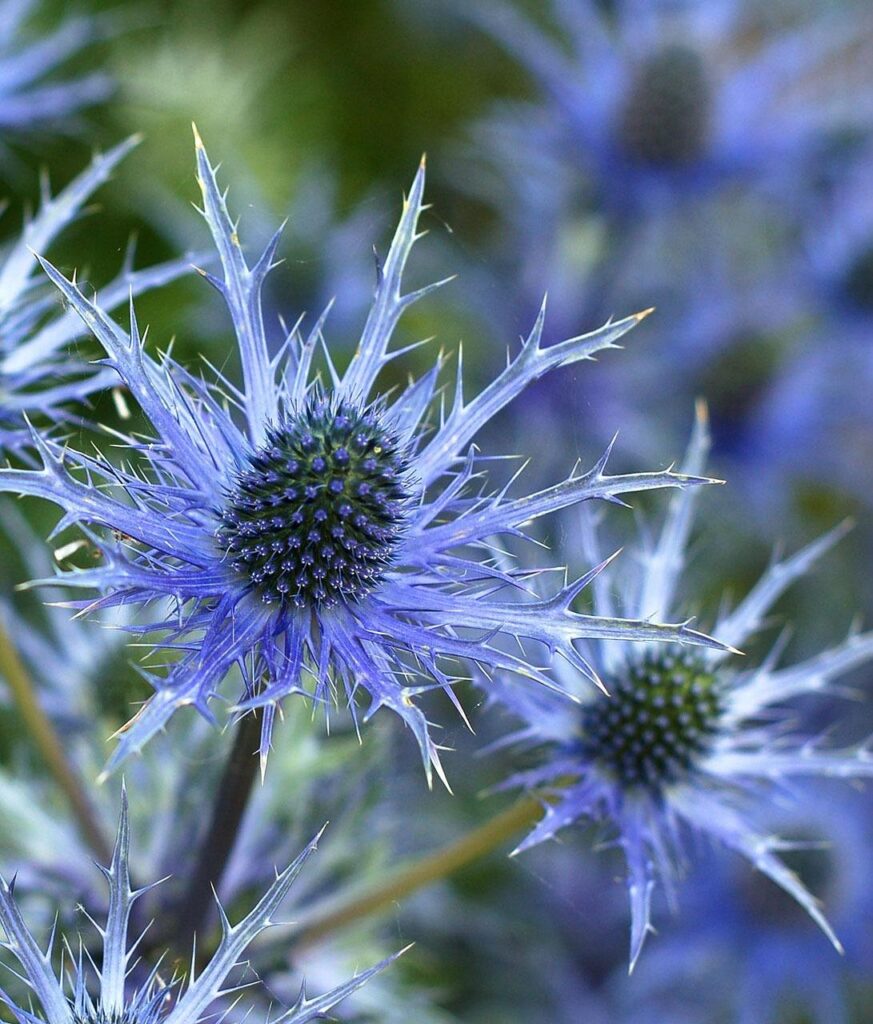
The Conservatory and Botanical Garden of Geneva is a center for conservation and education that houses historic herbaria, living collections and specialized greenhouses. The site is large and organized into themed routes (medicinal plants, alpine species, alpine rock gardens) with informative panels on biodiversity and conservation challenges. Unlike busier ornamental gardens, the focus here is scientific education and research: you’ll meet students, botanists and naturalists at work.
The vibe is contemplative: shaded paths, secluded benches and field notebooks. Guided scientific visits are often available by registration and sometimes grant access to behind-the-scenes areas such as the historic herbarium. Photographers, amateur botanists and families can easily spend several hours here.
Local tip: bring binoculars to watch insects and birds, and check the workshop calendar to join a species-identification session. May and June are especially lovely for alpine blooms and full display beds.
Conclusion — planning your off-the-beaten-track discoveries
This top 10 of Geneva “beyond the postcards” gives you a practical roadmap to explore a city that reveals itself through its micro-locations. Each site here offers a different kind of experience: intimate thematic museums (Ariana, Musée Rath), living artisan quarters (Carouge), tranquil green spaces (Parc La Grange, Botanical Garden), socially vibrant communal spots (Bains des Pâquis), and industrial fringes in transformation (La Jonction). The goal isn’t to skip the landmark monuments, but to complement them with stops that add texture to your stay.
To plan your route, a few practical tips: favor walking and public transport (the TPG network covers the city and its outskirts well), check official sites for up-to-date opening hours and prices (museums and greenhouses often vary seasonally), and verify workshops or guided visits that may require prior registration. As for money, the euro conversions here are indicative; in Switzerland transactions are most commonly in Swiss francs (CHF), although some places accept euros in cash or international cards.
Finally, leave room for the unexpected: some of the best finds come from chatting with a maker, following a sign into a courtyard or accepting an invitation to a small local concert. Geneva has pleasant surprises for those who take the time to look closer. Happy exploring beyond the postcards — and most of all, stay curious.