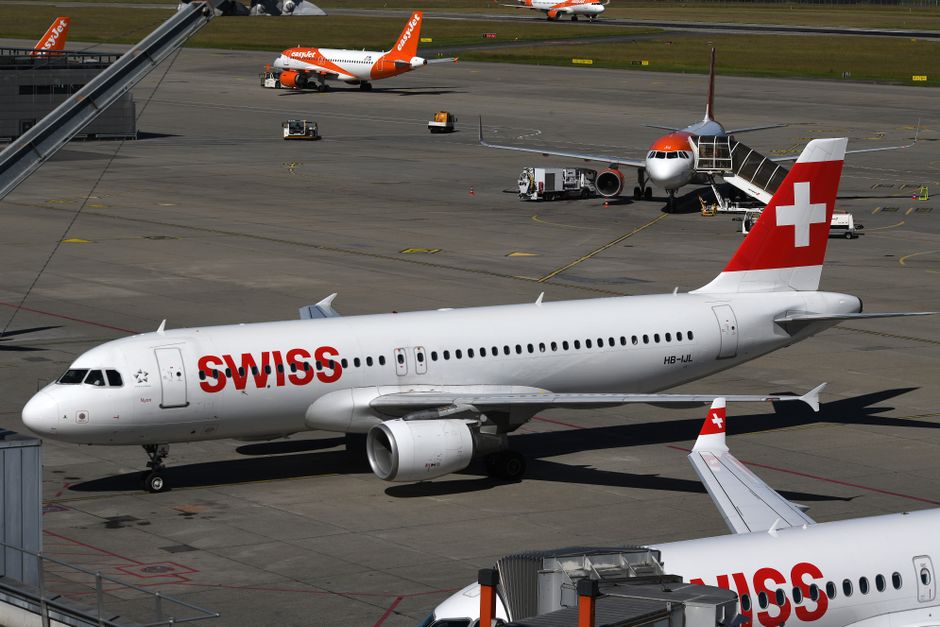






Introduction — Why this Geneva customs checklist is a must-have
Traveling through Geneva—whether via Geneva-Cointrin International Airport, Cornavin train station, or one of the road border crossings—often means crossing a non-EU customs border. Switzerland isn’t part of the European Union and enforces its own customs rules: taxable goods, prohibited items, exemption thresholds and required formalities. A simple mistake—failing to declare a valuable item, carrying more tobacco than allowed, or taking the green channel instead of the red—can cost you fines and delay your trip. This practical checklist was created for travelers transiting from or to Geneva: step-by-step instructions, exact addresses, useful opening hours, amounts in euros for thresholds, and ready-to-use checklists so you’re fully prepared before you reach the customs checkpoint.
In this guide you’ll find: a clear explanation of what must be declared in Geneva (cash, valuables, excise goods, animal or plant products), how to fill in the declaration form when needed, where and when to go to the counters, contact details and opening hours for the main Geneva customs points, and printable checklists to pack your bags properly. The tips are concrete and immediately actionable—no vague generalities, but numbered steps, euro amounts for thresholds and procedures depending on your entry point (airport, train station, road).
This guide covers the most common situations: arrival on a long-haul flight, returning from a business trip with professional equipment, transit with duty-free purchases, temporary import of a musical instrument, or carrying cash above the allowed limits. You’ll also learn how to anticipate any taxes due, how to obtain a customs receipt (useful for insurance or VAT purposes), and where to find on-site help: offices, useful numbers and opening hours so you don’t arrive during a quiet period. The goal is that you can open this page on your phone 10 minutes before you reach the checkpoint and answer any questions the customs officer asks.
Finally, this guide includes local tips—like handling duty-free purchases at Geneva-Cointrin airport, the difference between customs clearance for resale versus personal use, and how to act during a detailed inspection. You’ll find ready-to-print checklists: “To declare”, “To keep in carry-on”, “Documents to present”. If you need a printable PDF version of the checklist, tell me and I’ll provide an appropriate format.
What to declare at Geneva customs: the detailed checklist
Before you reach the checkpoint, run through the following checks. This checklist covers goods and situations that must be declared in Switzerland (Geneva)—I list thresholds and concrete examples plus practical wording to fill out the form or answer the customs officer.
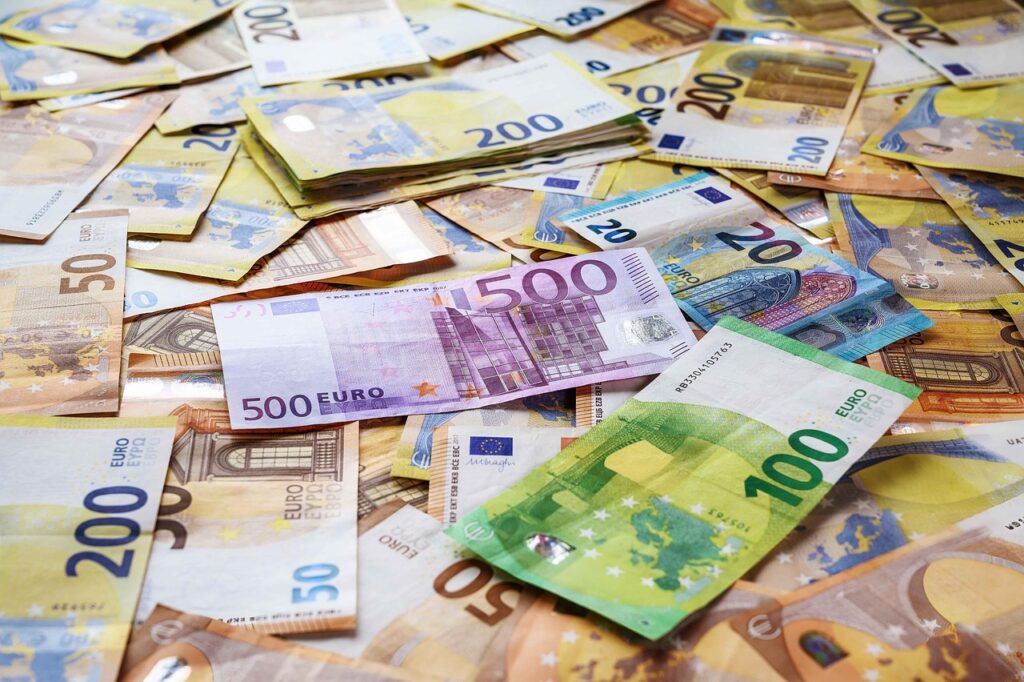
- Cash or negotiable instruments: if you carry more than €10,000 (or equivalent in CHF) you must declare it. Practical example: if you have €12,000 in cash in your bag, answer “yes” to the cash question and prepare proof of the funds’ origin.
- Goods bought duty-free or abroad: if the total value of imported goods exceeds your personal allowance (see thresholds below), you must declare them. Don’t confuse sales VAT with import taxes. Keep all receipts.
- Tobacco and alcohol: exceeding quotas—for example, more than 250 cigarettes, 50 cigars, or over 1 litre of spirits—usually goes beyond the allowance. Declaration required.
- Foodstuffs, plants, animals: meat, dairy products, fresh fruit, certain potted plants are often prohibited or subject to sanitary checks and must be declared.
- Commercial goods: if you import items for resale (even a small batch), you must declare them and bring invoices and shipping documents.
- Cultural objects and works of art: antiques, paintings, rare instruments—these often require certificates or permits and must be declared.
- Radioactive materials, weapons, ammunition: prohibited without authorization. Always declare.
- Vehicles and high-value items: if you import a vehicle, motorbike or an item of high value (e.g. > €10,000), have purchase and registration documents ready.
Practical thresholds (approximate values in euros for quick use): passenger allowances when arriving from abroad
- Allowance for travelers arriving by air/sea from third countries: about €420 (approx. 430 CHF)
- Allowance for travelers arriving by land from third countries: about €293 (approx. 300 CHF)
- Cash to declare: €10,000 (threshold set by international rules)
Practical tip: add up the value of all purchases and gifts from the last 24 hours before entering Switzerland. If you exceed the allowance, go straight to the customs counter (red channel) and ask for the appropriate declaration form.
How to fill in the declaration form — step-by-step guide
In Geneva, most formalities are handled via a paper form provided at the customs point or via electronic kiosks available in some terminals. Here’s a step-by-step procedure with ready-made phrases and the information to have on hand to avoid delays.
- Step 1 — Gather your documents: passport or ID card, flight/train tickets, purchase invoices (paper or PDF), certificates for animals/plants if applicable, proof of funds’ origin if you’re carrying more than €10,000. Keep everything in a clear folder.
- Step 2 — Choose the channel: at Geneva-Cointrin airport and international train stations, follow the “Green Channel” if you have nothing to declare, or the “Red Channel” if you must declare. If in doubt, take the red channel—it’s the safe choice to avoid a fine.
- Step 3 — Get the form: at the customs counter, ask for the “customs declaration form for travelers”. The form includes sections: identity, description of goods, value, reason for import, and signature.
- Step 4 — Fill it in accurately: use amounts in euros, list each item separately (e.g. « 1 wristwatch Rolex imitation — value €800″—avoid ambiguity). For cash, state the currency and total amount. Sign and date at the bottom.
- Step 5 — Present supporting documents: attach invoices and certificates. Officers may ask to inspect your luggage; cooperate and open your suitcases at the counter.
- Step 6 — Pay duties: if taxes are due, the counter will give you a payment slip. In Geneva, customs offices generally accept bank cards and sometimes cash. Request an official receipt—it’s needed for VAT refunds or later procedures.
Time-saving phrases to use (in French, for officers):
- « Bonjour, j’ai des biens à déclarer, pouvez-vous me donner le formulaire s’il vous plaît ? »
- « J’ai acheté ces articles à l’étranger, voici les factures — la valeur totale est de €540. »
- « Je transporte des espèces supérieures à €10 000, voici le justificatif de provenance. »
Estimated time: if everything is in order and you take the red channel voluntarily, the process usually takes 10–20 minutes. For detailed inspections (luggage check, verification of valuables) allow 45–90 minutes.
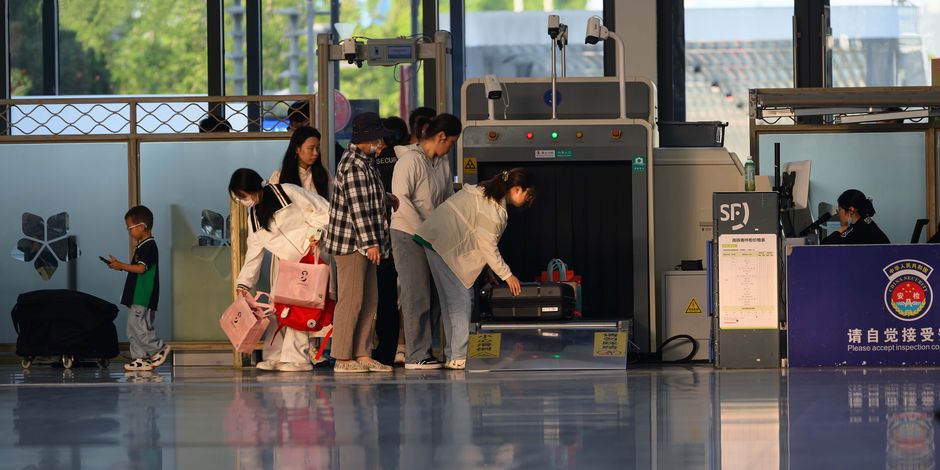
Where to go in Geneva: addresses, opening hours and practical fees
Here are the exact places where you can complete customs formalities in Geneva depending on your entry point. I list addresses, typical opening hours and some practical fees shown in euros to make planning easier.
-
Geneva International Airport – Traveler declarations
Address: Route de l’Aéroport 21, 1215 Genève-Cointrin, Switzerland.
Opening hours: baggage checks and customs counters available 24/7 in the international zone; the counter for administrative payments is generally open 07:00–22:00. (International exits and transit areas are signed with Green/Red Channel.) -
Cornavin Train Station (customs checkpoint)
Address: Place Cornavin, 1201 Genève, Switzerland (Gare Cornavin).
Opening hours: officer presence varies with international trains; the counter is generally accessible 06:00–22:00. For night trains, checks may occur onboard. -
Bardonnex Border Post (A1/A40 road to France)
Approximate address: Douane Bardonnex, RN 201, 1257 Veyrier / Bardonnex (motorway border area).
Opening hours: main road counter 06:00–22:00; inspections possible 24/7. (Tip: avoid peak morning/evening times to skip long queues.) -
Federal Customs Administration (FCA) – Information Office
Contact: FCA general number +41 58 467 25 11 (check the official site for updates).
Services: information, telephone guidance, import rules for special items.
Practical fees (approximate evaluations in euros for planning):
- Duties and VAT for exceeding allowances: variable by category. Typical example: electronics (mobile phone) VAT ~ 7.7% (Switzerland) + possible duties, calculated on declared value. For a smartphone at €800, expect around €62 VAT (estimate)—the actual amount will be converted to Swiss francs by the officer.
- Fine for undeclared goods detected voluntarily omitted: can range from a few dozen to several hundred euros depending on severity and undeclared value. Penalties rise for deliberate offenses.
Local tip: keep all receipts for payments made at the customs counter (official receipt)—you’ll need them if you request a VAT refund, file an appeal, or for insurance in case of dispute.
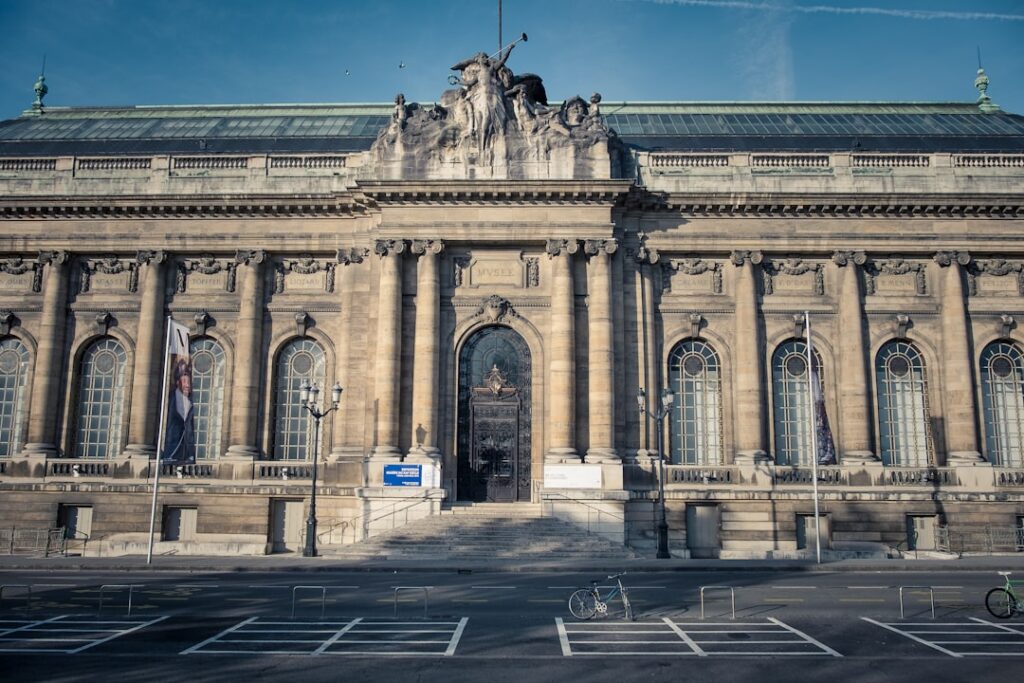
Procedure in case of a detailed inspection or dispute
Sometimes a customs officer will ask for a more thorough inspection of your luggage or dispute the declared value. Here’s the procedure to follow, with numbered steps and tips to calmly and effectively defend your case.
- Stay calm and cooperative: show your documents and open your bags when asked. Officers have the right to inspect, and resisting will only make things worse.
- Ask for the officer’s identification: note their name, rank and badge number if possible. This can be essential if you later challenge a decision.
- Request a written estimate: if the officer calculates taxes or a fine, ask for a written statement outlining the calculation. This paper will let you pay and contest later.
- Payment and receipt: pay at the counter if required (card or cash depending on the location). Get an official receipt—without it your payment isn’t proven.
- Appeals: you can contest the decision with the Federal Customs Administration. Note the contact details of the local office, photograph the goods, and keep invoices and receipts. The appeal deadline is limited—act quickly.
Practical case: if an electronic device valued at €1,200 is seized and the officer gives you a seizure document, copy all the information immediately, ask for a receipt and the contact for filing an appeal (usually the local FCA office). Then gather purchase invoices and any proof of prior ownership to prepare your appeal file.

Printable checklists and final practical tips
Here are concrete checklists to print or keep on your phone. They’ll help you avoid missing anything important when arriving in Geneva.
Checklist before entering Switzerland (tick boxes)
- [ ] Passport / valid ID card within reach
- [ ] Invoices and receipts for any purchase over €50
- [ ] Proof of funds for cash > €10,000
- [ ] Health certificates for animals/plants (if applicable)
- [ ] List of valuables with estimated values in euros
- [ ] Digital copies of all documents in your email/Cloud
Checklist at the customs counter
- [ ] Fill in the form using values in euros
- [ ] Attach invoices and certificates
- [ ] Get a receipt if you make a payment
- [ ] Note the officer’s contact details and time if there’s a dispute
Final local tips and hacks:
- At Geneva airport, follow the floor markings to find electronic kiosks that can speed up declarations—otherwise the main customs counter is clearly signed at the international exit.
- If you’re returning to France (or another EU country) via Bardonnex, allow an extra 15–30 minutes during peak times. Lines can get long late afternoon and on weekends.
- If you have professional gear (filming equipment, instruments), request a temporary relief document (ATA carnet for professional goods) before departure—this avoids taxation on arrival.
- Always keep original invoices; some officers may refuse copies.
Conclusion — Be prepared, declare, and travel worry-free
Customs in Geneva isn’t an opaque rite reserved for specialists: with simple preparation and orderly documents, the process is often quick and stress-free. Follow the golden rule: when in doubt, declare. It legally protects you and avoids fines and seizures. This guide gave you practical lists, numbered steps to fill out the form, essential addresses and opening hours (Geneva-Cointrin airport, Cornavin station, Bardonnex border), and indicative euro amounts for allowances and cash thresholds. These elements let you act immediately when passing through Geneva.
Remember customs also protects public health (checks on food and plants), safety (weapons, hazardous materials) and the economy (taxes and VAT). By being transparent and organized—sorted receipts, proof of purchases, declaring cash above €10,000—you greatly reduce your risk. If you face a detailed inspection, follow the recommended steps: cooperate, ask for written documentation, keep the receipt and be ready to appeal through official channels if necessary.
If you’d like me to prepare a printable PDF with the compact checklist (double-sided), a sample completed form, or an English version for your international colleagues, tell me the format and I’ll adapt it. Safe travels via Geneva—with this checklist you’ll be well equipped to clear customs calmly.