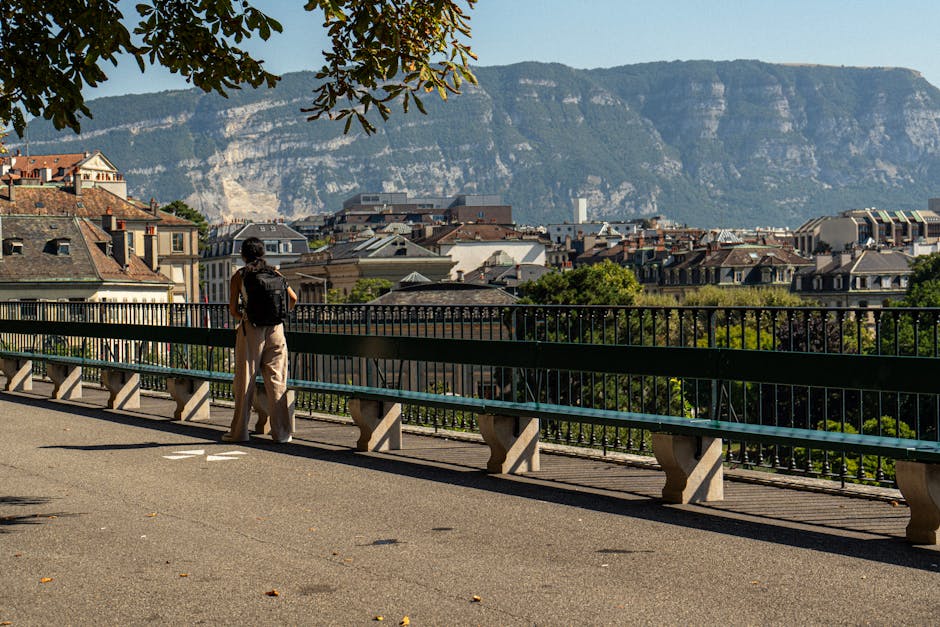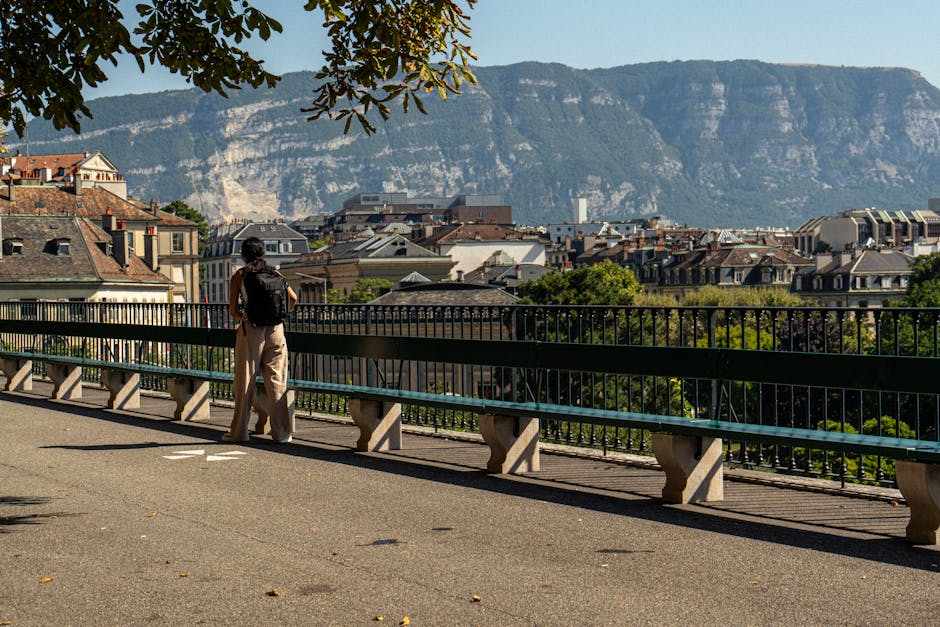





Introduction: Sustainable Geneva — exploring responsibly, away from the crowds
Geneva is often seen as a cosmopolitan, international hub — a diplomatic and financial center on the shores of Lake Geneva. But beyond the institutions and the tourist flow that heads for Rue du Rhône and the Jet d’Eau, there’s a slower, more mindful and decidedly sustainable side to the city. This guide is written for the conscious traveler who wants to discover Geneva off the beaten track: bike rides along quieter shores, local workshops, independent museums and urban parks where biodiversity is protected. You’ll find routes, precise addresses, opening hours and prices shown in euros to make planning your trip easier.
Sustainable exploring starts with reducing your carbon footprint: favor public transport, walking, cycling or shared electric scooters, and choose eco-responsible accommodation. In Geneva, the tpg public transport network and the city bike system provide handy alternatives. It also means supporting the local economy: neighborhood restaurants, farmers’ markets, artisan shops and repair workshops. Finally, it’s about respecting natural and cultural spaces by avoiding overloading fragile sites and timing your visits to dodge peak crowds.
This practical, general guide, written in a professional tone, lays out several routes and places to visit, all selected for their cultural or ecological interest and their lower visitor numbers. You’ll find full addresses — essential for navigating the city — as well as opening times, prices in euros (when available or estimated) and immersive descriptions to help you prepare each visit. Local tips, responsible behavior techniques and crowd-avoidance tricks round out every section.
Whether you’re planning a short stay or a longer immersion, the goal is the same: to leave with an authentic experience of Geneva while minimizing your footprint. The suggestions below alternate between nature walks, low-key cultural visits and sustainable communal spots, so you can build a coherent itinerary rich in discovery and respectful of residents.
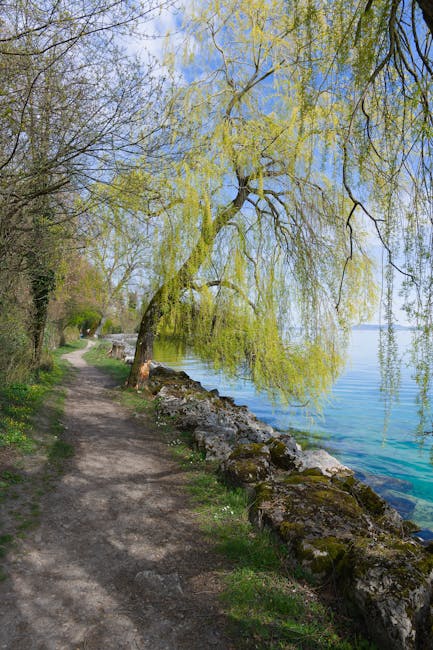
1) Quiet shores and islands: peaceful walks and lesser-known waterways
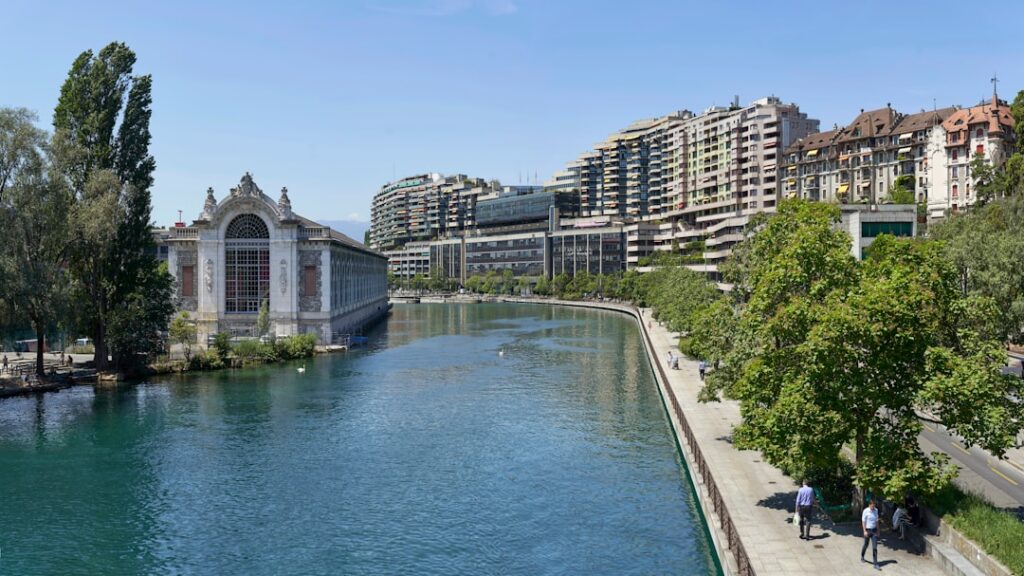
Start your sustainable discovery with the less-crowded shores of Lake Geneva and a few islands and parks that offer fresh air, views and preserved urban nature. The Bain des Pâquis (Quai du Mont-Blanc 30, 1201 Geneva) is popular, but its far end and early morning hours provide a peaceful experience: local breakfast, sauna in winter and swimming in summer. Approximate prices: €4–8 for access to the pier and €8–15 for services like the sauna (hours: daily, 6:30–22:00 in summer, reduced winter hours depending on the season).
For a quieter stroll, head to Île Rousseau (Île Rousseau, 1204 Geneva) off the main flow: the island offers shaded benches and a lovely view of the Old Town without the dense tourist crush outside peak times. Continue on to the Parc des Bastions (Promenade des Bastions 1, 1205 Geneva), where lawns and tree-lined paths are great for reading outdoors and are less busy early in the morning or late afternoon. The park is open continuously and free to access.
A very sustainable option is to walk along Quai Gustave-Ador toward the Quai Wilson promenade: you’ll pass near the Jet d’Eau (Quai Gustave-Ador, 1207 Geneva) but by staying on the opposite shore and using the small perpendicular quays, you avoid the crowd gathered directly around the monument. The Jet d’Eau is a free spectacle, visible year-round; watching it from a discreet bench or a neighborhood café lets you enjoy the view without the crush.
Local tips: pick off-peak times (between 9:30–11:30 and 15:30–17:30) to avoid tourist buses. Bring a reusable water bottle — public fountains are plentiful and Geneva tap water is drinkable. If you want to swim away from the crowds, ask about lesser-known beaches on the southern lake shore or municipal facilities accessible via tpg bus lines; a daily tpg pass costs roughly €5–10 depending on the zone, and is worth it for a full day of sustainable travel.
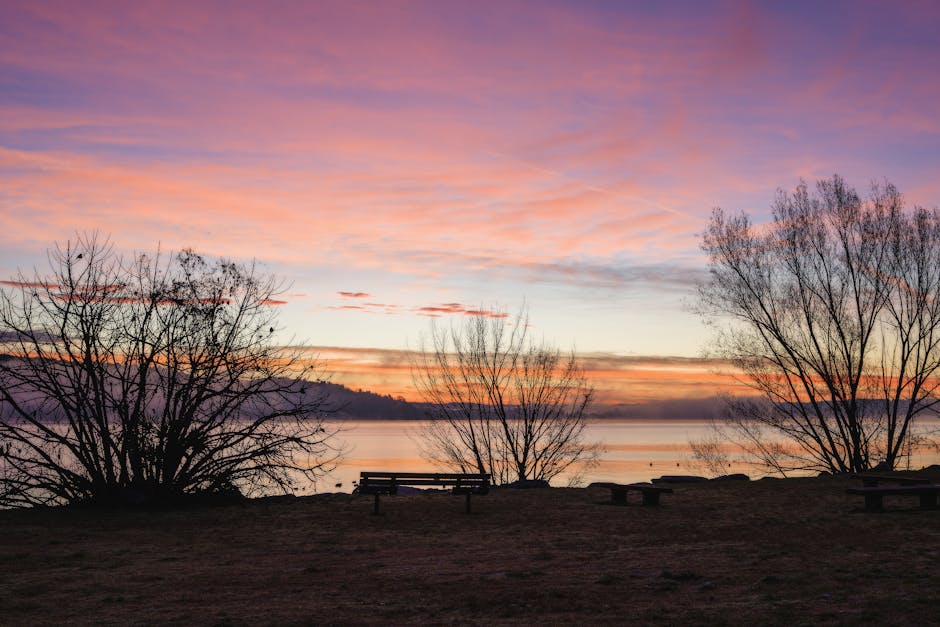
Practical addresses and hours
- Bain des Pâquis — Quai du Mont-Blanc 30, 1201 Geneva. Hours: 6:30–22:00 (seasonal). Price: ~€4–15 depending on activities.
- Île Rousseau — Île Rousseau, 1204 Geneva. Free access, open year-round.
- Parc des Bastions — Promenade des Bastions 1, 1205 Geneva. Free access, open year-round.
- Jet d’Eau — Quai Gustave-Ador, 1207 Geneva. Free to view, continuous fountain operation (weather permitting).
2) Eco-conscious museums and workshops: culture without the crowds
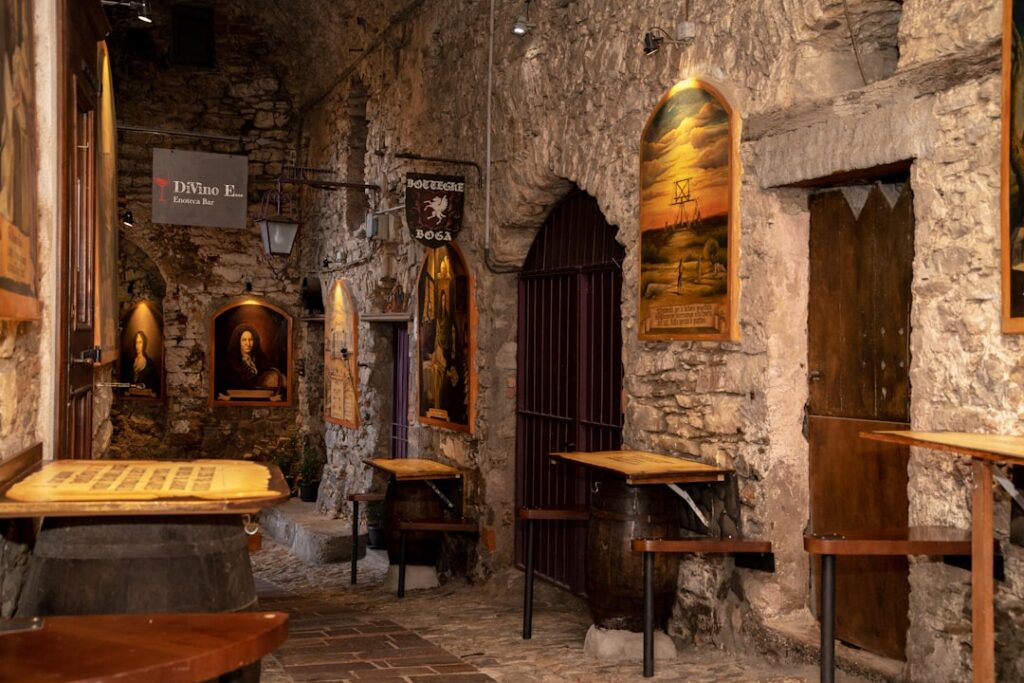
Geneva has quieter museums and artisan workshops where you can learn sustainable skills. These spots often offer more intimate visits than large institutions and help you understand local history, craft practices and ecological commitments. Among them, the Maison Tavel is a discreet must-see: located in the heart of the Old Town, it presents a panorama of medieval Geneva urbanism and exhibits about city life. Address: Maison Tavel, Rue du Puits-Saint-Pierre 6, 1204 Geneva. Hours: Tuesday–Sunday 10:00–17:00. Price: entry ~€5 (reduced rates may apply).
The Musée d’Art et d’Histoire (Rue Charles-Galland 2, 1206 Geneva) houses rich collections but is often less crowded than big museums in Paris; favor weekday mornings for a peaceful visit. Hours: Tuesday–Sunday 11:00–18:00, closed Monday. Price: general admission ~€8–12 depending on temporary exhibitions.
For sustainable craftsmanship, head to the Carouge district — Place du Marché, 1227 Carouge — where small ceramic, leather repair and textile workshops offer hands-on classes and mended pieces rather than throwaways. Carouge is an old Mediterranean-style suburb with low streets and independent cafés; stroll there outside market hours to chat with artisans without the crowd. The Carouge market (Place du Marché) runs regularly — check local dates to meet producers.
The Patek Philippe Museum (Rue des Vieux-Grenadiers 7, 1205 Geneva) is famous, but morning guided tours and early-afternoon slots are generally less crowded than peak times. Hours: Tuesday–Sunday 14:00–18:00 (check before visiting). Price: entry ~€10–15. The museum showcases watchmaking know-how that reflects a sustainability approach focused on product longevity — a central topic for responsibly minded visitors.
Local tips: book timed-entry tickets online to guarantee a specific slot and support eco-friendly activities (repair workshops, temporary exhibitions on the circular economy). When attending workshops, ask whether materials are recycled or locally sourced; many Geneva artisans offer responsible alternatives. Also consider visiting museums during temporary exhibitions about nature and sustainable urbanism — these programs often highlight local initiatives and are less busy than permanent collections.
Practical addresses and hours
- Maison Tavel — Rue du Puits-Saint-Pierre 6, 1204 Geneva. Hours: Tue–Sun 10:00–17:00. Price: ~€5.
- Musée d’Art et d’Histoire — Rue Charles-Galland 2, 1206 Geneva. Hours: Tue–Sun 11:00–18:00. Price: ~€8–12.
- Patek Philippe Museum — Rue des Vieux-Grenadiers 7, 1205 Geneva. Hours: Tue–Sun 14:00–18:00 (to be confirmed). Price: ~€10–15.
- Carouge district — Place du Marché, 1227 Carouge. Shops and workshops: varying hours, market on certain days (check local calendar).

3) Green walks and protected urban spaces
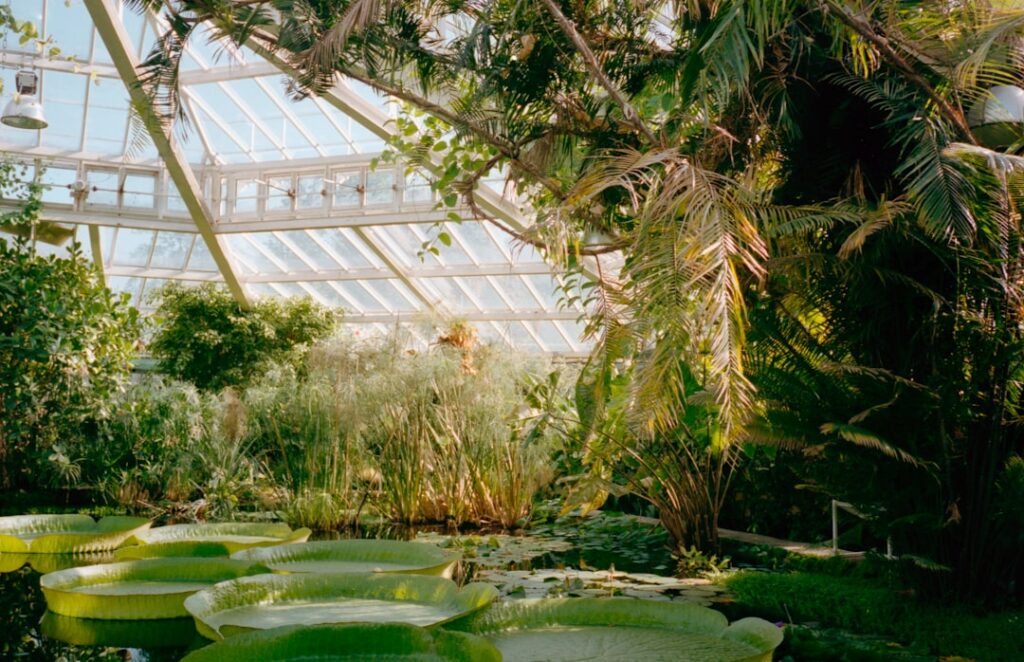
Geneva surprises with the variety of its green spaces — some very busy, others ideal for a peaceful, responsible visit. The Conservatory and Botanical Gardens of the City of Geneva offer valuable plant collections and themed greenhouses: approximate address Conservatory and Botanical Gardens, Chemin de l’Impératrice 1, 1218 Geneva (check the exact entrance on city maps). Hours: generally 8:00–18:00 (seasonal changes possible). Price: gardens are usually free; greenhouses may ask for a small donation or ticket ~€3–8.
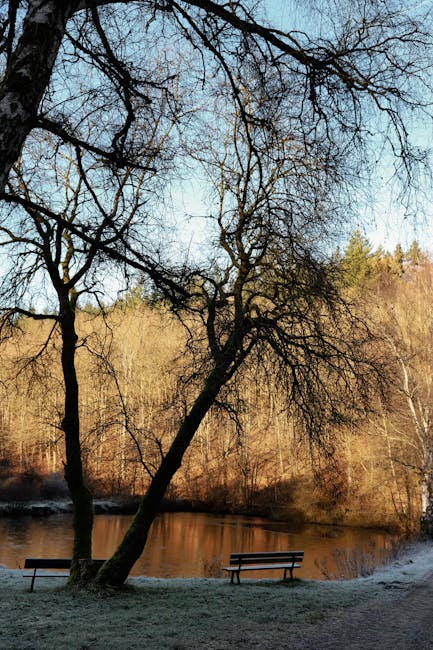
The Parc La Grange and the Parc de la Perle du Lac, located along the lake southwest of the center, are large areas where nature takes the lead: lawns, flower gardens and century-old trees. Addresses: Parc La Grange, Avenue William-Fazy, 1204 Geneva and Parc de la Perle du Lac, Chemin de la Perle du Lac, 1208 Geneva. These spaces are free and open year-round. They’re perfect for responsible picnics (pack out your waste or use the on-site recycling bins).
If you want a guided nature experience, look into outings organized by local conservation groups like Nature et Forêts Genève or the Geneva Foundation for Nature. These outings, often low-cost (~€5–20), help you better understand local fauna and flora and practice respectful behavior (observe from a distance, don’t take specimens, stay on the trails).
Practical tips: wear sturdy shoes, bring a zero-waste picnic kit and use public transport to reduce your travel impact to these parks. Early mornings often provide the best light for photography and fewer visitors. Avoid feeding urban wildlife — it alters ecosystems — and favor local products for snacks by buying at markets or zero-waste neighborhood stores.
Addresses and recommendations
- Conservatory and Botanical Gardens — Chemin de l’Impératrice 1, 1218 Geneva (main entrance to verify). Hours: variable, gardens often 8:00–18:00. Price: gardens free, greenhouses ~€3–8.
- Parc La Grange — Avenue William-Fazy, 1204 Geneva. Free access.
- Parc de la Perle du Lac — Chemin de la Perle du Lac, 1208 Geneva. Free access.
- Local associations: guided nature outings ~€5–20. Reservations often required online.
4) Responsible eating and local markets
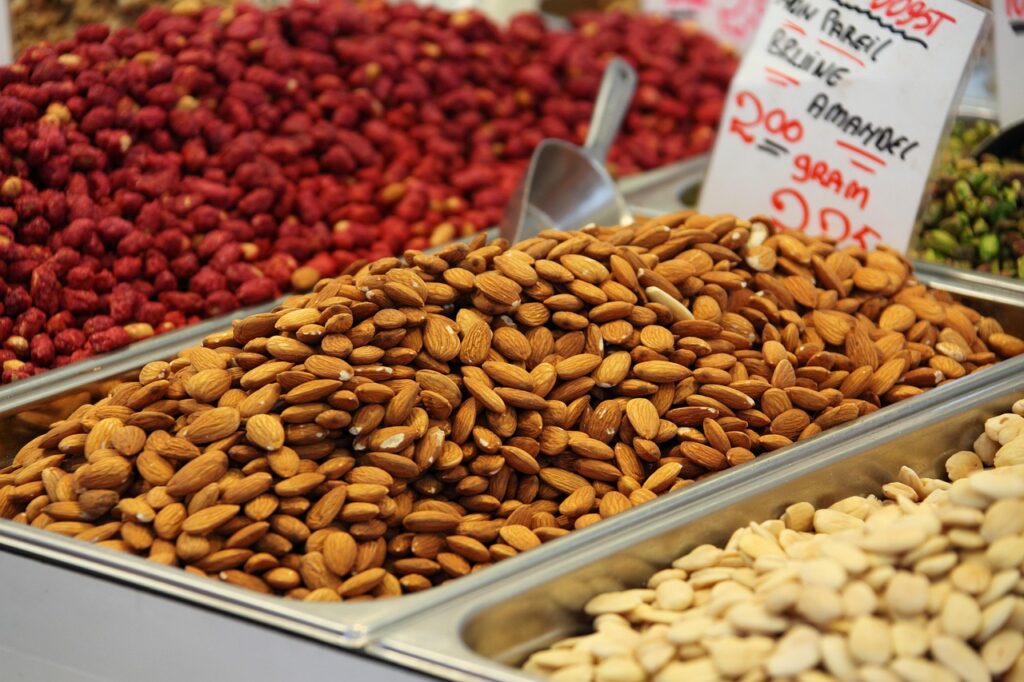
Eating sustainably in Geneva is both simple and a pleasure: farmers’ markets, bulk grocery stores, small restaurants that prioritize local produce and short supply chains. The Fusterie Market (Place de la Fusterie, 1204 Geneva) offers fruit, vegetables, cheeses and artisan goods on several mornings each week; it’s the perfect spot to build a responsible picnic before a lakeside stroll. Hours: usually mornings and late mornings (check the weekly schedule). Estimated budget: €5–15 for a light meal made with local products.
For an ethical coffee and local vibe, try places like Café du Marché (several locations in Carouge and downtown, address varies) or Café Remor (near the Bastions). Independent cafés often offer vegetarian options and organic products. Restaurants focused on sustainability include farm-to-table options and seasonal menus; expect dishes priced around €12–30 depending on location and menu.
For a local culinary experience away from tourist crowds, head to neighborhood bistros around Plainpalais and Eaux-Vives. These small canteens serve daily menus prepared with local ingredients and reasonable portions, typically between €10–18. In addition, several bulk grocery stores and food cooperatives let you pack a plastic-free lunch — look for places like La Vie en Vrac or Zero Waste Shop Geneva for responsible shopping.
Practical tips: arrive early at markets to avoid crowds and guarantee freshness. Bring reusable bags and airtight containers; ask vendors for compostable packaging where possible. Finally, if you dine at a restaurant, ask for the seasonal or local menu — besides lowering carbon footprint, you support small Geneva producers and enjoy authentic flavors.
Useful addresses and typical budgets
- Fusterie Market — Place de la Fusterie, 1204 Geneva. Hours: mornings (check exact days). Budget: €5–15 per meal.
- Bulk grocery stores (examples) — La Vie en Vrac, address varies (consult local directory). Prices vary by product.
- Neighborhood bistros (Plainpalais, Eaux-Vives) — daily menus: €10–18.
Conclusion: travel light in Geneva — sustainable and away from the crowds
Geneva offers a wealth of sustainable experiences for those who avoid the most tourist-heavy routes and favor environmentally and community-friendly approaches. This guide has highlighted calm shores, low-key museums, protected parks and responsible food spots — each accompanied by precise addresses, indicative hours and euro prices to help with logistics. The key to a responsible stay in Geneva is to alternate early-morning walks, weekday visits, meetings with local artisans and pauses in quiet parks.
Simple actions make a big difference: use public transport (daily tpg passes), walk, rent a bike or use shared mobility services to cut your carbon footprint. Favor short supply chains when eating and shopping (markets, bulk stores) to support a local economy that values sustainability. Taking part in repair workshops or guided nature outings enhances your trip while teaching practices you can bring home.
To avoid crowds, plan visits outside peak hours, reserve museum time slots when possible, and choose residential neighborhoods for meals and walks. Respect local rules in natural spaces — don’t pick plants, don’t feed wildlife, and carry out your rubbish — so you leave Geneva as you found it, or even more beautiful. By adopting these habits, your trip to Geneva will be not only calmer and more authentic, but beneficial to local communities and ecosystems.
Enjoy a sustainable journey in Geneva: take the time to observe, talk with locals, savor specialties slowly and bring home habits and memories that will extend the positive impact of your stay.