





Introduction — Geneva Travel Guide: What You Must Declare at Customs — and Why
Geneva is an international hub tucked between Lake Geneva and the Alps, drawing millions of visitors every year for its international organisations, luxury watchmaking, duty-free shopping and alpine scenery. But before you head to the lakeshore or wander the Old Town, every traveller needs to understand the customs rules that apply when entering and leaving Switzerland, especially in Geneva. Knowing these rules will save you delays, fines, confiscations or unpleasant surprises when you want to bring back purchases, gifts, food items or cash.
This detailed guide focuses on what you need to declare at customs in Geneva, why those declarations matter and how to complete them simply and correctly. You’ll find practical information on major entry points — notably Geneva Airport (Geneva-Cointrin) — as well as train stations and road border posts. We also cover rules for alcohol, tobacco, cash, medicines, food, pets and valuable items such as watches and jewellery. Each section includes amounts, exact addresses, approximate opening hours and local tips so you can plan your trip effectively.
Why declare? Switzerland is not an EU member and has its own customs rules. Some goods are subject to import duties, VAT or prohibitions; others simply require a form to prove export or to claim a VAT refund (tax-free). Also, as an international business centre, Geneva enforces strict controls on cash and anti-money laundering: large amounts of cash must be reported. Failing to declare properly can lead to financial penalties, seizure of goods, or even criminal charges.
This guide, aimed at the tourist, provides step-by-step instructions for declaring when arriving at Geneva Airport (Route de l’Aéroport 21, 1215 Geneva, Switzerland), at Geneva-Cornavin station (Place Cornavin 2, 1201 Geneva) or at road border posts. You’ll also find practical tips about the “Green/Red” lanes in arrivals halls, VAT refund counters (tax-free) and how to prepare the supporting documents requested. The information below is meant to be directly usable: addresses, approximate hours, indicative fees in euros and local recommendations to speed up the process.
1) Entry points and initial formalities in Geneva (Geneva Airport, Cornavin Station, road border posts)
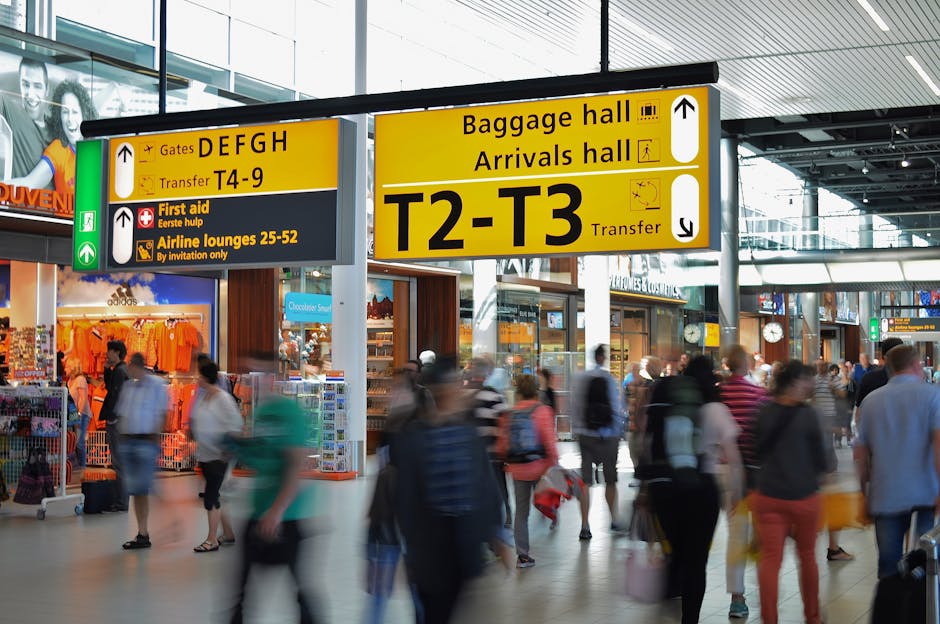
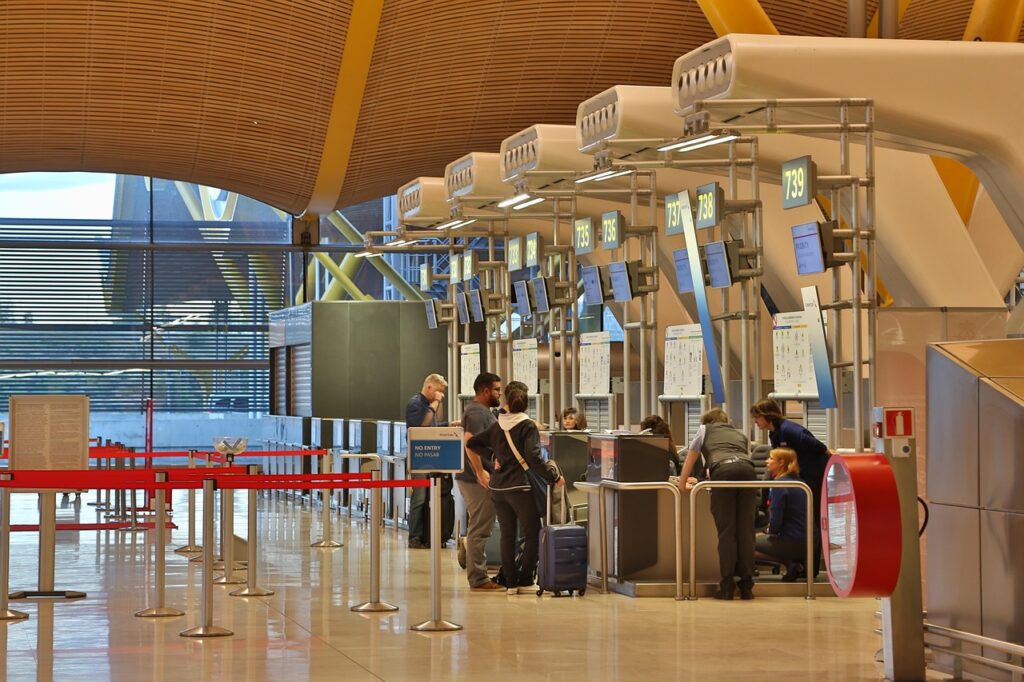
Geneva Airport (Geneva-Cointrin) is the most common entry point for tourists. Address: Geneva Airport, Route de l’Aéroport 21, 1215 Geneva, Switzerland. The arrivals hall has separate lanes: the green lane (Nothing to declare) and the red lane (Goods to declare). If you are carrying goods that exceed allowances or items subject to regulation, use the red lane and report to the Customs desk.
Opening hours: Customs services at Geneva Airport operate 24/7 for primary checks and surveillance. The detailed processing counters and Tax Refund desks are generally open from 06:00 to 22:00 (times may vary by operator). Example fees for services: tax-free processing typically costs around €6 to €15 per form, depending on the provider (Global Blue, Planet, etc.).
Cornavin Station (main train station): Place Cornavin 2, 1201 Geneva. For travellers arriving by train from France (Annemasse, Bellegarde) or other Swiss cities, checks may happen on board or when you disembark. The station has an information desk, but customs procedures are typically handled by mobile officers. If you have goods to declare, head to the main exit on arrival and ask for the customs desk; in practice it’s recommended to contact customs in advance if you’re carrying high-value items.
Road border posts: checks at border crossings between France and Switzerland near Geneva (for example Bardonnex / Saint-Geniès) are common. If you cross the border by car, have your receipts, invoices and proof of purchase ready. Officers may require immediate payment of duties or VAT if you exceed allowances.
- Local tip: Always prepare a paper or digital folder (receipts, signed tax-free forms, medical prescriptions) that is easy to access in your hand luggage to avoid long searches in controlled areas.
- Useful contact: Swiss Federal Customs Administration – Customer Service, official site: www.ezv.admin.ch (information is regularly updated).
2) What to declare: alcohol, tobacco, cash and personal allowances
Switzerland applies allowances for travellers arriving from abroad. For a visitor entering Switzerland via Geneva, here are the usual rules and quantities that trigger declaration:
- Alcohol: Travellers aged 17 and over can bring in, duty-free, roughly 1 litre of spirits (>18% vol.) or 2 litres of alcoholic beverages (wine/aperitifs) plus 1 litre of alcoholic drinks between 15–22% vol. Exceeding these quantities requires a declaration and duty payment. Example rates: combined duties and VAT can reach 20–40% of the value for some imported drinks — a notable extra cost if you’re bringing back prestige bottles.
- Tobacco: Typical allowance: 200 cigarettes or 250 g of smoking tobacco or 200 cigarillos (limits vary by age and origin). Exceeding this requires declaration and taxation. Officers often check unsealed packs or quantities that look commercially oriented.
- Cash and payment instruments: Anyone entering or leaving Switzerland carrying the equivalent of €10,000 or more (in cash, currencies, bearer securities) must declare it. You must complete the appropriate cash declaration form at a customs office. Failure to declare may lead to seizure of funds and investigations into their origin.
- Personal goods and gifts: Gifts and purchases for personal use are exempt up to certain limits. For example, souvenirs with a total value below a threshold (often around CHF 300–350, roughly €285–€330) may be exempt. Above that, you must declare and pay Swiss VAT (standard 7.7% for most goods) and possibly import duties.
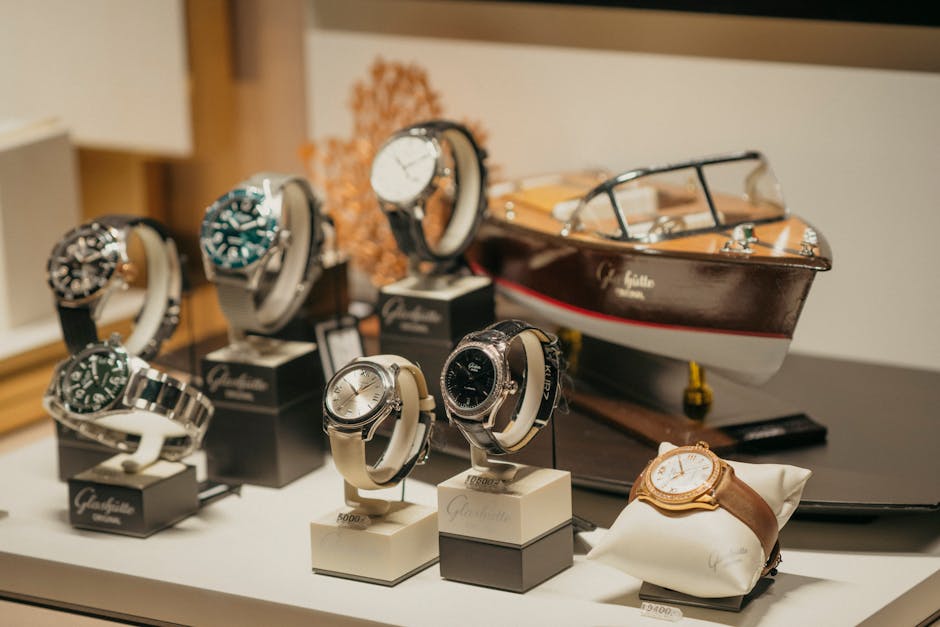
Practical example: if you buy a luxury watch in Geneva for €5,000, you must either export it properly by showing the export (tax-free) form or declare the watch at customs if you don’t follow export procedures. VAT refund will be calculated after the tax-free provider’s fees are deducted.
3) Prohibited items, medicines, pets and cultural objects: procedures and useful addresses
Certain products are strictly controlled or prohibited. Here’s an overview of sensitive categories and the steps to follow in Geneva:
- Medicines: Prescription medicines should be accompanied by the prescription and ideally a doctor’s note in English or French. For quantities exceeding personal use (generally >3 months) you need authorisation. If in doubt, go to the customs desk at Geneva Airport (Arrivals Hall, Terminal 1) or contact the Customs Service via their helplines.
- Pets: Dogs and cats from the EU require an EU pet passport and proof of rabies vaccination (valid). Rules vary for other countries; Geneva Airport has a veterinary post in the arrivals area for checks. Recommended veterinary clinic near the airport: Clinique Vétérinaire de Genève, Route de la Croix-de-Rozon 24, 1218 Le Grand-Saconnex (opening hours vary).
- Cultural objects and antiques: Some cultural goods (antiques, valuable works of art) require an export permit. If you buy a significant piece in a Geneva gallery, ask for the invoice, certificate of origin and, if needed, an export permit. Customs may request an expert appraisal; useful contact: Cantonal office for museums and protection of cultural property (inquiries via the Canton of Geneva).
- Foodstuffs: Animal-origin products (cheeses, meats, dairy) are subject to restrictions. Customs officers frequently check fresh products: if you bring culinary specialties from France, check ahead. It’s generally safe to carry sealed products bought in shops, but avoid fresh meats and certain unlabelled or unpasteurised cheeses.
Locally, if you are stopped and need to regularise a situation, go to the main Customs counter at Geneva Airport in the arrivals hall — open 24/7 for initial steps and often able to direct you to complementary services (veterinary, health inspection, expert appraisals).
4) Tax-free, VAT refunds and practical tips to save money
Many visitors take advantage of the tax-free system to bring purchases home VAT-free. In Switzerland the standard VAT rate is generally 7.7% for most goods. To claim a refund:
- Buy from shops that offer “Tax-free shopping” and request the refund form (Global Blue, Planet, Innova, etc.).
- Present the completed form, the original invoice and the goods at the customs desk when leaving via Geneva Airport (check whether validation is required in arrivals or departures depending on the control point). At the airport, validation counters are often located in the departures hall before check-in. Example address: Tax Refund Counters, Geneva Airport, Departures Hall, Route de l’Aéroport 21, 1215 Geneva — typically open 06:00–22:00.
- Fees: service providers charge handling fees; expect to pay between €6 and €15 per form, and the net refund depends on VAT amount and the fees applied.
Practical tips: keep items unworn and in their original packaging until validation; for bulky items like watches or electronics, present them at control to ease validation. If you fly from Geneva, arrive at least 2.5 to 3 hours before departure to allow time for tax-free procedures, which can be lengthy during peak hours.
Conclusion — Prepare your declaration for a smooth stay in Geneva
Traveling to Geneva means, as anywhere with strict customs rules, doing some smart preparation. Declaring what needs to be declared is not just a legal obligation: it also prevents stress, delays and unexpected costs. This guide has given you the essentials: where to go (Geneva Airport, Route de l’Aéroport 21, 1215 Geneva; Cornavin Station, Place Cornavin 2, 1201 Geneva), which categories of goods are sensitive (alcohol, tobacco, cash, medicines, food, cultural objects), and how to handle tax-free and specific authorisations. We’ve also stressed the importance of keeping invoices and certificates, and allowing extra time for checks — especially during peak periods and when exporting high-value items.
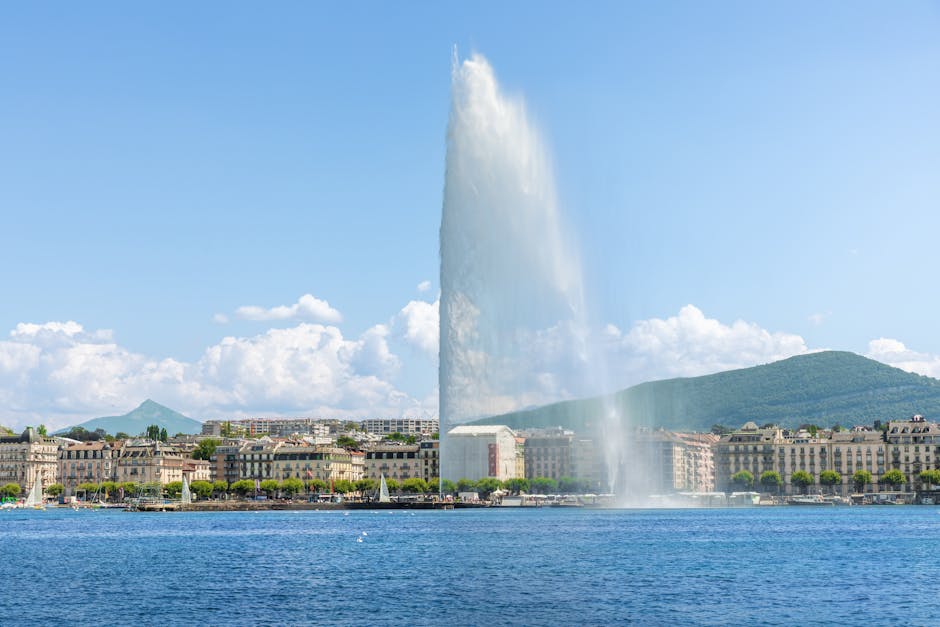
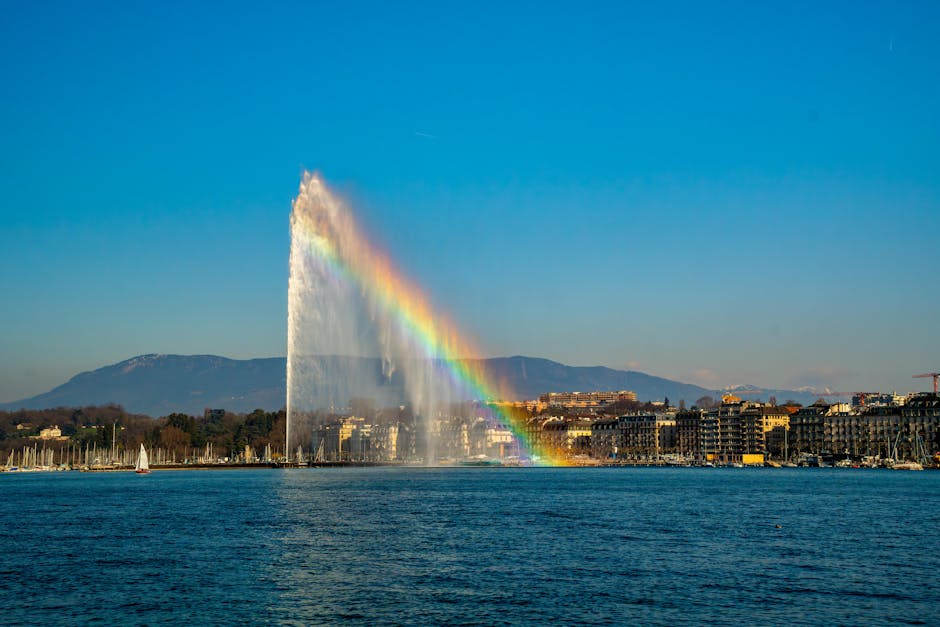
In practice: prepare a clear, accessible folder (paper invoices or digital copies, medical prescriptions, pet passports), check allowance quantities before you travel, and don’t hesitate to ask Customs officers at Geneva Airport or at the station for advice. If you’re unsure about large amounts of cash, declare them: transparency avoids seizure and legal complications. Finally, enjoy Geneva — its museums, Old Town, the Jet d’Eau and watch boutiques — knowing your customs formalities have been handled correctly. Have a great trip and a trouble-free stay in Geneva!