




Visa and entry rules for Geneva: the complete guide for every traveller
Introduction
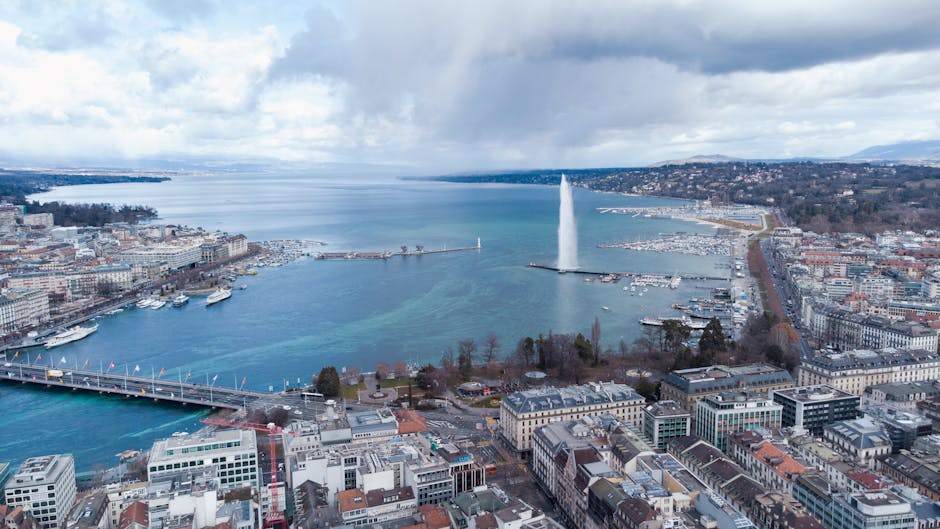
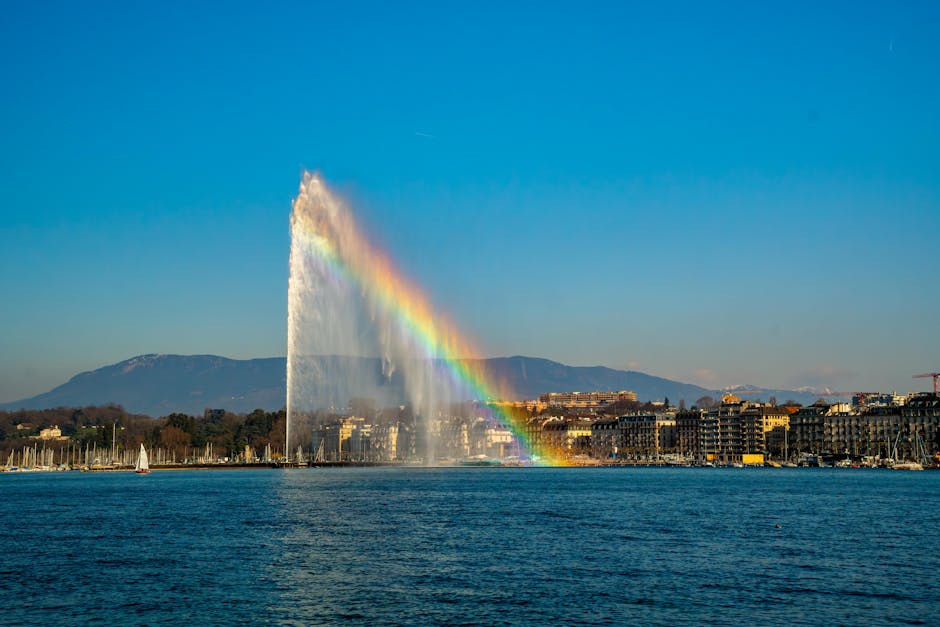
Heading to Geneva, the international city tucked on the shores of Lake Geneva, is within reach for many travellers — but it does require some precise admin prep. Whether you’re a tourist, business traveller, student or temporary resident, knowing Switzerland’s entry rules, the types of visas, the steps to take and where to go locally will save you time and headaches. This comprehensive guide focuses specifically on Geneva and its particularities: the international airport, main train stations, cantonal authorities, hotel transport cards, and practical tips for the offices where you’ll need to carry out formalities.
First things first: Switzerland is part of the Schengen Area but not a member of the European Union. Entry conditions therefore depend on your nationality, the length of your stay and the reason for your visit. EU/EEA nationals benefit from easier freedom of movement; citizens of many other countries must apply for a Schengen visa (short stays up to 90 days) or a Swiss national visa (long stays or specific purposes such as work or study).
In this guide you’ll find up-to-date practical information: exact addresses of the services to contact, typical opening hours, fees in euros for common visas and services, documents to prepare (passport, travel insurance, proof of accommodation, financial means), and local tips to speed up your process in Geneva. We also cover key connections: Geneva Airport (Genève Aéroport, Route de l’Aéroport 21, 1215 Genève), Geneva-Cornavin station (Place Cornavin 18, 1201 Genève) and the cantonal immigration services so you know exactly where to go if you need help.
Finally, this guide offers hands-on tips from the field: how to get the Geneva Transport Card provided free by most hotels, where to get certified copies and sworn translations, best times to avoid queues at counters, and how to convert Swiss rates to euros to better budget your trip. The information here aims to give you a clear roadmap for a smooth stay, whether your visit is short or long.
1) Understanding visa types and who needs them
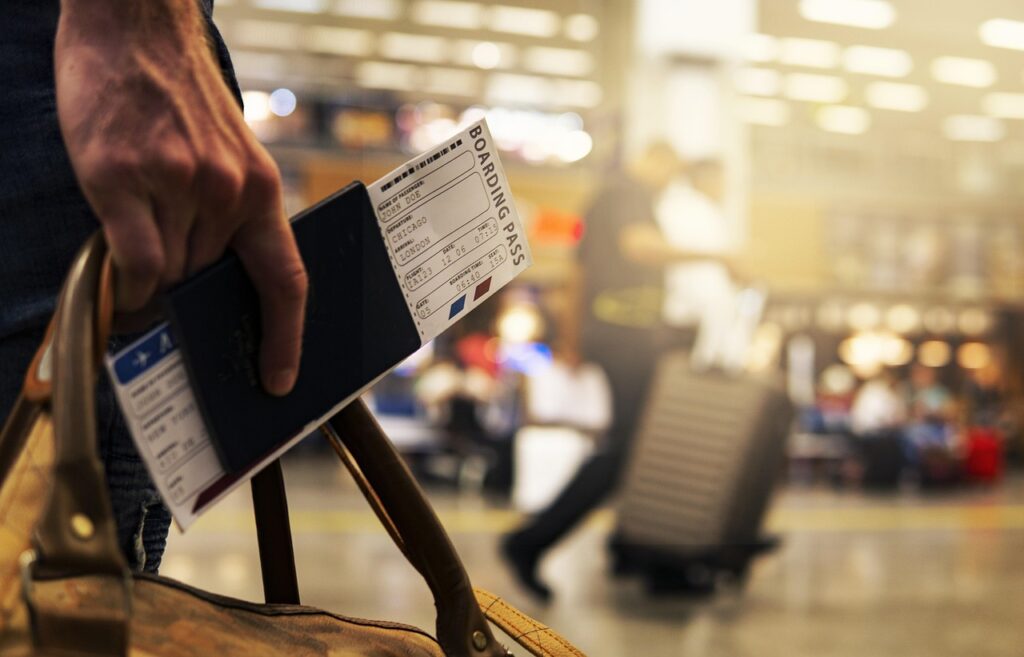
There are two main visa categories for travelling to Geneva: the short-stay (Schengen, category C) visa and the long-stay (national, category D) visa. The Schengen C visa is intended for tourism, family visits or business trips lasting less than 90 days within a 180-day period. The standard fee for a Schengen visa application is €80 for adults and €40 for children aged 6 to 12; children under 6 are generally exempt. These amounts should be confirmed when you submit your application as fees can change.
The national D visa is for people who plan to work, study or settle for a longer term. Procedures take longer and often involve a prior work permit or admission issued by the Swiss employer or educational institution. For a D visa, fees vary widely by category, but you can expect roughly €100–150 on average for administrative costs, plus any additional consular fees for certificates and fingerprinting.
Local tip: first check whether you’re visa-exempt based on your nationality. Citizens of the European Union, EFTA and some other countries can enter without a visa and register directly with the Canton of Geneva once on site. In that case, go to the Canton of Geneva Population Service (see dedicated section) with your passport or ID card, employment contract or proof of enrolment if applicable.
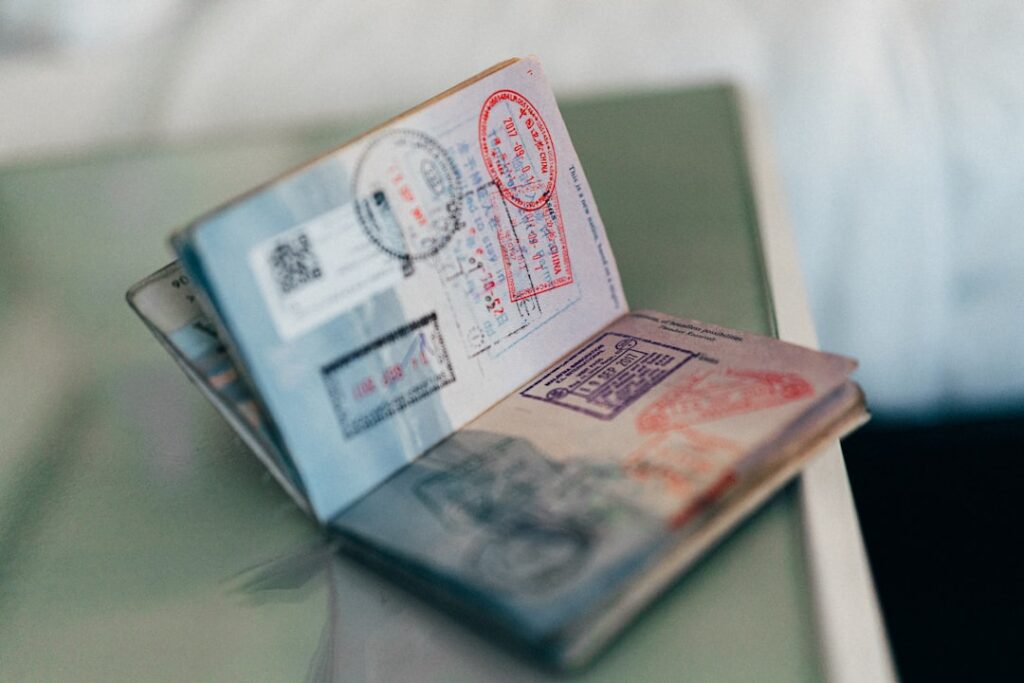
2) Where to carry out formalities in Geneva: addresses and practical hours
For any local formalities in Geneva, it’s helpful to know the key locations:
- Geneva Airport – Route de l’Aéroport 21, 1215 Genève: international airport open 24/7. The information and immigration desk is located in the arrivals hall; expect short queues depending on the time of day.
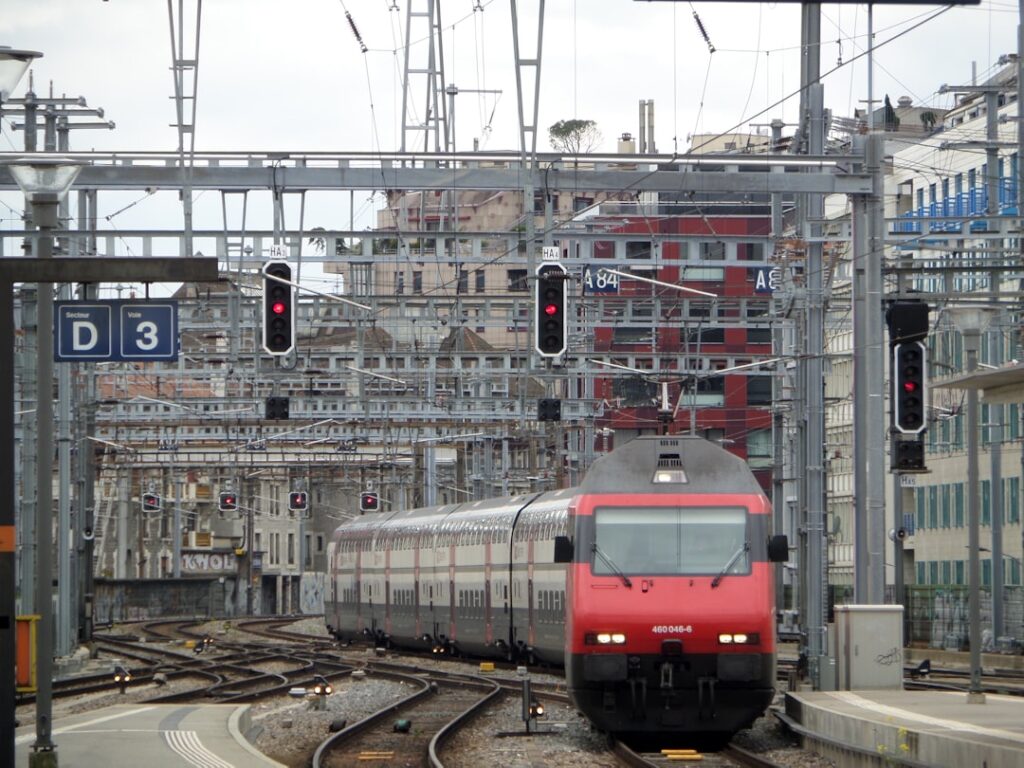
- Geneva-Cornavin Station – Place Cornavin 18, 1201 Genève: the city’s main rail hub, with direct links to France and the rest of Switzerland. Many rail companies and agencies offer information about customs formalities and regional tickets. Opening hours: typically 05:00–00:30.
- State Secretariat for Migration (SEM) – Hirschengraben 82, 3003 Bern, Switzerland: the federal authority in charge of migration policies. National visa (D) procedures go through federal and cantonal services. Standard office hours: Monday to Friday, 08:00–12:00 and 13:30–17:00.
- Canton of Geneva Population and Migration Service – Rue de l’Hôtel-de-Ville 4, 1204 Genève: for resident registrations, B permits, L permits and cantonal procedures. Recommended hours: 08:30–12:00 and 13:30–17:00 on weekdays; it’s best to book an appointment online to save time.
Tip: many cantonal offices now require an appointment. Walk-in queues can exceed 2 hours, especially in the morning. Use the official Canton of Geneva website to book your slot and download any required forms.
3) Required documents, insurance and financial proof
Getting your paperwork in order is crucial. For a Schengen visa (short stay), the standard documents are:
- A valid passport (valid for at least 3 months after the planned departure date, with two blank pages).
- Completed and signed application form (available on the embassy or visa centre website).
- Two recent passport-style photos that meet ICAO standards.
- Travel insurance covering medical expenses and repatriation for a minimum of €30,000. Insurance certificates must be in English, French or German and indicate the coverage dates.
- Hotel reservation or proof of accommodation (full address, host name). For example, a booking at “Hôtel Métropole Genève, Quai du Mont-Blanc 17, 1201 Genève” or private accommodation evidence.
- Proof of financial means: bank statements for the last three months, payslips or a sponsorship letter if someone else finances the trip. Requirements vary: a commonly suggested minimum is about €50 per day, but this can be higher depending on length and purpose of stay.
- Return flight ticket or proof of onward travel reservation.
For D visas (long stay) and work permits you’ll need additional specific documents: employment contract, university enrolment confirmation, criminal record extract, medical certificates and sometimes sworn translations. Certified translations and certified photocopies can be done at specialised services in Geneva, such as “Translation Service – Rue du Marché 12, 1204 Genève” (check local providers and fees: roughly €30–80 per page for a sworn translation).
4) Arrival in Geneva: customs, transport and practical tips
Your arrival experience in Geneva will depend on your entry point. At Geneva Airport (Route de l’Aéroport 21, 1215 Genève), controls are split between “Schengen” and “Non-Schengen” lanes. If you have a valid Schengen visa or are visa-exempt, you’ll usually clear controls within minutes. If there’s uncertainty about your status, customs officers or cantonal police may ask to see your full documentation.
Transport and costs: Geneva’s public transport network is efficient. A single urban zone ticket costs roughly €3.00 (approximate conversion from Swiss francs). Most hotels provide the free “Geneva Transport Card” for the duration of your stay — request it at reception when you check in. Taxis from the airport to the city centre (Rue du Rhône, Place du Molard) typically cost between €30 and €45 depending on time and traffic.
Local tips: always keep a paper copy of your passport and visa in a different bag; scan documents and email them to yourself. If you need to extend your stay or apply for a permit, book an appointment quickly with the Canton of Geneva Population and Migration Service (Rue de l’Hôtel-de-Ville 4, 1204 Genève). Post offices and some bookstores in town offer photocopying and registered posting services for official documents (about €1–3 per copy).
Other useful services: for consular matters, contact your country’s embassy or consulate; for visa information contact the nearest Swiss embassy (for example, Embassy of Switzerland in France, 142 Rue de Grenelle, 75007 Paris, office hours 09:00–17:00). Outsourced visa application centres (VFS Global, TLScontact) may be used depending on your country of residence.
Conclusion
Preparing for formalities in Geneva requires close attention to required documents, the addresses of competent authorities and opening hours at counters. Knowing the difference between a Schengen short-stay visa (C) and a national long-stay visa (D), arranging adequate travel insurance and providing proof of accommodation and financial means are essential steps. In Geneva, Geneva Airport (Route de l’Aéroport 21, 1215 Genève) and Geneva-Cornavin station (Place Cornavin 18, 1201 Genève) are major entry points where smooth processing often depends on the traveller’s preparation.
For local formalities, the Canton of Geneva Population and Migration Service (Rue de l’Hôtel-de-Ville 4, 1204 Genève) and the State Secretariat for Migration (Hirschengraben 82, 3003 Bern) are your main contacts. Remember to book appointments, check current fees (Schengen visa ~€80 adult, €40 child), and ask your hotel for the Geneva Transport Card to get around cost-free. Finally, keep paper and digital copies of all documents, choose off-peak hours for counter visits, and when in doubt contact your embassy or consulate for personalised advice.