





Introduction — Geneva Without Surprises: What to Avoid Around the Lake and Old Town
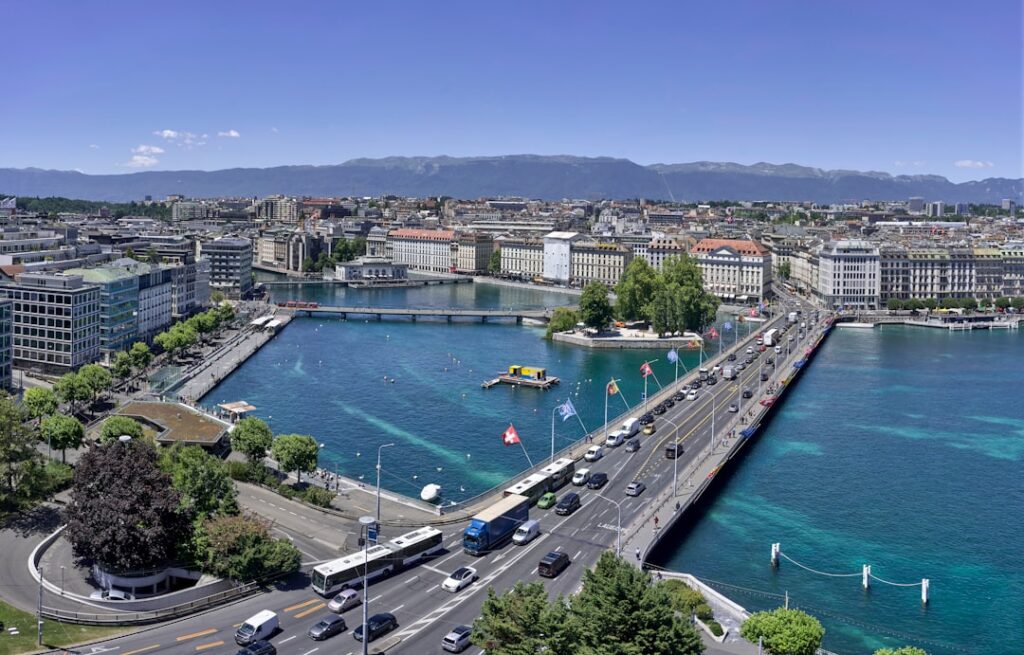
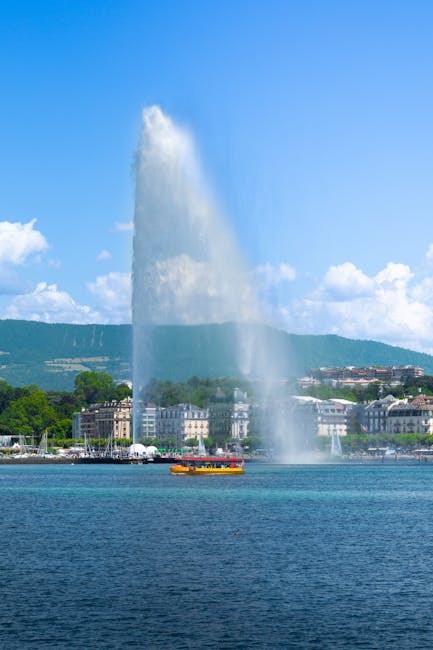
Geneva impresses with its lakeside setting, historic façades and international institutions. From the Jet d’Eau shooting up in the middle of Lake Geneva to the winding lanes of the Old Town, visitors can have unforgettable moments — provided they anticipate a few common pitfalls. This guide aims to give you practical, no-nonsense advice to visit Geneva “without surprises”: where to avoid tourist traps around the lake, which streets in the Old Town are busiest and priciest, how to plan for museum, boat and restaurant costs, and what local behaviours to respect.
The city is generally safe but significantly more expensive than many European destinations. Prices shown here are in euros to make comparisons easier for most visitors. You’ll also find specific details: exact addresses, typical opening hours and realistic price ranges (2024 prices rounded in euros). These tips will help you plan your days around the lake (Quai du Mont-Blanc, Quai Gustave-Ador, English Garden) and in the Old Town (Place du Bourg-de-Four, Rue du Rhône, St. Pierre Cathedral), while avoiding tourist traps, needless queues and surprise expenses.
Expect concrete advice: which lakeside walks are worth it, which tourist boats to skip, where to eat without getting ripped off, how to use the unireso public transport system (trams, buses), and the best times to visit monuments to avoid waiting. The guide also includes recommendations for specific sites (with addresses) and price indications in euros so you can compare and make informed choices. Finally, local tips will help you spot small scams or poor practices (menus without prices, vaguely explained “mandatory” tips, pushy sellers near attractions).
Pitfalls to Avoid Around the Lake: Restaurants, Tourist Boats and Markets
The shores of Lake Geneva (Quai Gustave-Ador, Quai du Mont-Blanc, English Garden) are undeniably postcard-perfect, but they’re also where prices spike and services are often aimed at the hurried tourist. First rule: be wary of lakeside restaurants with terraces whose dishes carry very high prices that don’t always match the quality. For example, a main course listed as “fish of the day” at a lakeside restaurant might be priced 28–45 EUR, while the same dish a five-minute walk away could cost 18–25 EUR. Watch out for vague “tourist” menus that don’t specify portion size or ingredient origin.
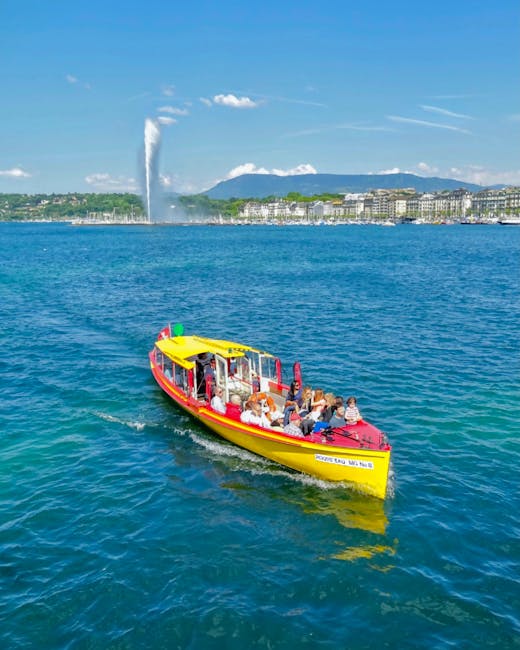
Tourist boats are another common trap. Commercial cruises from the main pier (Port Noir / Mont-Blanc Pier) often offer one-hour guided tours for 15–20 EUR (average: 16 EUR for a short ride). For a more authentic and budget-friendly experience, favour the Mouettes genevoises (local water taxis): a single unireso ticket costs about 3.00 EUR and lets you cross the lake like a local — often a more interesting experience than flashy express boats. If you want a longer cruise, compare options: the Lemanic Panorama cruise can climb to 25–35 EUR for 1.5–2 hours; also look for combined passes that include a museum and a boat trip.
Markets around Quai du Mont-Blanc and the English Garden (often souvenir stalls and artisans) can yield nice finds, but beware of “special offers” that vanish after you’ve paid. Many stands sell mass-produced goods at inflated prices. Tip: take time to compare several stalls and haggle politely — there is usually some room for negotiation, especially outside the high season. Also beware of photography scams: some street artists or photographers may take your picture and then demand a tip without having stated a price. Always ask for the fee upfront before agreeing.
Pitfalls in the Old Town: Lines, Paid Visits and Shops
Geneva’s Old Town concentrates many must-see sites but also draws quick-stop tourists: Place du Bourg-de-Four, St. Pierre Cathedral (Place du Bourg-de-Four, 1204 Geneva), Maison Tavel (Rue du Puits-Saint-Pierre 6, 1204 Geneva) and the shopping alleys that climb toward the cathedral. The first mistake is trying to see everything in a single morning: the area is dense and its narrow lanes can be crowded at peak times (10:00–14:00 and 16:00–18:00). Plan ahead: start early (or late afternoon) to avoid most tour groups.
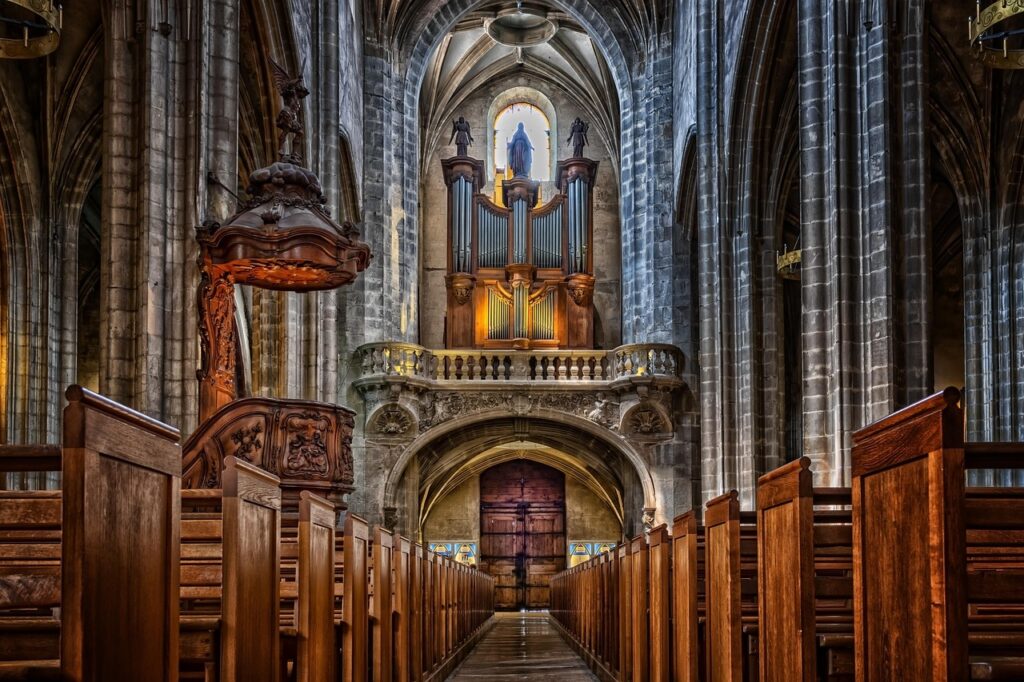
Regarding St. Pierre Cathedral: the church itself is free to enter, but access to the archaeological museum and the underground archaeological site, as well as the climb up the bell tower for the view, are paid. Indicative fee: bell tower climb and archaeology about 5.00 EUR. Maison Tavel, the city history museum, charges around 6–8 EUR (Rue du Puits-Saint-Pierre 6, usually open 10:00–17:00, sometimes closed on Mondays). The History of Science Museum and some small galleries also charge entry; check opening times (often 10:00–17:00) because many close early.
For souvenirs, Rue du Rhône and its luxury shops are famous but very expensive. Around Place du Molard and Rue du Marché you’ll find more tourist-oriented shops; compare before you buy. Another trap: restaurants in small squares (Place du Bourg-de-Four) may offer set menus without clearly stating taxes or service; check the bill — prices might not include service (although tipping isn’t mandatory in Switzerland, a 5–10% tip is appreciated). Also, many places accept cards but may prefer payment in Swiss francs: check possible conversion fees your bank may charge.
Transport, Tickets and Money-Saving Tips: Trams, Buses and Getting Around
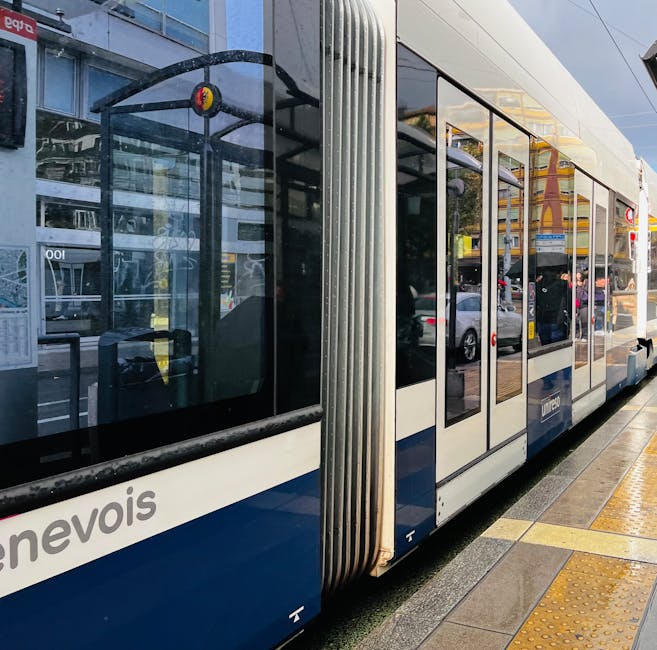
Getting around smartly in Geneva avoids many budget surprises. The unireso network covers trams, buses and the Mouettes: a standard zone 10 ticket (city) costs about 3.00 EUR for a single trip (valid 60–80 minutes depending on connections). For a full day, consider a 24-hour pass at around 8–10 EUR if you expect to make more than two journeys. Important: many hotels give guests a Geneva Transport Card free of charge for the length of the stay — ask reception (handy to avoid buying single tickets).
Taxis are expensive: a minimum pickup is roughly 6–8 EUR and per-kilometre fares run 2–4 EUR depending on the time; a ride from the airport (Geneva Airport, Route de l’Aéroport 21, 1215 Geneva) to downtown can cost 25–40 EUR depending on traffic. Use taxis for late-night trips or if you have heavy luggage; otherwise prefer the train or tram (line 10, Léman Express/TER depending on destination). Public bikes (Geneva à vélo / Genève Roule) and electric scooters are available but check zones and pricing: average rental is 1–2 EUR for the first half hour, then rates rise progressively.
Another tip: book guided tours or museum tickets online to skip queues and sometimes get a 1–3 EUR discount. Museums like the Musée d’Art et d’Histoire (Rue Charles-Galland 2, 1206 Geneva) sometimes offer reduced rates for advance bookings and free-entry days; check official sites for these opportunities. For boat travel, favour regular commuter services rather than packaged cruises if your goal is simply to cross or enjoy the waterside view: a one-way Mouette costs the same as a unireso ticket (≈3.00 EUR), while guided tours can be 15–25 EUR.
Practical Tips, Safety and Local Etiquette
Geneva is cosmopolitan with relatively formal social rules. First tips: dress appropriately for certain places (religious services expect decent attire), and speak quietly indoors — locals value discretion. French is the dominant language, but English is widely understood in tourist areas. On safety, the city is fairly secure: still, pickpockets do operate in busy spots (Quai du Mont-Blanc, Old Town, train stations). Keep your wallet in a zipped pocket and avoid showing valuables on crowded terraces.
About tipping: it’s not obligatory. Restaurant prices often include VAT and a basic service charge; leaving 5–10% for notably good service is appreciated. For everyday small purchases, prefer contactless card payments when possible: most shops accept Visa/Mastercard. Still, carry a bit of cash in euros or Swiss francs for small market purchases and tips. Always check whether ATMs accept your card and compare bank fees — many banks charge a commission for withdrawals in Switzerland.
Finally, respect the environment and the city’s cleanliness: fines are enforced for littering and improper cigarette disposal. If you rent a bike or scooter, park it correctly: fines for illegal parking can reach 20–40 EUR. In an emergency call 112 (European emergency number); for non-urgent issues contact the Cantonal Police (Rue de la Croix-Rouge 2, 1205 Geneva). By planning visits around local opening times (museums often 10:00–17:00, shops sometimes closed between 12:00 and 14:00 or early on Sundays) you’ll avoid disappointments.
Conclusion — Enjoy Geneva Without Unpleasant Surprises
Visiting Geneva can be hugely rewarding if you know where to go and, importantly, what to avoid. Around the lake and in the Old Town, the most common pitfalls relate to price (restaurants and tourist activities), time management (queues, closing times) and mobility (expensive taxis, wrong ticket choices). By following a few simple rules — compare before you buy, favour public transport and the Mouettes to cross the lake, book online when possible, and visit early or late to dodge crowds — you’ll greatly reduce unwelcome surprises.
Key takeaways: always check posted prices (ask for the menu and terms), check museum and site opening hours (St. Pierre Cathedral, Maison Tavel, Patek Philippe Museum if you plan to go), use the transport card provided by your hotel or buy a day pass if you’ll make several trips, and be cautious of overly pushy offers on the quays or at markets. Also keep in mind that Geneva is inherently costly: budget higher than you might for an average European capital.
And leave room for positive surprises: a sunset stroll along Quai Gustave-Ador, a quiet coffee tucked away in an Old Town lane, or a Mouette crossing that gives you unbeatable views of the Jet d’Eau. Follow the tips in this guide and you’ll be able to enjoy Geneva — its museums, lakeside scenery and historic heritage — without being caught off guard by extra costs or long waits. Safe travels and enjoy discovering Geneva, a city both international and intimate.