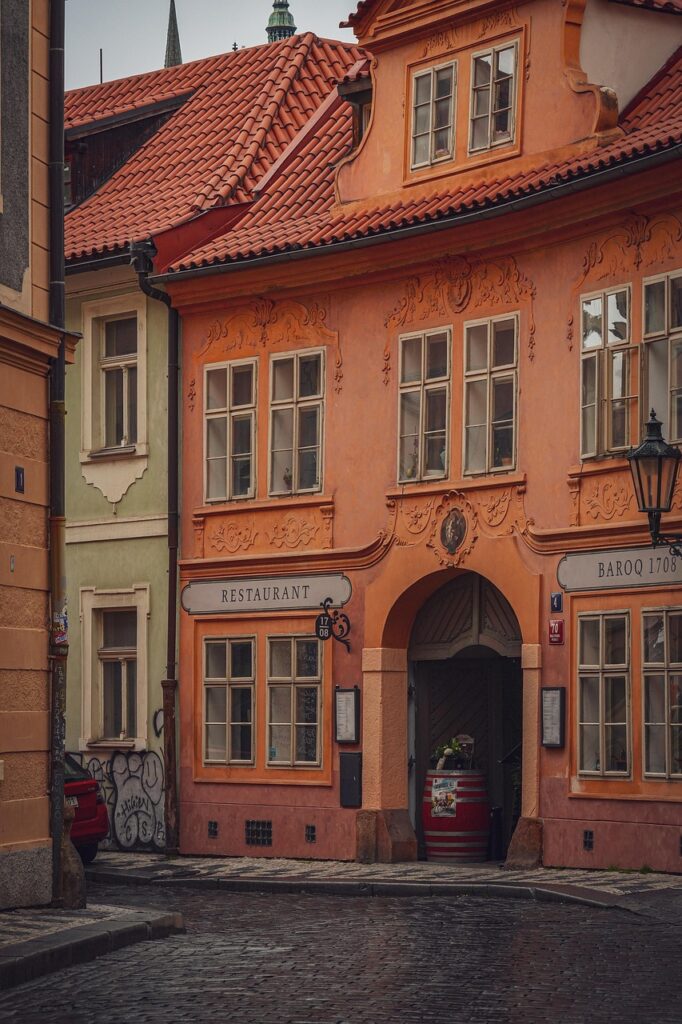






Introduction — History and Mysteries: Geneva’s Secret Alleyways in the City Centre
At the heart of Geneva, tucked beneath the gloss of international banks and the comings and goings of yachts on Lake Geneva, lies a network of alleys, passageways and courtyards that tell centuries of stories. These secret alleyways in the city centre don’t always appear on standard tourist maps: they reward slow footsteps, a curious eye, and sometimes the courage to push through an unassuming door and discover an inner courtyard, a memorial plaque, a carved façade or an unexpected vista. This guide offers an immersive dive into Geneva’s winding lanes, with detailed descriptions, exact addresses, opening hours, prices in euros and practical tips to explore them safely and enjoyably.
Geneva’s Old Town is more compact than many European capitals, but it packs an impressive heritage. Between St Peter’s Cathedral, medieval squares and patrician houses, every cobble has a tale to tell. Religious, commercial and political histories intertwine here: Calvin and the Reformation, 16th-century merchants, watchmakers and printers have all left tangible traces. Wandering these alleys reads like an urban novel where every corner turns a new page — a sundial, a wrought-iron sign, a mullioned window, a spiral staircase leading to an unexpected panorama.
This guide keeps a practical, professional tone while staying immersive. You’ll find directions to the main sites to visit — St Peter’s Cathedral (Cour Saint-Pierre 6, 1204 Geneva), Maison Tavel (Rue du Puits-Saint-Pierre 6, 1204 Geneva), Place du Bourg-de-Four (1204 Geneva) — with typical opening times, indicative prices in euros (where applicable) and local tips to make the most of your walking route. These secret alleys change with the seasons: golden autumn light on the stones, quiet winter mornings, or summer terraces alive with conversation. The guide also explains how to combine these discoveries with foodie stops, lakeside viewpoints and visits to modest but essential museums.
Finally, exploring these secret lanes requires a bit of preparation: comfortable shoes, an offline map or app, and respect for residents. Some entrances are narrow, others may be closed in the evening or reserved for private events. We list opening times and prices in euros when relevant, but note that tariffs can change — check official sites before you go. Be ready to get intentionally lost: the reward is often a suspended view of the Jet d’Eau, a sunny bench in a private courtyard, or a façade detail that hints at the lives that passed through these places.
Old Streets and Squares: Essential Old Town Routes
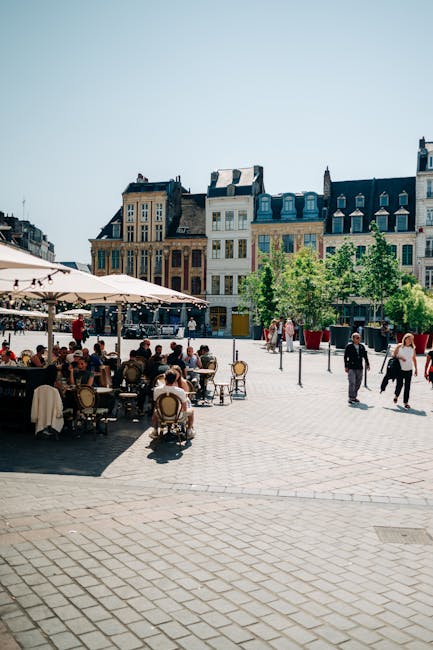
Start your exploration in the historic core: the Place du Bourg-de-Four (1204 Geneva) is Geneva’s oldest public square, a medieval crossroads lined with cafés and historic signs. It’s a perfect starting point to slip into the adjoining alleyways. Take time to study façades, carved house numbers and old stones. The square is open 24/7, and café terraces are usually active from 08:00 to 22:00 on weekdays, often later on weekends. Indicative price: a coffee typically costs around €3.00–€4.50 depending on the café.
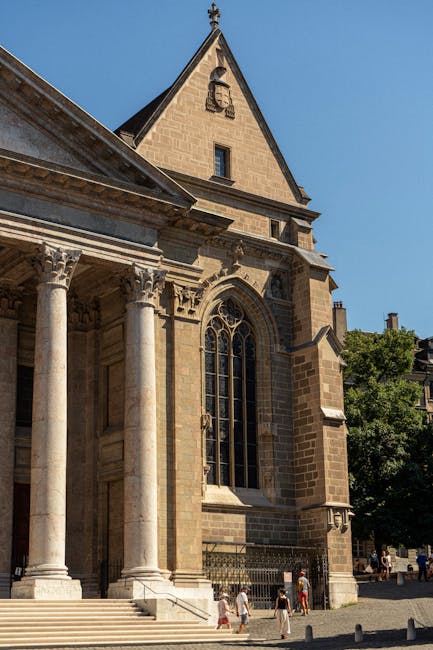
From there, make your way up to St Peter’s Cathedral (Cour Saint-Pierre 6, 1204 Geneva). The cathedral welcomes visitors most days from 07:00 to 19:00; to access the towers and the archaeological site, ticketing is around €5.00 (indicative) to climb the south tower and enjoy panoramic views over the Old Town and the lake. Visits to the archaeological site and the cathedral museum may be included depending on temporary exhibitions. Inside, the atmosphere is sober but full of history — the pulpit of the Reformation and Roman remnants invite contemplation.
Next, follow the picturesque Rue du Puits-Saint-Pierre, a small cobbled street home to the Maison Tavel (Rue du Puits-Saint-Pierre 6, 1204 Geneva). Maison Tavel is a museum of urban history: permanent exhibitions are often free, but some temporary shows may require a ticket around €6.00–€8.00. Typical opening hours: Wednesday–Sunday 10:00–17:00 (check ahead). Inside, reconstructed interiors and a scale model of Geneva provide valuable context to understand the historical topography that shaped narrow lanes and enclosed courtyards.
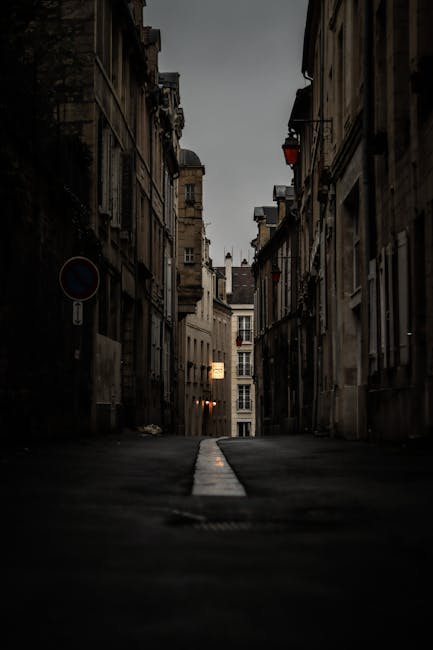
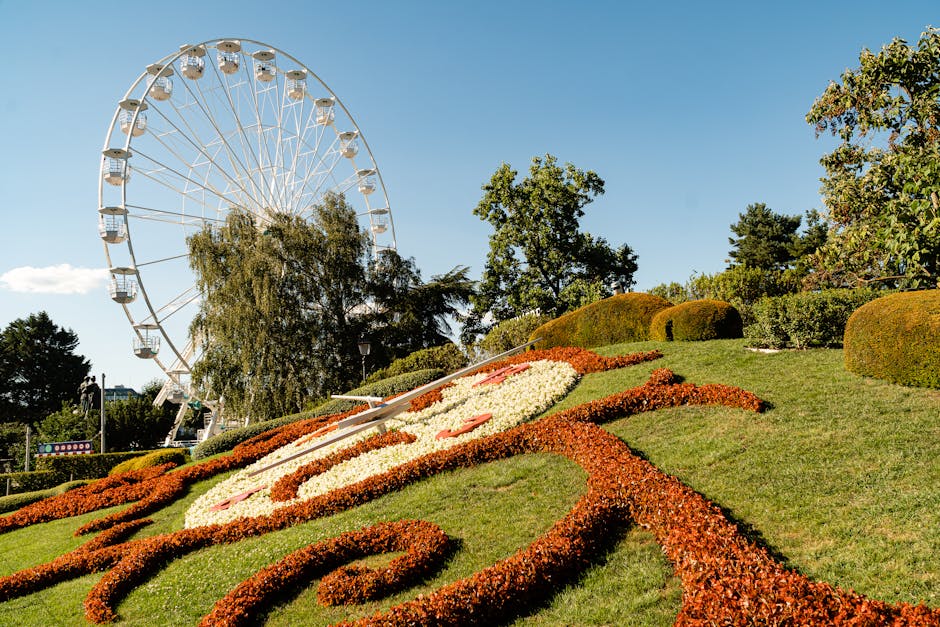
Don’t miss Rue des Barques and Rue de la Cité: these streets retain alcoves and houses with mullioned windows, sometimes adorned with old studded doors. They’re especially photogenic in the late afternoon when the warm stone catches the light. Local tip: avoid the Old Town at peak tourist times (10:30–15:30) if you’re after calm and architectural details. For a break, head to the English Garden (Quai du Général-Guisan 28, 1204 Geneva) where you’ll find the iconic Flower Clock; it’s free and pleasant to visit any time of day.
Secret Passages and « Traboules »: Discover Courtyards and Arches
Geneva’s « traboules » aren’t as famous as Lyon’s, but the city has its own passageways and inner courts that once served as shortcuts for merchants and craftsmen. Look for small numbered doors that open onto hidden courtyards: you’ll find them on streets like Rue du Rhône (Rue du Rhône 20–40, 1204 Geneva) on the fringes of the Old Town, or more intimately in the Saint-Gervais quarter. These little doors can lead to galleries with spiral staircases, wells or carved lintels.
A notable spot is the cluster of narrow lanes around Rue des Granges (Rue des Granges 1–30, 1201 Geneva), where arcades and artisan workshops hide away. Take the time to brush the walls — many gateways still bear iron rings, remnants of where horses and carts were once tied. These places often function like tiny villages: homes, small businesses and workshops share a common courtyard that sometimes hosts pop-up exhibitions or artisan markets.
One lesser-known Geneva fact: some patrician houses contain private passages created to shelter people from the weather and to handle discreet deliveries. These routes are often identified by a carved key or a subtle municipal plaque. Respect people’s privacy: while many courtyards are open to the public, others are strictly private — look, don’t force your way in. If you’re keen on interior architecture, the Maison Tavel gives a good introduction to how these urban spaces were historically used.
Practical tips: on rainy days these passages make romantic, photogenic shelters; for photography, use fast lenses to capture details in low light. In the evening some passages are lit to create a special atmosphere — however, access may be limited after 22:00. Guided walking tours (around €20.00–€25.00 per person) are sometimes run by local associations and are worth joining if you want historical anecdotes and interpretation keys.
Quiet Monuments, Museums and Unexpected Viewpoints
Beyond the alleys, Geneva’s city centre hides small museums and viewpoints that many visitors miss. The Museum of Art and History (Rue Charles-Galland 2, 1206 Geneva) is a major institution, but some lesser-known sections, like the applied arts collections, offer a deep dive into everyday objects from past centuries. Typical hours: Tuesday–Sunday 10:00–17:00, closed Monday; adult admission around €10.00 (check the official site for temporary exhibitions).
For a panorama less crowded than the cathedral tower, climb the slopes around Parc des Bastions (Promenade des Bastions 1, 1205 Geneva). Famous for the Reformation Wall, its shaded paths and benches offer multiple spots to glimpse the rooftops of the Old Town and the lake beyond. Access is free, generally open from 07:00 to 21:00 depending on the season. Nearby, the Bibliothèque de Genève holds heritage collections available by appointment.
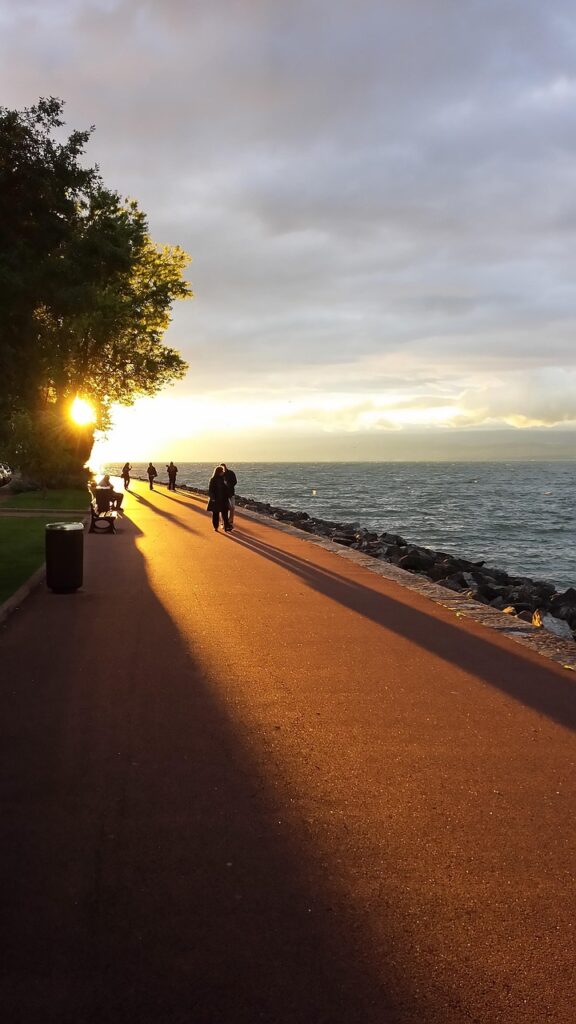
A recommended chill stop: the Bains des Pâquis (Quai du Mont-Blanc 30, 1201 Geneva) are a local favorite. People come to swim, enjoy the sauna, or simply sit on the pier. Access to the quay and swimming is free; services such as the sauna or the restaurant have fees: sauna around €6.00–€8.00, a simple dish at the restaurant €10.00–€18.00. Hours vary, often 07:00–23:00 for the quay with reduced hours for some services; check seasonality and holidays.
Also consider the Quartier des Grottes and more modern zones where urban planning creates visual breaks with the Old Town. These contrasts provide striking photographic angles: are you drawn to medieval stone or the contemporary geometry of renovated quays? For watchmaking enthusiasts, a stroll along Rue du Rhône reveals historic shopfronts and luxury displays — prices are outside the scope of this guide, but the walk itself is worthwhile for observation and architectural details.
Practical Tips, Recommended Routes and Respecting the Heritage
Walk whenever possible: the city centre is compact and many streets are pedestrian. Wear closed, comfortable shoes: old cobbles, stone steps and uneven surfaces are the norm. Bring a paper map or an offline app (OpenStreetMap, Maps.me) because mobile reception can be patchy in narrow courtyards. Practical hours: the Old Town is quietest early in the morning (07:00–09:30) and in the late afternoon (17:00–19:30). Most museums and main monuments open between 10:00 and 11:00 and close between 17:00 and 18:00, though some stay open later on Wednesdays or Thursdays.
- Short route (2–3 hours): Start at Place du Bourg-de-Four → St Peter’s Cathedral (Cour Saint-Pierre 6) → Maison Tavel (Rue du Puits-Saint-Pierre 6) → Pass through Rue des Barques → Break at the English Garden (Quai du Général-Guisan 28).
- In-depth route (full day): Add the Museum of Art and History (Rue Charles-Galland 2) in the morning → wander Rue des Granges and the passageways → Lunch at Bains des Pâquis (Quai du Mont-Blanc 30) → Afternoon at Parc des Bastions (Promenade des Bastions 1) and explore small exhibitions.
- Night-themed route: Walk after dusk to see cathedral and alley lighting; some cafés stay open late (until 23:00) and create an intimate atmosphere.
Respect the place and its residents: avoid climbing on ledges, don’t leave litter and keep noise to a minimum in courtyards where families live. Photography is generally allowed in public spaces, but be cautious in private courtyards and ask permission if you want to photograph people. For guided tours, look for certified local operators; independent guides typically charge €20.00–€45.00 for specialized tours (2–3 hours).
Budget-wise: many Old Town discoveries are free (alleys, squares, parks). Set aside funds for a few museum entries and guided tours (roughly €10.00–€25.00 per visit). Cafés and restaurants in the centre can be pricey: a simple meal often costs €12.00–€25.00, while a cup of coffee is €3.00–€4.50. Public transport (TPG) covers the centre well; a single ticket is about €3.00 and may be included with your flight or hotel — check if your accommodation provides a complimentary Geneva Transport Card for visitors.
Conclusion — Between History, Silence and Surprises
The secret alleyways of Geneva’s city centre offer a dense urban narrative where every turn can reveal a forgotten story, a restored façade or a private courtyard where time seems to slow. Here, history is written in stone, lintels and shop signs; the city invites you to slow down. By following the suggested routes and respecting opening times and local etiquette, you’ll uncover iconic spots like St Peter’s Cathedral (Cour Saint-Pierre 6, tower entry around €5.00), Maison Tavel (Rue du Puits-Saint-Pierre 6, permanent entry often free), and popular places such as Bains des Pâquis (Quai du Mont-Blanc 30) and Parc des Bastions (Promenade des Bastions 1).
Exploring the Old Town also means accepting uncertainty: some passages may be closed for restoration or private events. That’s why it’s wise to check museum and service hours (Museum of Art and History, Rue Charles-Galland 2, indicative fee €10.00) before you set out. For a richer experience, consider a themed guided tour that provides context and anecdotes, or simply let your feet lead you while respecting residents and heritage. Geneva rewards those who take the time: a sunny terrace on Place du Bourg-de-Four, a ray of light slicing through a narrow lane, or the calm of a flowered courtyard.
Beyond monuments, it’s the voices of past and present generations that give these alleys their substance: artisans, traders, monks and anonymous citizens have shaped a complex urban fabric. Plan a full day if you want to dig deep, or a few hours to capture the essence. Whatever your level of exploration, be open to surprise, follow local rules, and enjoy the meeting of heritage and contemporary life: Geneva will reveal its secrets to you, one paving stone at a time.