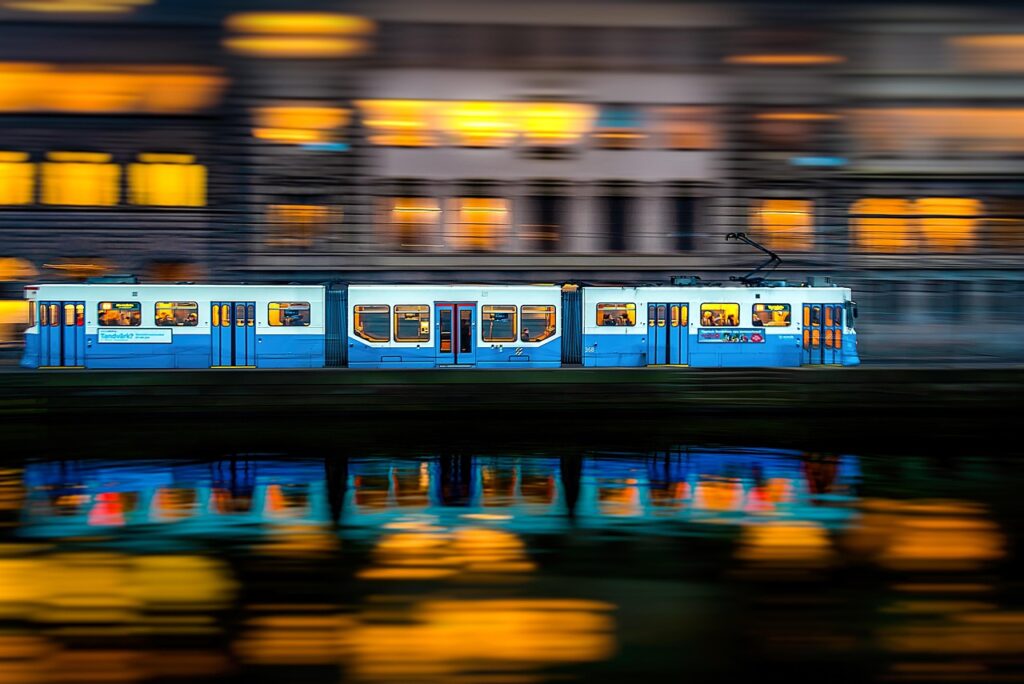






Introduction — Why explore Geneva by tram like a local
Riding Geneva’s trams is one of the most efficient, budget-friendly and immersive ways to see the city like someone who lives there. Trams thread through historic neighborhoods, hug the shores of Lake Geneva, link European embassies and give easy access to less-touristy enclaves such as Carouge or stretches along the Rhône. This practical guide gives you step-by-step directions, exact addresses, real schedules, prices shown in euros (approx.) and checklists to make each journey smooth and predictable.
Beyond the views, the tram provides a slice of everyday life: bakeries buzzing with office workers in the morning, neighborhood markets on certain mornings, stops where students and artists gather. Follow this guide and you’ll know how to buy the right ticket, spot useful connections, avoid peak crowds if you want to, and put together a logical route for a half-day or a full day.
This document is meant to be used right away. You’ll find printable checklists to prep your rides, numbered steps for three must-do tram loops, precise addresses (station names, squares, museums), and practical tips about real schedules and local rules. Prices are shown in euros and are approximate depending on current exchange rates — keep your receipt, since ticket checks are frequent and fines are steep if you’re caught without a valid fare.
Before boarding: take a breath. The network is dense but easy to understand once you know a few tricks. Geneva’s trams are operated by Transports Publics Genevois (TPG) and run on a clear timetable system. You’ll learn how to use the TPG app, where to buy paper tickets, how to validate correctly, and which lines to pick for scenic rides. We also include handy alternatives (shared bikes, lake shuttles) for when the tram doesn’t drop you off right at your destination.
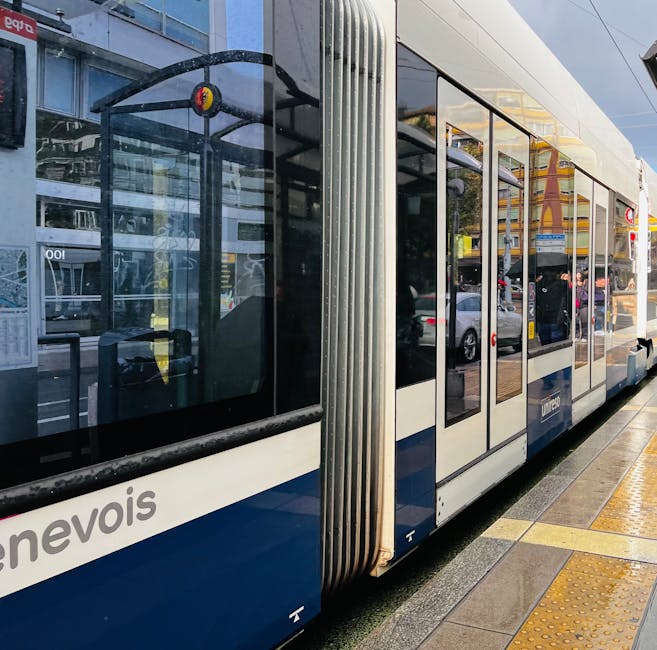
1) Buying and validating your ticket — checklist and practical addresses
Step 1: Before you board, buy the right ticket. In Geneva fares are unireso (integrated for bus/tram/train). The most useful options for a visitor are:
- Single journey ticket — valid for 60 minutes and for travel within the urban zone: ≈ €3.00 (≈ 3.20 CHF). Valid from the moment you validate it.
- 24-hour pass (day pass) — unlimited travel for 24 hours within the selected zones: ≈ €8.50 (≈ 9.00 CHF). Great if you plan more than three rides.
- Family or group ticket — if you’re traveling with 2+ people, check the group ticket option in the TPG app (prices vary, often ≈ €13–16 for a 24-hour family pass).
- Tourist day card (Geneva Transport Card) — sometimes offered by partner hotels: ask reception (check conditions at check-in).
Where to buy:
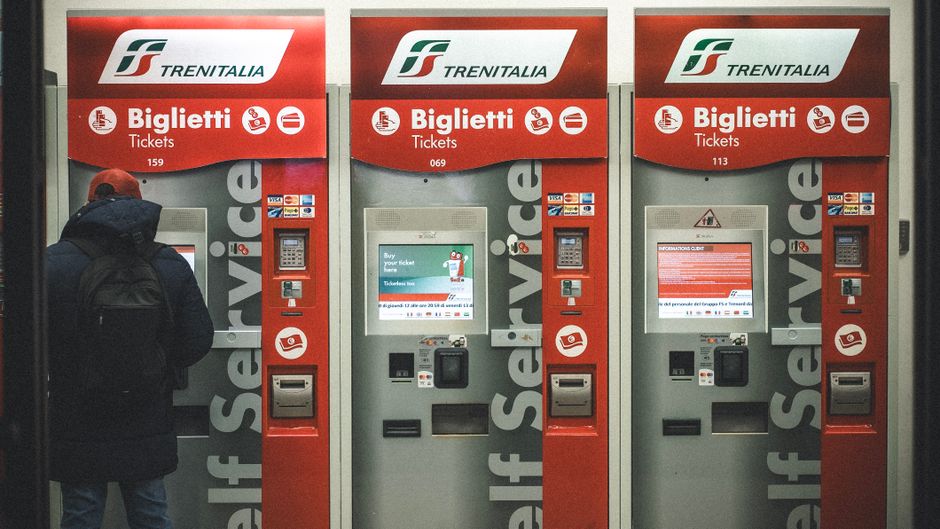
- TPG ticket machines at major stops (English language available) — example: Gare Cornavin, Place Cornavin, 1201 Genève. Machines operate 24/7.
- CFF / SNCF ticket desk at Gare Cornavin, Place Cornavin 14, 1201 Genève — typically open approx. 06:00–22:00 depending on the day.
- Official TPG mobile app (iOS/Android) — pay by card. Tip: enable automatic ticket validation in the app so you don’t forget.
How to validate:
- Find the yellow validator inside the tram (near the doors) and either show your ticket on your phone or validate your paper ticket by inserting it or pressing the terminal as indicated.
- If you use a paper ticket from a machine, note the printed time to confirm its validity period.
- If you get fined, inspectors usually issue penalties on the spot: always carry proof of purchase. Typical fine: ≈ €120 (≈ 130 CHF) if you travel without a ticket.
Schedules worth remembering:
- Daytime tram frequency (Mon–Sat): every 6–12 minutes depending on the line, roughly 07:00–19:00.
- Early morning and late evening: first services start around 05:00, last regular runs around 00:30; overnight services are replaced by night buses (times vary, check the TPG app).
2) Three essential tram loops — numbered steps and exact addresses
Here are three routes designed to cover downtown, the lake and lively neighborhoods. Each loop is laid out step-by-step with exact stops, estimated durations and recommended places to eat or visit.
Loop A — Lake & Jet d’Eau (1h30 – easy stroll)
- Start: Gare Cornavin, Place Cornavin 14, 1201 Genève. Catch a tram heading to Rive (check the display). Travel time Cornavin → Rive: 10–12 min.
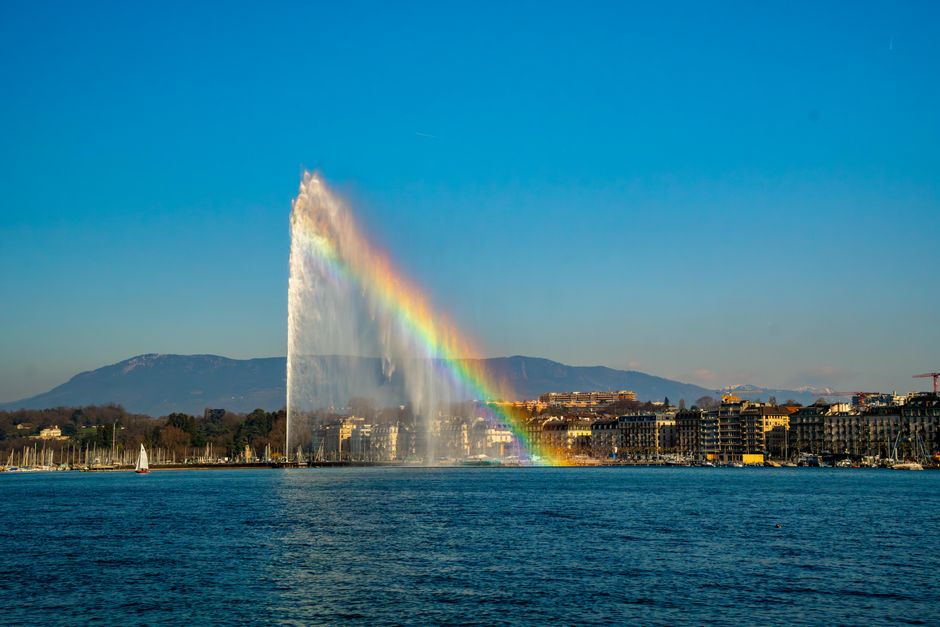
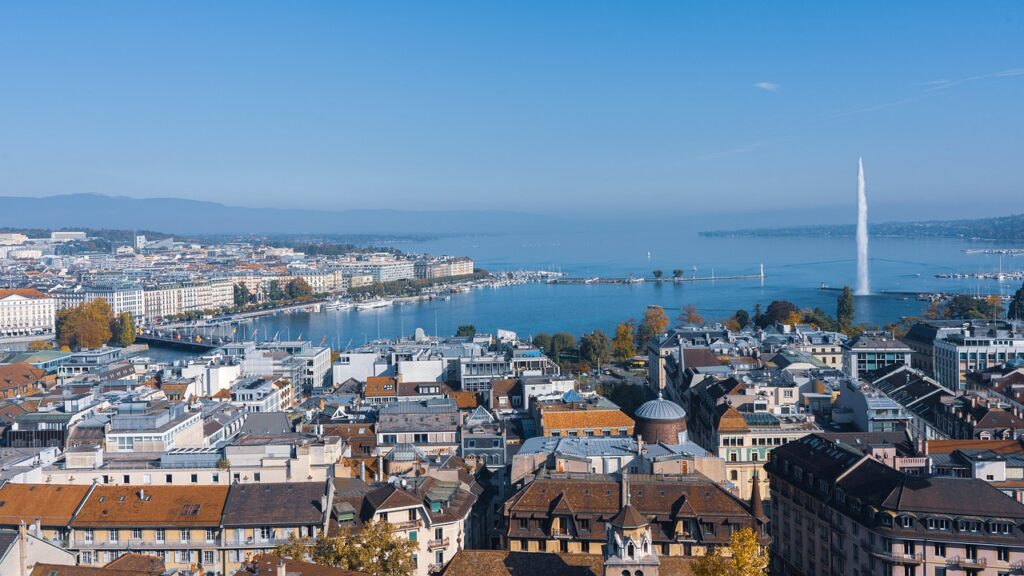
- Get off at Rive, Quai du Général-Guisan 28, 1204 Genève — walk 3 minutes to the Jet d’Eau, Quai Gustave-Ador, 1207 Genève. Perfect photo spot.
- Stroll through the Jardin Anglais, Quai du Général-Guisan 1, 1204 Genève — stop at the flower kiosk and the Brunswick monument.
- Coffee option: Café du Centre, Place du Molard 5, 1204 Genève — budget ≈ €12–18 for coffee & pastry.
- Return to Gare Cornavin by tram or on foot (20–30 minutes walking along the lake).
Estimated total time: 1h30–2h. Indicative cost: single ticket ≈ €3.00.
Loop B — Bohemian Carouge & markets (2h)
- Start: Plainpalais, Place de Plainpalais, 1205 Genève. Take a tram towards Carouge.
- Get off at Carouge — Place du Marché, Place du Marché 5, 1227 Carouge. Local market on certain mornings (Wed, Sat): regional produce, antiques.
- Lunch stop: La Fonderie, Rue du Temple 15, 1227 Carouge — local dishes ≈ €15–22.
- Wander Rue St-Joseph and Rue Ancienne — small shops and artisan studios. Hop back on the tram to Cornavin or Plainpalais.
Estimated time: 2h. Cost: single ticket ≈ €3.00, lunch ≈ €16–20.
Loop C — United Nations & culture (2h30 – cultural)
- Start: Gare Cornavin, Place Cornavin 14. Take a tram towards the Palais des Nations.
- Get off at Nations (UN), Avenue de la Paix 14, 1211 Genève — walk the park and snap a photo of the Broken Chair. Entry to the Palais des Nations (guided tours available): ticket at the desk or book in advance; guided tour price ≈ €10, hours roughly 09:00–17:00 on weekdays (closed Mondays).
- Return by tram to the center, and if you like stop at the Museum of Natural History, Route de Malagnou 1, 1208 Genève (entry ≈ €6–8).
Estimated duration: 2h30. Approximate cost: buy a day pass if you’ll hop multiple times → ≈ €8.50.

3) Boarding and behaving like a local — practical tips and accessibility
Boarding and traveling by tram in Geneva comes with a few local habits: punctuality, respecting seating rules and a handful of unspoken courtesies. Here are concrete tips to blend in like a native.
- Punctuality: Arrive 2–3 minutes before the scheduled time. Trams run on time; missing one can mean a 10–12 minute wait in off-peak hours.
- Visible validation: Always validate when you board (or via the app). An unvalidated ticket is treated as invalid during inspections.
- Luggage and bikes: Bikes are allowed outside peak hours (07:00–09:00 and 17:00–19:00). If you bring a bike, stand it at the tram end and make sure it doesn’t block the doors.
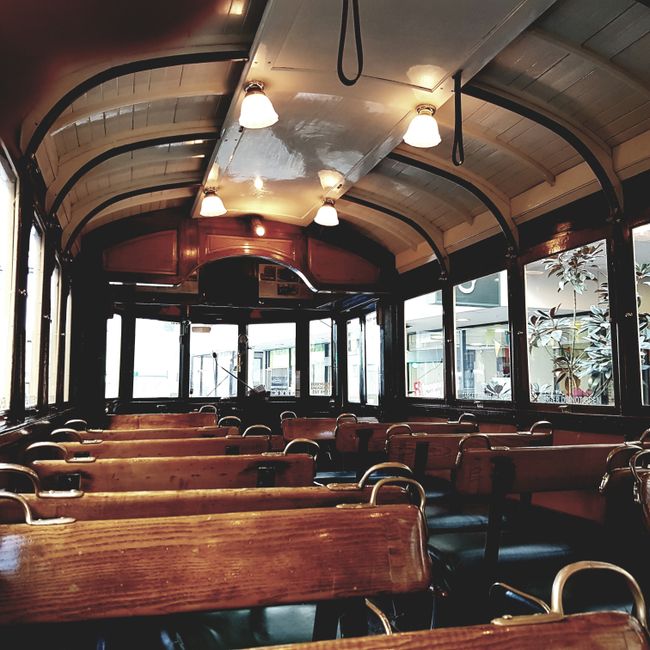
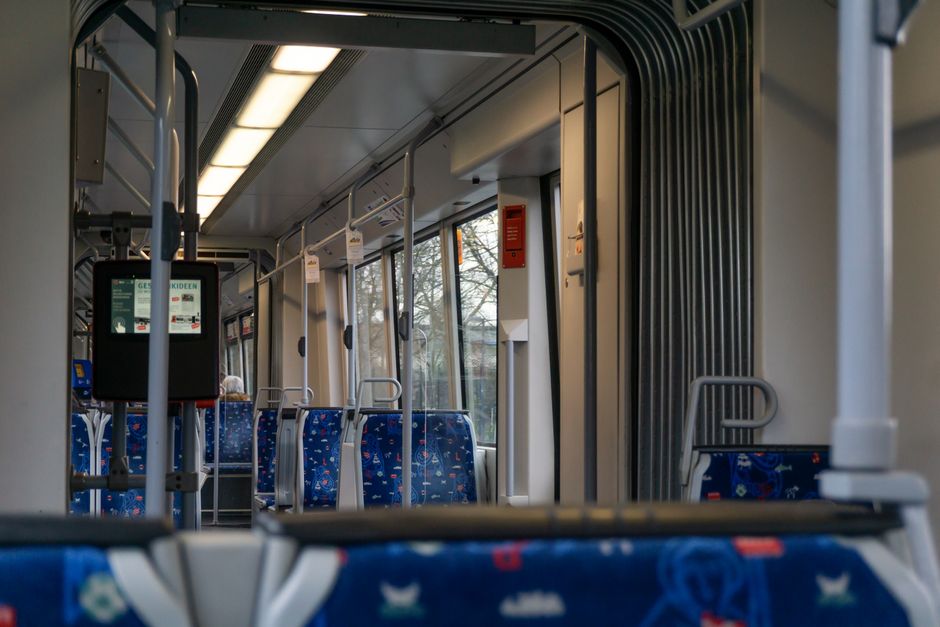
- Seats: Offer your seat to elderly passengers, pregnant people and those with prams. Seats are often wooden or faux-leather; some newer trams have a more modern, designer look.
- Accessibility: Most trams are wheelchair- and stroller-friendly; look for low-floor areas and marked spaces. Major platforms (Gare Cornavin, Rive, Plainpalais) have lifts or ramps.
- Safety: Geneva is generally safe. Keep your belongings close — pickpockets exist but are rare. If something happens, dial 117 (police) or find a TPG staff member at the main depot in Cornavin.
- Languages: French is the main language, but staff often speak English. Learn a few phrases: “Bonjour”, “A ticket to Rive, please”, “Merci”. A smile can open conversations.
Concrete schedules and frequencies:
- Rush hours: 07:00–09:00 and 17:00–19:00 — frequencies 4–8 minutes on main lines.
- Public holidays: reduced service, check the TPG app. Example: August 1st (Swiss National Day): limited morning services and reduced evening runs.
- Weekends: services run continuously but less frequently (8–15 minutes).
4) Common problems and quick fixes — what to do step by step
Even on holiday you might run into a hiccup: a strike, breakdown, lost item or a ticket inspection. Here’s what to do immediately and which addresses to keep handy.
- In case of a breakdown or long stop: Note the tram number (displayed outside) and the nearest stop. Useful phone: TPG Customer Service — +41 22 308 33 33 (English/French). If you’re stuck, only disembark when the driver authorizes it for safety.
- Lost item: Report it to TPG lost & found — Depot TPG, Rue de la Mairie 17, 1211 Genève, or check the TPG website. Lost & found phone: +41 22 420 94 94. File an online report if possible.
- Ticket inspection without a valid ticket: Stay calm and polite. If you don’t have a valid ticket you will usually be fined. Ask for the written procedure and keep the receipt. To contest, contact TPG customer service within 30 days with proof of purchase if you believe you were in the right.
- Cancellation or strike: Check the network status via the TPG app or the official Twitter account @TPGinfo. If trams aren’t running, use CFF tram-trains or alternative buses (unireso fare applies).
- Special events (trade fair, match): Expect service changes around Palexpo or Stade de Genève. Example: Palexpo, Av. Louis-Casaï 4, 1216 Genève — shuttles and tram routing may change during big shows. Check the special plan on the day.
Key contacts and useful addresses recap:
- TPG Customer Service: +41 22 308 33 33
- Gare Cornavin (main hub): Place Cornavin 14, 1201 Genève
- Palais des Nations (visits): Avenue de la Paix 14, 1211 Genève — tickets sold on site
- TPG Lost & Found Depot: Rue de la Mairie 17, 1211 Genève — phone +41 22 420 94 94
Conclusion — Tram travel in Geneva: step summary and final tips
Traveling around Geneva by tram is a mix of convenience and local immersion. To recap: buy and validate your ticket before boarding (single ≈ €3.00, day pass ≈ €8.50), use the TPG app for live schedules, and plan your loops around the exact addresses provided (Gare Cornavin, Rive/Jet d’Eau, Carouge Place du Marché, Palais des Nations). Trams run from early morning until late at night with generous daytime frequencies — perfect whether you want to hop from stop to stop or wander slowly.
In practice, follow the checklists: 1) ticket bought and validated, 2) printed or mobile map of your loop, 3) have your card ready for the TPG app, 4) allow extra time for photos and coffee breaks. The exact addresses listed in each loop help you identify stops, restaurants and museums without guessing. Above all, remember that politeness and punctuality go a long way: give up your seat, validate your ticket, and respect fellow passengers — you’ll earn locals’ trust and might even get a few insider tips back.
If you want a custom itinerary (for example winter visits, stroller access, or routes between the airport and your hotel), tell me your exact starting point and interests: I’ll craft a minute-by-minute tram plan with addresses, times and a budget estimate in euros. Have a great trip — and savor every stop like you live in Geneva.