





Introduction: Geneva’s lively neighborhoods most tourists miss
Geneva is often seen as a city of banks, international organizations and pristine lakeside views. But beneath that polished image lies a place with vibrant, bohemian neighborhoods that many rushed visitors never discover. These pockets of local life offer a mix of markets, independent cafés, artisan workshops, cultural wastelands turned creative hubs and parks where locals gather to have a drink, stroll or enjoy urban pastimes. In this guide, I’ll take you off the beaten path to streets and squares where the most authentic and surprising sides of Geneva reveal themselves.
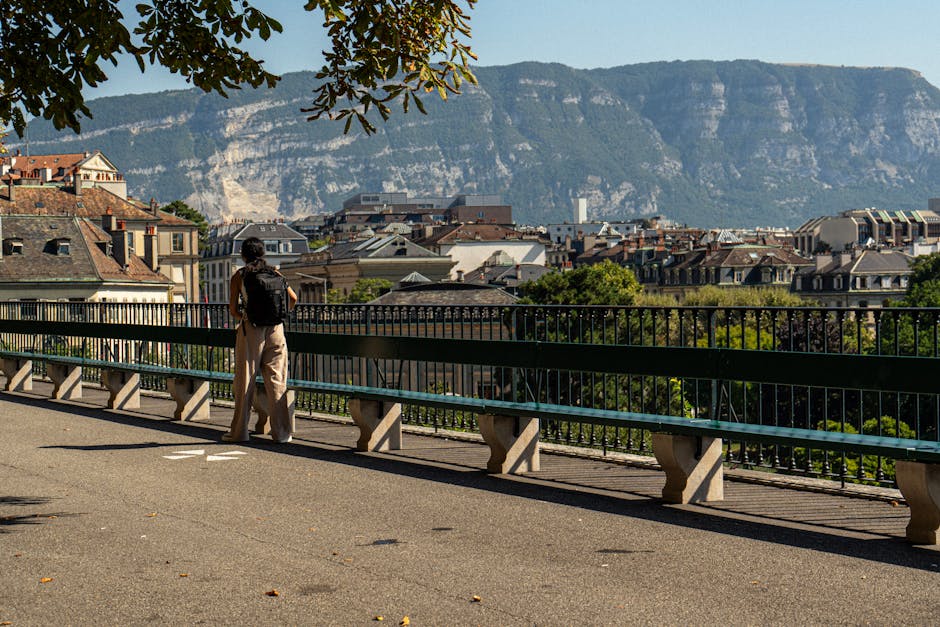
Those who only know Geneva superficially usually stop at the Jet d’Eau, the English Garden and the old town around Bourg-de-Four. Yet the city hides micro-districts — Carouge, Plainpalais and the MAMCO, Les Pâquis and the Bains des Pâquis, Eaux-Vives and Parc La Grange — brimming with cultural generosity, skilled artisans, night markets and music cafés. These spots are perfect for curious travelers who want a glimpse of everyday life and to understand how Geneva blends tradition with contemporary creation.
This guide aims to be practical and immersive: for each neighborhood you’ll find full addresses, approximate opening hours, prices listed in euros to help plan your trip, and local tips to make the most of your visit (best time of day, dishes to try, small ways to save). Prices are given in euros as a guideline; Geneva is in Switzerland where the local currency is the Swiss franc (CHF) and rates can change with exchange and season.
As you read on, expect sensory descriptions — the crunch of Carouge’s cobbles, the smell of freshly roasted coffee in Plainpalais’s alleys, laughter along the lakeside at the Bains des Pâquis, the leafy calm of the Eaux-Vives parks. I’ve also included image cues to help you picture these scenes before you arrive: market stalls, colorful facades, lively terraces and twilight waterfronts.
Whether you’re planning a short weekend or a longer stay, this guide will help you schedule visits that go beyond the classic postcard sights. You’ll get concrete advice: how to avoid peak times, where to find reasonably priced local dinners, which small artisan shops are worth a detour and how to get around smartly. Come along on a route that prioritizes encounters, authenticity and slow discovery — locals’ favorite way to appreciate Geneva.

Carouge: Geneva’s Mediterranean charm
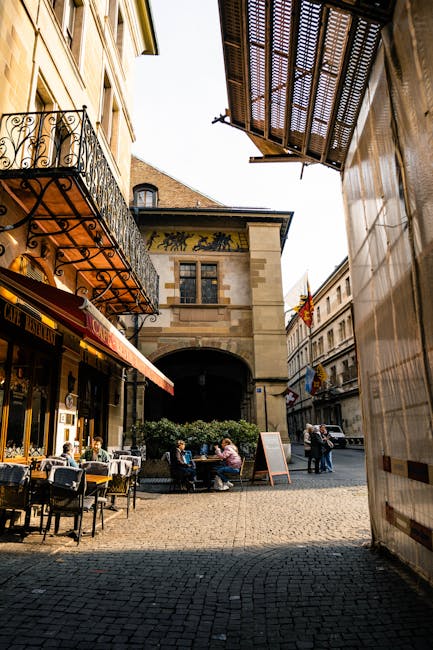
Carouge, often nicknamed “Little Sardinia” or Geneva’s own Greenwich, is a neighborhood with strong character located just south of the city center, a few tram stops away. Its arcaded streets, pastel façades and artisan shops give it a southern European vibe that contrasts pleasantly with typically Swiss efficiency. The neighborhood’s heart is around Place du Marché and Place du Temple.
Key addresses: Place du Marché 2, 1227 Carouge — Carouge Town Hall; Théâtre de Carouge, Place du Marché 1, 1227 Carouge (tickets €25–€45 depending on the show, times vary by season but usually evening performances at 20:00 and weekend matinees at 14:00); Café Bistrot du Boeuf, Rue Vautier 4, 1227 Carouge (daily special around €18).
Visiting Carouge means getting happily lost in its shopping lanes: artisanal jewelry shops, contemporary art galleries, ceramic studios and design boutiques. Don’t miss Carouge Market (Place du Marché) on Tuesday and Saturday mornings, where local producers sell cheeses, charcuterie and breads. Market prices vary: local cheese €6–€12 per portion, artisanal bread €2–€4.
The vibe is perfect for long breaks. For coffee, pop into Java Espresso (Rue Ancienne 14, 1227 Carouge) — filter coffee €3–€4. For a more polished meal, Bistro du Théâtre (Place du Marché 3) offers a local fusion menu: dinner €35–€55 depending on mains and wine.
Local tip: arrive early on Saturday to enjoy the market before the crowds and to photograph the arcades in the soft morning light. In the evenings terraces fill up; aim for a terrace dinner between 19:00 and 21:30 to soak up the Carouge atmosphere. Shops generally close around 18:30 on weekdays but stay open later on Thursdays.
Plainpalais and MAMCO: art labs and alternative markets
The Plainpalais area is a lively cultural crossroads, blending creative squats, popular markets and institutions like MAMCO (Museum of Modern and Contemporary Art). La Plaine de Plainpalais is a large open space that hosts flea markets, organic markets and outdoor events. It’s the go-to place to observe Geneva’s young, alternative scene.
Key addresses: Plaine de Plainpalais, 1205 Geneva — multi-use open space; MAMCO, Rue des Vieux-Grenadiers 10, 1205 Geneva (entry €12 for adults, student discounts around €8, open Tue–Sun 11:00–18:00, late opening Thu until 21:00); Plainpalais Flea Market, Plaine de Plainpalais, every Saturday morning (stalls from 07:00).
MAMCO is worth a deep dive if you’re into contemporary European art. Exhibitions are often experimental and thought-provoking; plan 1.5–2 hours for a comfortable visit. The museum has a specialist bookstore and a small press shop selling catalogues and design objects (budget €10–€40 depending on your picks).
La Plaine also hosts the organic and local market several days a week and the Saturday flea market where you can hunt for vinyl, vintage furniture and secondhand clothes. Prices range: used vinyl €5–€25, vintage clothing €10–€60 depending on the piece, small furniture €20–€150.
Local tip: stroll the square in the evening to try the food trucks and pop-up stands that arrive during events. If you’re there for the flea market, get there early (07:00–09:00) for the best finds. Trams 15 and 12 serve Plaine de Plainpalais; get off at the « Plainpalais » stop. It’s handy to carry a few euros in cash for small stall purchases.
Les Pâquis and Bains des Pâquis: lakeside life, public baths and nightlife
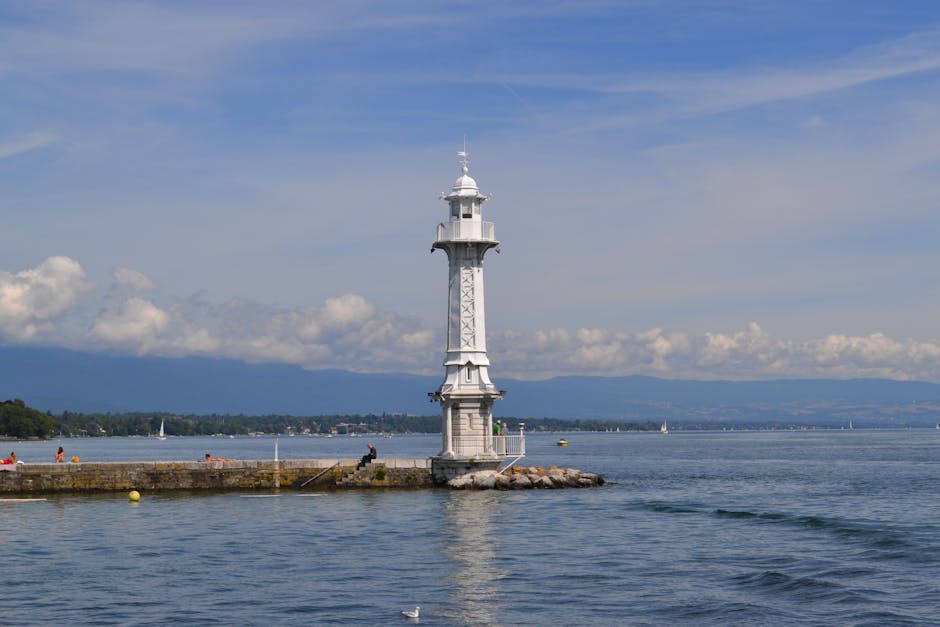
Les Pâquis is a cosmopolitan neighborhood on the edge of Lake Geneva, known for its world cuisine, small shops and above all the Bains des Pâquis — a public jetty and bathing spot where locals and visitors swim, sunbathe and socialize. The contrast with Geneva’s institutional center is striking: here the city feels more relaxed, informal and alive at all hours.
Key address: Bains des Pâquis, Quai du Mont-Blanc 30, 1201 Geneva — daily entry €6 (swimming and terrace), sauna/wellness packages extra €12–€20 depending on service; opening hours: daily 06:00–23:00 in summer (shorter winter hours usually 08:00–20:00).
The neighborhood’s food scene is eclectic: Lebanese, Indian, Tibetan restaurants and Swiss bistros sit side by side. For example, Restaurant Les Brasseurs des Pâquis (Rue du Mont-Blanc 5, 1201 Geneva) offers dishes from €15 and craft beer €5–€7. For something more casual, Café du Soleil (Rue de la Terrassière 8, 1207 Geneva, nearby) is famous for its fondue (about €20–€28 per person).
The Bains des Pâquis are iconic for sunset views of the Jet d’Eau with Mont Blanc in the distance. In summer locals frequently dive into the clear waters of the lake — bring a towel and swimwear. The small canteen on the jetty sells simple dishes (soup €6, salad €8, sandwiches €4–€7) and hot drinks. On summer evenings the jetty sometimes hosts free concerts and film screenings.
Local tip: to beat the crowds, come early in the morning (06:00–09:00) for a peaceful swim. Tram 15 or bus 6 will drop you close by (stop « Pâquis »). If you want to use the sauna, try to book online if possible; late-afternoon slots are the most in demand. Note: prices and opening hours can change during special events or winter maintenance.
Eaux-Vives and Parc La Grange: gardens, music and peaceful havens
The Eaux-Vives neighborhood hugs the lake and boasts some of Geneva’s loveliest green spaces. Parc La Grange and Parc des Eaux-Vives are two leafy oases with lawns, summer theatres and regular cultural programming. Eaux-Vives blends affluent residences, elegant cafés and lakeside walks that locals enjoy on weekends.
Key addresses: Parc La Grange, 1 Avenue William-Fazy, 1207 Geneva — free access (generally open 06:00–22:00); Parc des Eaux-Vives, Boulevard de la Jonction 21, 1207 Geneva — free access; Théâtre du Parc (summer programming) often set up in Parc La Grange (tickets €15–€40 depending on the show).
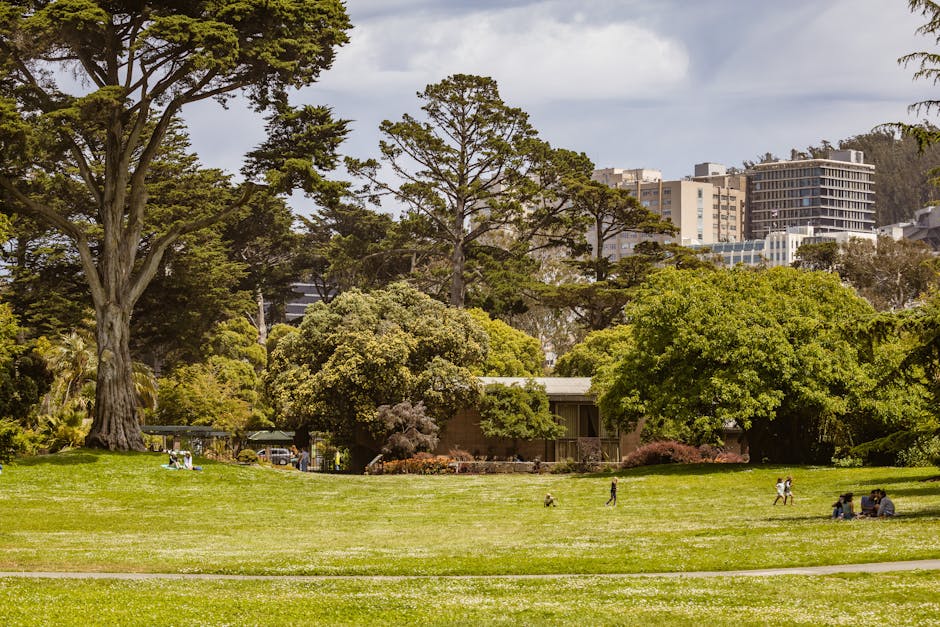
Parc La Grange has a large lawn, a formal garden and magnificent century-old trees, ideal for a picnic. In summer the park hosts the “Concerts du Parc La Grange,” music events with tickets (€25–€60) that attract families and music lovers alike. Nearby, Rue du Rhône and Promenade du Pin offer cafés and patisseries for a stop: coffee plus a pastry usually costs €6–€10.
For astronomy fans, the History of Science Museum (Promenade du Pin 10, 1204 Geneva) is a short walk away; entry about €6–€10, open 10:00–17:00 (closed some Mondays). It’s a lovely cultural complement after a park stroll. Lakeside walks along the promenade give direct views of the Jet d’Eau and, on clear days, Mont Blanc.
Local tip: bring a blanket and pick up local treats from a bakery for a perfect picnic at sunset. Summer outdoor concerts sometimes require booking, so check official park sites and reserve tickets in advance. Buses 2 and 5 serve Eaux-Vives (stop « Eaux-Vives »). And remember to respect park opening hours and avoid lighting fires or leaving rubbish — Geneva is strict about keeping public spaces clean.
Conclusion: soak up Geneva’s authentic side
Exploring Geneva’s lively neighborhoods means taking the time to discover a plural city: Carouge with its artisan charm, Plainpalais with its alternative scenes and MAMCO, Les Pâquis with its lakeside public baths, and Eaux-Vives with its parks and cultural events. These places complement each other and reveal how Geneva blends heritage, contemporary creativity and warm neighborhood life.
To get the most from these visits, favor walking and public transport (tram and bus): it’s the best way to feel how the city’s vibe shifts from one quarter to the next. Carry cash for markets and small stalls, but also bring a card — many places accept electronic payment. Plan around the hours listed (theaters in the evening, markets in the morning, museums during the day) and always check official sites for exceptional closures and price changes.
Finally, adopt a local mindset: take time for a coffee, follow a tempting street, chat with a shopkeeper or artisan. These neighborhoods show a lively, human side of Geneva far from the city’s professional clichés. Approach them with curiosity and respect, and you’ll leave not only with photos and souvenirs but also with encounters and experiences that will make your trip to Switzerland truly memorable.