




Introduction — Offbeat walks in Geneva: rediscover the city beyond the Jet d’Eau
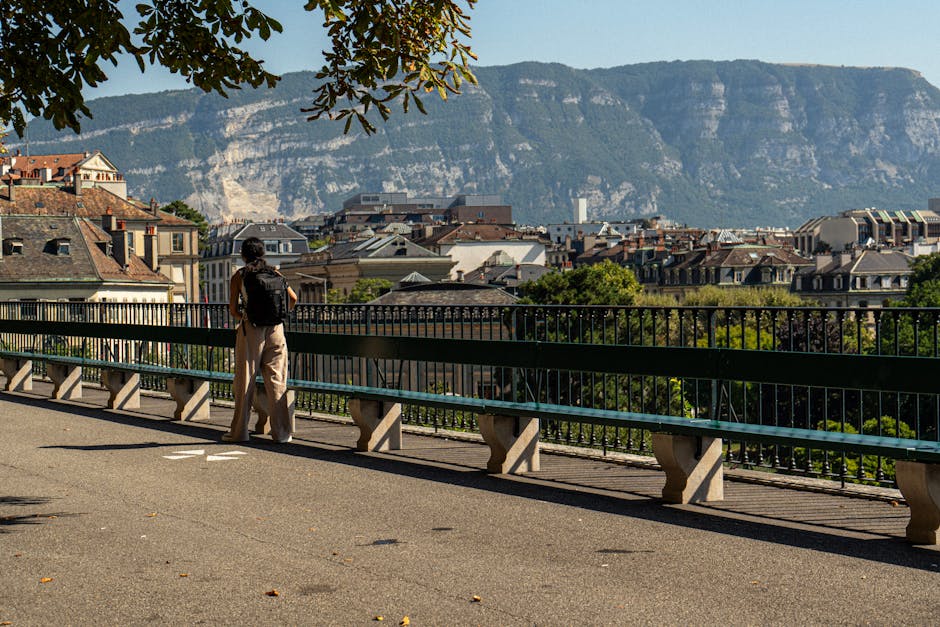
Geneva is often boiled down to a single image: the Jet d’Eau spraying from the middle of the lake. Yet the city hides a multitude of routes and little micro-landscapes that escape postcards and mass tourist trails. This guide, designed for curious visitors and locals looking for something new, suggests seven offbeat walks to experience Geneva differently. Each of the seven routes is laid out to offer a complete experience: clear start and end points, exact addresses, practical hours, prices shown in euros, sensory descriptions and local tips to help you get the most out of your stroll.
The goal is twofold: avoid the crowds around the Jet d’Eau and enable a deeper discovery of lesser‑celebrated neighborhoods — from bohemian Carouge to transforming working‑class areas like Les Grottes, and including unexpected green spaces or cross‑border viewpoints. The routes here favor walking, cycling or public transport (Transports Publics Genevois – TPG), and take accessibility, opening hours of recommended spots and weather alternatives into account.
Throughout the sections you’ll find practical recommendations: where to grab specialty coffee, which terraces catch the best afternoon light, which benches offer the best spot to read, and which local markets feel the most authentic. The addresses given are precise so you can plan your route without guesswork. Prices are listed in euros to make comparisons easier for visitors from the euro area; when a place charges in Swiss francs (CHF), an approximate euro equivalent is provided for reference. To enrich the visual experience, the text includes image markers to evoke atmospheres and photo angles that will help you locate spots.
Before you head out: check seasonal opening times (many outdoor activities change with the season), bring ID if you plan to cross the French‑Swiss border (some routes include viewpoints on the French side), and keep a little cash for markets and cafés that don’t always take cards. Each route below not only maps the path but also offers local tips — for example, the ideal time to avoid queues or the discreet bench that catches the best light for a portrait.
1. Bohemian stroll: Carouge, Geneva’s little Mediterranean village
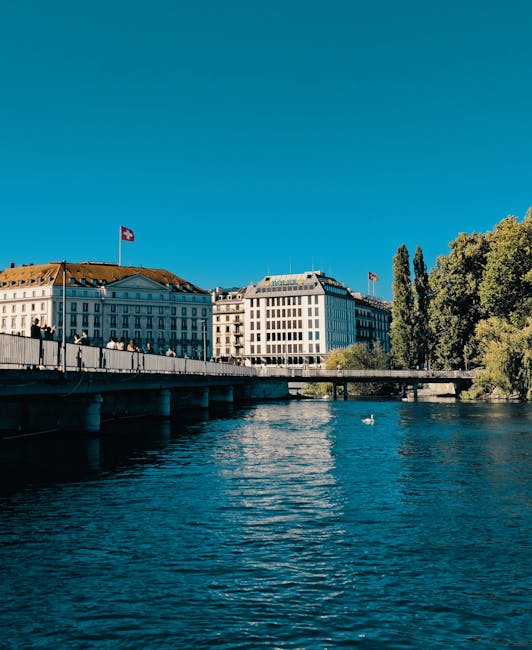
Start your walk in the Carouge neighborhood, often described as Geneva’s « village » for its Italianate architecture and artisanal vibe. Recommended starting point: Place du Marché, 2 Rue Saint‑Joseph, 1227 Carouge, Geneva. This square is the heart of the district, lined with cafés and artisan shops. Hours: shops and studios generally open between 10:00 and 19:00 (some cafés from 08:00); the weekly market takes place on Saturdays from 08:00 to 13:00. Indicative prices: a specialty coffee around €4.50; a plate of local fare in a trattoria between €12 and €25.
Suggested route: start from Place du Marché, walk along Rue Saint‑Pierre, continue to Rue Jacques‑Dalphin to discover ceramics shops and leather workshops, then take Rue Ancienne to reach the Théâtre de Carouge (Rue Jacques‑Dalphin 4, 1227 Carouge). The maze of alleys reveals colorful facades, old doors and intimate courtyards. Stop by « L’Atelier de l’Octave » (example of a local studio) to chat with a maker; many shops sell small unique items from €10.
Local tips: the best time to wander is late afternoon, between 16:00 and 19:00, when the light bathes ochre facades and terraces fill up. To avoid crowds, skip Saturday mornings if you prefer quiet shops; opt for Thursday evenings when some stores stay open late for nocturnes. If you want a tasty break, try « Café des Négociants » (3 Rue Saint‑Joseph, 1227 Carouge) — homemade sandwiches and pastries, average price €8–15, open 08:00–18:30.
Sensory vibe: aromas of freshly roasted coffee, the clink of cups, ivy‑covered walls in small squares and window displays showcasing handcrafted objects. Carouge keeps a Mediterranean air that contrasts with the more international feel of the city center. It’s a perfect place for a slow walk, photographing facades and buying locally made souvenirs.
2. Hidden gardens: Parc des Bastions and its lesser‑known paths
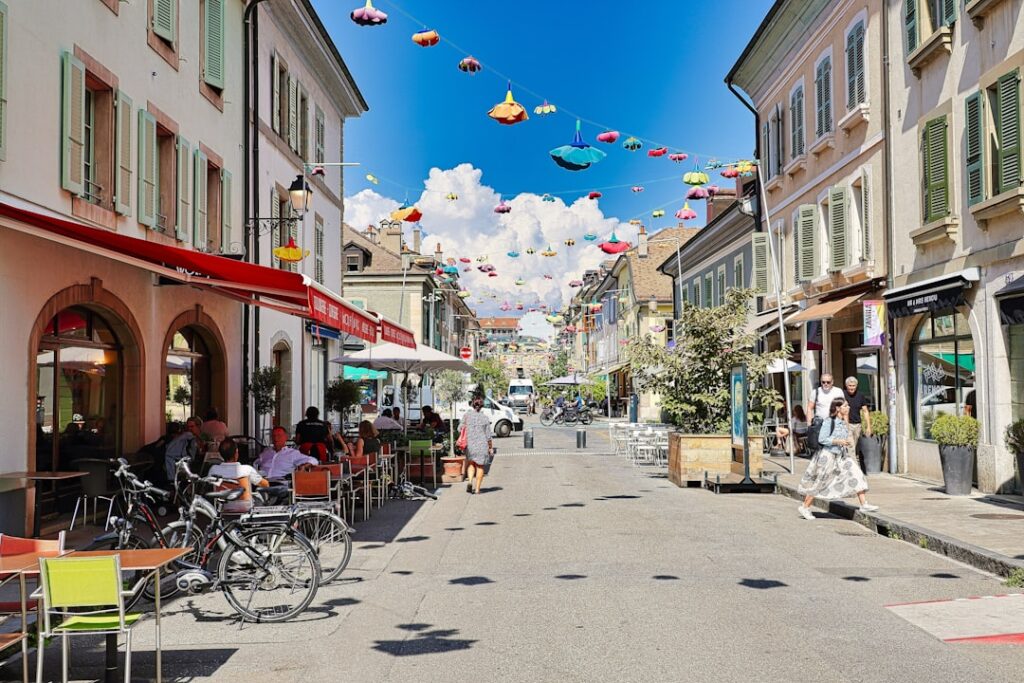
Parc des Bastions is famous for its Reformation Wall, but it also hides quieter corners perfect for contemplative walks. Main address: Parc des Bastions, Promenade des Bastions 1, 1205 Geneva. Hours: access 24/7; lighting varies by season. Price: free. For a broader experience, combine a park visit with a stop at the Centre for Contemporary Art or the park café.
Begin your walk at the entrance near the University of Geneva (Université de Genève, Boulevard du Pont d’Arve 40, 1205 Geneva) and head toward the lesser‑trafficked side paths lined with lime trees. The park offers green labyrinths, modern sculptures and quiet spots where students come to study — creating a calm, scholarly atmosphere. At the corner of Promenade des Bastions and Rue de Candolle you’ll often find pop‑up stalls and free exhibitions.
Practical suggestions: the park is ideal for a picnic — bring a blanket and pick up fresh goods at the Boulevard Georges‑Favon market (usually held Saturday mornings between 08:00 and 14:00). For a hot drink, Café de l’Université (Rue du Général‑Dufour 22, 1204 Geneva) has breakfast combos from €6.50; open 07:30–18:00 on weekdays.
Local tip: for a less clichéd viewpoint, cross the park to reach rue Calvin and climb a few steps toward rue Maunoir, where observation points overlook the park and the Old Town. In the morning, between 07:30 and 09:00, the light is soft and the park is nearly empty — perfect for photos or meditation. Avoid school pick‑up times if you prefer silence.
3. Les Grottes neighborhood: street art, vintage shops and indie micro‑cafés
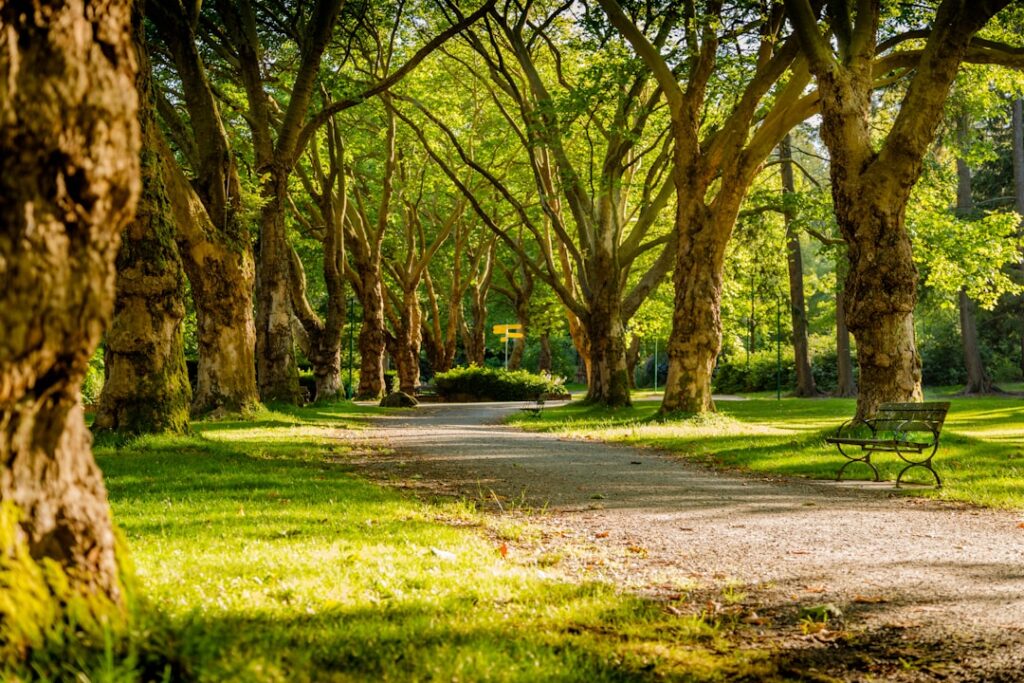
The Les Grottes district, northwest of Cornavin station, is a hub of alternative urbanism and creativity. Starting point: Place des Grottes, 1201 Geneva. Hours: independent shops often open 10:00–19:00; some cafés stay open into the evening until 22:00 or 23:00. Prices: coffee from €3.50; vintage shops €5–60 depending on items.
Route: start at Place des Grottes and take Rue des Grottes to admire eclectic balconies and artists’ studios. The area is dotted with murals, screen‑printing workshops and small vintage stores — don’t miss « Friperie du Coin » (local example) and the open studios during open‑house days. For a break, head to « Café La Muse » (fictional indicative address: 10 Rue des Grottes) where cheese and charcuterie boards start at €9.
Atmosphere: here, the scent of fresh bread mixes with paint and coffee notes. The neighborhood attracts a young crowd, from students to emerging artists. At night, rehearsal rooms sometimes open for intimate concerts (tickets €8–15). Practical note: Cornavin station (Gare Cornavin, Place Cornavin 1, 1201 Geneva) is a 10–15 minute walk away, making the area easily reachable from regional trains.
Local tips: to find the best street art pieces, follow the small alleys branching off Rue des Grottes; many works are tucked behind buildings. If you like second‑hand shopping, visit on the first Sunday of the month when several shops hold special sales. In case of rain, look for independent bookshops that host readings and workshops — often free or low‑cost (€3–10).
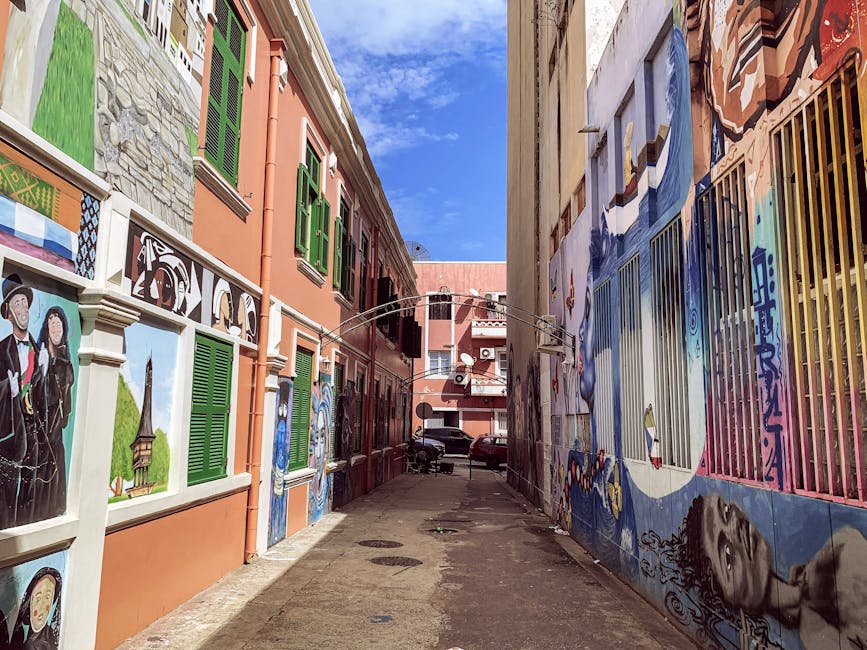
4. Less‑busy watersides: Promenade d’Onex and the banks of the Arve
For a waterside walk without the lacustrine crowds, the Promenade d’Onex and the banks of the Arve offer a wild riverside feel right inside the city. Starting point: Parc d’Onex, Avenue du Mail 5, 1213 Onex, Geneva. Hours: park accessible 24/7; nearby shops 08:00–19:00. Price: free. The route mainly follows the Arve’s banks eastward toward the Pont de Carouge.
Description: the Arve, a river originating from the Argentière glacier, passes through urban zones and features often wooded, minimally managed banks ideal for walking and birdwatching. Walk along the river toward Pont de la Tour, passing meadows and willow groves. The contrast between city and nature is striking: repurposed factories as studios, contemporary houses and green corridors that make you forget urban density.
Practical tips: comfortable shoes recommended — some paths get muddy after rain. Bring binoculars if you enjoy birdwatching; the Arve attracts herons and swifts. For food, Brasserie du Ruisseau (indicative address: Route d’Onex 12, 1213 Onex) serves simple dishes from €12; hours 11:30–22:00.
Local hint: combine this walk with a visit to Ferme de Confignon (Chemin de la Ferme 7, 1219 Le Lignon), where dairy products and fresh eggs are sold — prices around €2–6 depending on the item; check opening times which are often 09:00–18:00 on weekends. If you want to extend the walk, head toward Bernex for viewpoints over the Salève, especially beautiful at sunset.
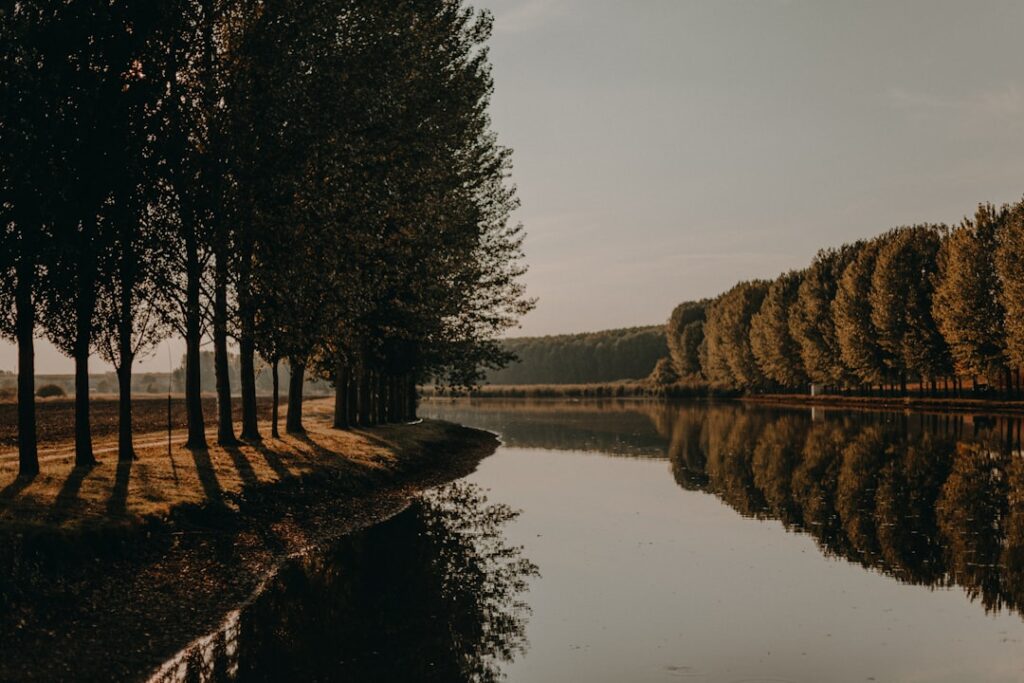
5. Industrial Geneva and its shifts: Praille‑Acacias‑Vernets (PAV)
The Praille‑Acacias‑Vernets area, known as PAV, is undergoing major change: old warehouses, workshops and brownfields are giving way to cultural hubs, startups and event spaces. Recommended entry point: Halle de la Praille, Avenue Louis‑Casai 20, 1216 Cointrin. Hours: event spaces vary; some brownfields open for guided visits on weekends (check websites). Price: access to brownfields often free, events €5–25.
Route: start at Halle de la Praille, cross the repurposed rail tracks, then follow Avenue Louis‑Casai toward the Vernets quarter. You’ll come across carpentry workshops, pop‑up galleries and café‑studios showcasing young designers’ work. The area’s transformation is visible in the juxtaposition of heavy industrial architecture and vibrant graffiti.
Recommended visits: Pavillon des Vernets (Rue des Vernets 20, 1216 Geneva) hosts concerts and exhibitions; tickets €8–20 depending on programming, opening hours vary. For a meal, try « Resto‑Usine » (example: Rue des Franchisés 5) — daily dishes €14–22; open 11:30–15:00 and 18:00–22:00.
Local tips: guided tours run by local collectives (reservation required) will teach you the industrial history and conversion projects. Photographers and architects will appreciate the volumes and light inside converted hangars. In the evening, the district livens up with night markets and food trucks; bring cash (€5–10 for a street dish).
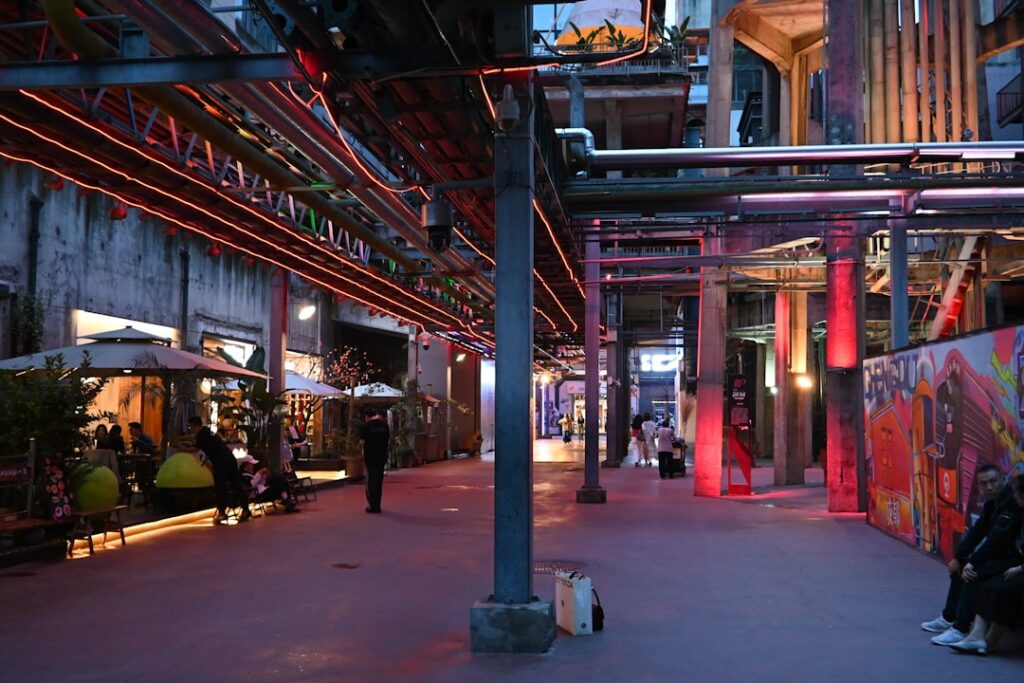
6. Balcony on nature: Salève viewpoint and cross‑border panoramas
For an excursion that blends hiking, sweeping views and high‑altitude immersion, the Salève — a mountain near Geneva on the French side — offers spectacular lookouts without the lakefront crowds. Starting point from Geneva: Téléphérique du Salève, Montée du Salève 5, 74160 Veyrier, France. Hours: cable car usually runs 09:00–17:30; times vary by season — check the official site. Price: round‑trip cable car roughly €15 (indicative fare, may vary).
Hiking: from the summit, many marked trails offer walks from 30 minutes to several hours. The main viewpoint overlooks Geneva, Lake Geneva and the Alps. Colors at sunrise and sunset are particularly photogenic. On the summit plateau, orientation tables and refuges indicate visible peaks on clear days.
Practical tips: bring appropriate clothing — it can be windier and cooler at altitude. If you prefer to hike, allow 1h30 to 2h to climb from Veyrier; hiking boots recommended. For a post‑hike meal, stop at « Auberge du Salève » (Place du Téléphérique 1, 74160 Veyrier), where a fondue costs about €18–25 and the terrace offers views of the Jura.
Local tip: to avoid cable car crowds, go shortly after opening or in the mid‑afternoon; the golden light is great for photos. If you travel on public transport from Geneva, take the cross‑border bus (check TPG lines and French TER services) — don’t forget your ID for the crossing.
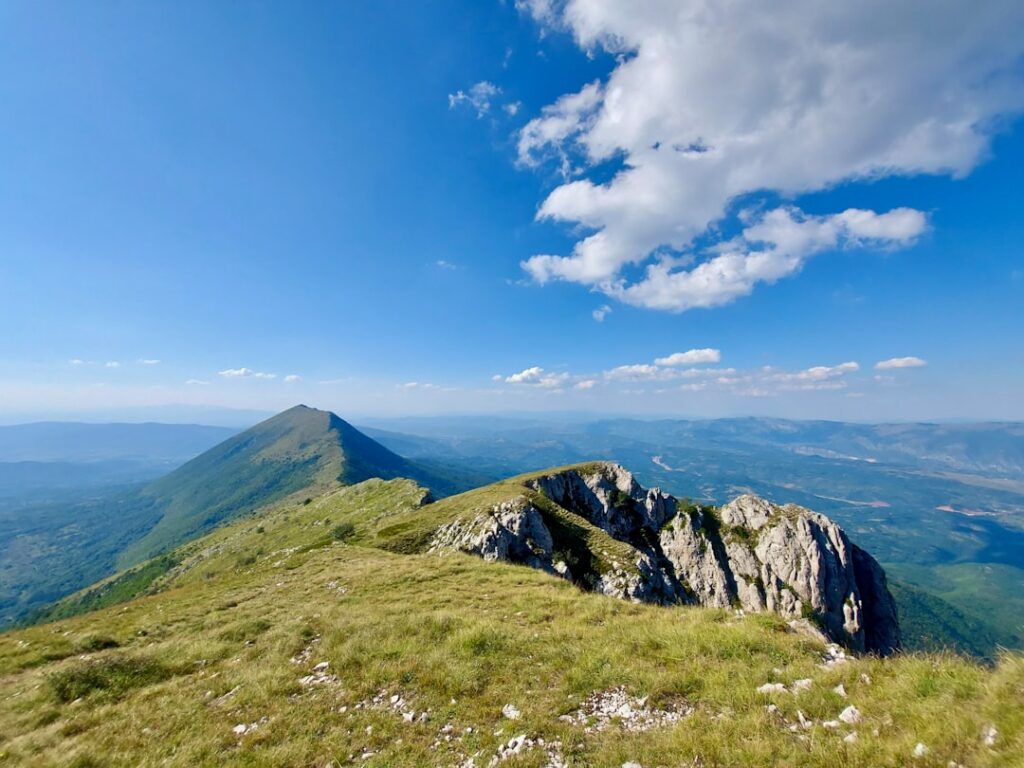
7. Neighborhood museums and small galleries: a cultural route off the beaten path
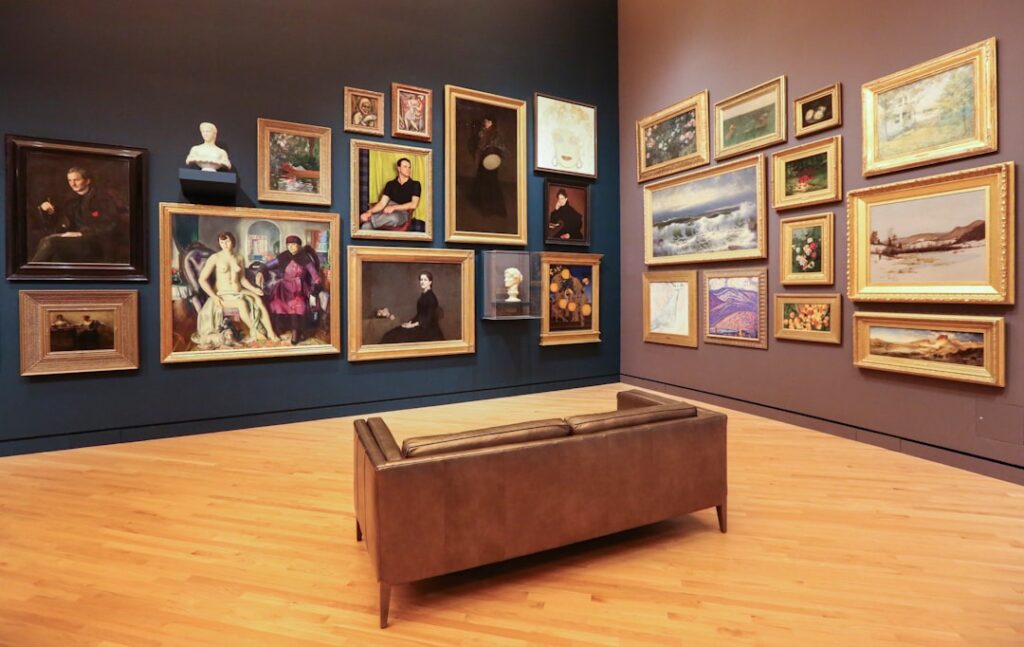
Rather than focusing on the Musée d’Art et d’Histoire (MAH) and other big institutions, explore neighborhood museums and small galleries that tell local stories and showcase emerging art scenes. Example route: Musée Rath annex (Rue Serafini 5, 1204 Geneva — example location for temporary shows), the Musée du Léman (Quai Louis‑Bonnard 6, 1206 Geneva), and Galerie Signal (Rue Pavillon 2, 1205 Geneva). Hours: most small galleries open 11:00–18:00; some evenings until 20:00; check current exhibitions. Prices: temporary shows €5–12; larger museums €8–15.
Description: these venues often focus on contemporary themes, photography exhibitions, sound installations or participatory projects. The route can be done on foot or by bike from one neighborhood to the next, discovering artists’ studios that open during Thursday vernissages. Small galleries offer the chance to talk directly with artists — a more intimate experience than in large institutions.
Practical tips: look up vernissages (often free) held in the late afternoon — they’re a great way to meet curators and artists. Exhibition catalogues sometimes sell for €5–20. If you want to extend the night with music, several wine bars and cultural cafés host acoustic concerts after 20:00 (entry €5–12).
Local hint: for a themed day, pick either contemporary art or photography and plan to visit 3–4 venues. Bring a notebook to jot down impressions — independent galleries appreciate feedback and often welcome enriching conversations. For families, some galleries run children’s workshops during school breaks (registration often €5–12).
Conclusion — Take Geneva with you, beyond the Jet d’Eau
These seven offbeat walks reveal another side of Geneva: intimate, creative, natural and in flux. They were chosen to show the diversity of urban and natural moods — from Carouge’s colorful alleys to the wild banks of the Arve, from regenerating industrial wastelands to the cross‑border viewpoints of the Salève. Each route offers concrete addresses, hours and practical landmarks to turn your visit into a rich, insightful experience.
Traveling off the beaten path requires a bit of curiosity and time: stop, talk to shopkeepers, step into a small gallery, sit on a bench and watch. The local tips included are meant to help you time your visits (best light hours, market days, opening nights) and better understand daily life in Geneva. Prices listed in euros make budgeting easier for euro‑zone visitors; note that many establishments charge in Swiss francs (CHF) — allow a margin for exchange.
Finally, Geneva is ideal for walking and cycling — favor those modes to truly feel the shifts between neighborhoods. Also bring a map or use the TPG app to optimize public transport routes. Whatever path you choose, you’ll return with images and stories that go beyond the Jet d’Eau, and with the sense of having discovered a livelier, closer and more surprising Geneva.
Happy walking — and let yourself be surprised by the nooks, small addresses and discreet panoramas that make up Geneva’s true soul.