





Introduction: Why a Safe Route Between Geneva’s Lake and Old Town
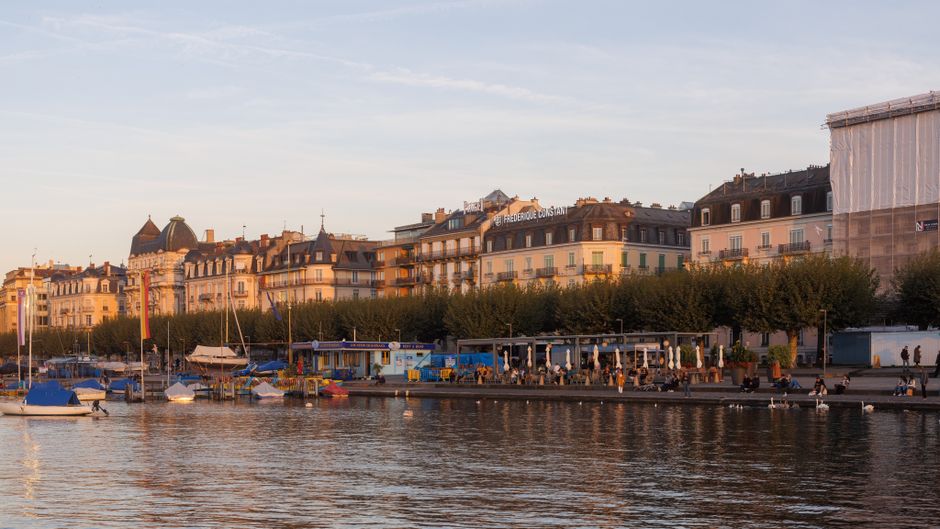
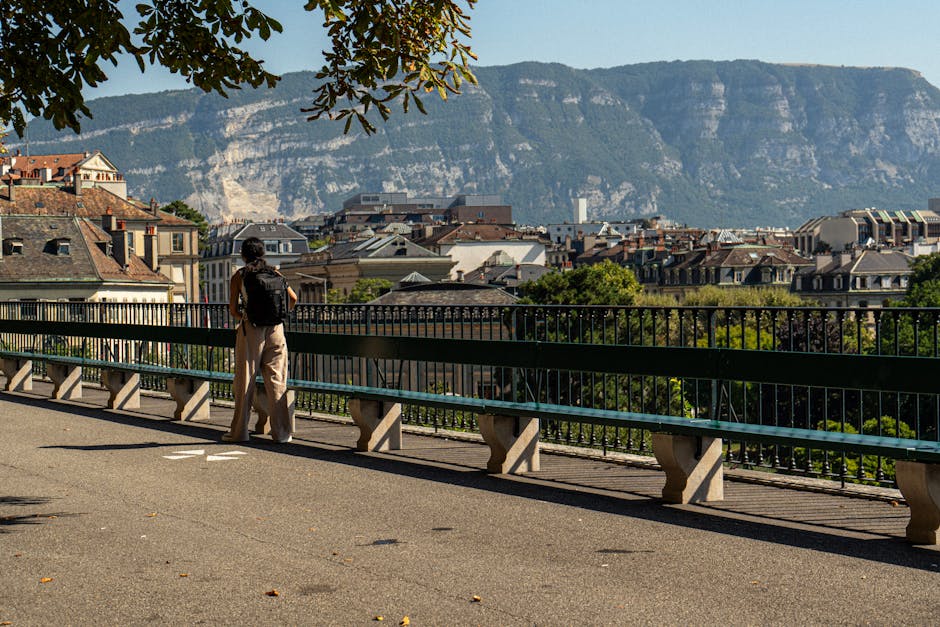
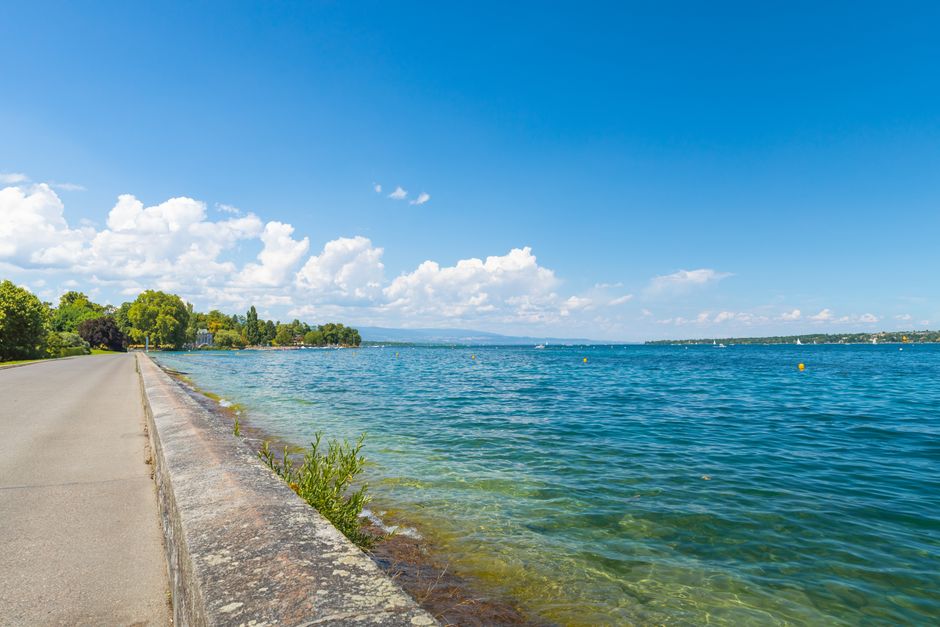
Geneva unfolds with a beguiling calm: a gleaming skyline over Lake Geneva, the towering spray of the Jet d’Eau, lively quays, and just a short walk away, the limestone alleys full of history in the Old Town. That close proximity naturally draws millions of visitors every year, but it also attracts opportunists and the classic tourist traps. The goal of this guide is simple: to give you a practical, secure, and enjoyable route to explore the area between the lake and the Old Town without falling for the usual snares (price gouging, fake ticket sellers, shady tour offers) while still taking in the must-see spots in peace.
Before you even open a map, know that most incidents reported in Geneva are minor (pickpocketing, overcharging, counterfeit bills), but they can ruin a day. This guide tells you which streets to favor on foot, which tram lines to take, when to pay cash or card, and which vendors or service providers to avoid. You’ll find exact addresses (cafés, museums, baths), current opening hours and prices quoted in euros to make comparisons easier if you’re coming from the eurozone. Prices are rounded and reflect average public rates at the time of writing; always allow a margin of ±10%.
We also cover practical details: places to rest, public toilets, reliable ATMs and left-luggage options, well-lit walking routes at night, and tram and boat stops (Compagnie Générale de Navigation – CGN). You’ll learn how to spot fake last-minute ticket sellers, how to politely refuse an unofficial guide, and where to book official activities (for example, at the CGN ticket office and museums). This guide also offers more authentic, ethical local alternatives like restaurants and cafés where you can order without being overcharged. Finally, for those short on time, I propose a secure walking route from Quai Mont-Blanc to the heart of the Old Town, suitable for anyone walking at a moderate pace.
This guide is aimed at a general audience: solo travelers, couples, families and groups. I give concrete details to reduce risk: precise addresses, opening hours and prices in euros, tips on payments, which tram lines to use and which areas to avoid after dark. You’ll also find recommendations for useful services (lockers, toilets, pharmacies) and tips to keep your valuables safe. Let’s walk through the route in four secure stages so you can fully enjoy Geneva between the lake and the Old Town without unpleasant surprises.
1) From the Lakeside Promenade to the Jet d’Eau: Safety and Best Practices by the Lake
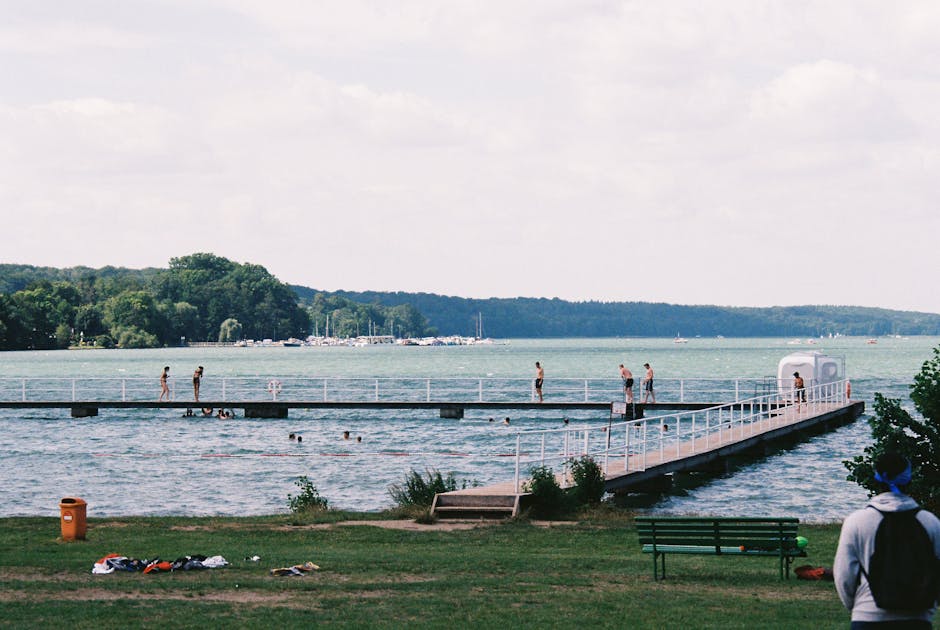
Start your visit on the promenade at Quai du Mont-Blanc (Quai du Mont-Blanc, 1201 Geneva) for a protected viewpoint over Lake Geneva and the Jet d’Eau. The quay is usually very busy during the day, with occasional municipal patrols and video surveillance on some stretches. For optimal safety, follow these tips: keep valuables in a closed bag worn in front of you, consider a crossbody money belt that zips, and avoid wearing flashy jewelry.
The Jet d’Eau (Quai Gustave-Ador, 1207 Geneva) doesn’t have a single postal address, but access is from Quai Gustave-Ador and Quai du Mont-Blanc. It’s a free site, open day and night: the water column is visible 24/7 except during maintenance. Watch out for street vendors offering « official » photos: politely decline and look for a respectful street photographer or use your own camera. Tourist boats from the Compagnie Générale de Navigation (CGN) dock at the Jet d’Eau and the neighboring quays; always buy your tickets at the official ticket office (Quai de Mont-Blanc 30, 1201 Geneva) or on the official website cgn.ch. Indicative fares: short round trip ~€12 for an adult, 1-hour cruise ~€20.
In terms of accessibility, the promenade is stroller- and wheelchair-friendly. Public toilets at Quai du Mont-Blanc charge a small fee: around €0.50. For a more local refreshment, Bains des Pâquis (Quai du Mont-Blanc 30, 1201 Geneva) is a good option; hammam and pool entry is about €8 for a public bath, and the café-restaurant offers simple dishes from roughly €7 to €18. Bains des Pâquis is open daily, roughly from 6:00 to 22:00 (seasonal hours apply).
Anti-scam tips: never follow a stranger who offers to show you « the best viewpoint » for a fee, don’t pay cash to unidentified vendors, and avoid buying tickets at the quay from people who seem rushed. If someone insists on helping with your luggage or camera, ask politely for ID. In case of trouble, Geneva Municipal Police (Place du Bourg-de-Four 1, 1204 Geneva) handle emergencies at 117; from abroad call +41 22 427 92 11 (non-urgent). Keep a city map on you and note your hotel address to avoid getting lost in heavily touristed areas.
2) Plotting a Safe Route to the Old Town: Trams, Bridges and Well-Lit Crossings
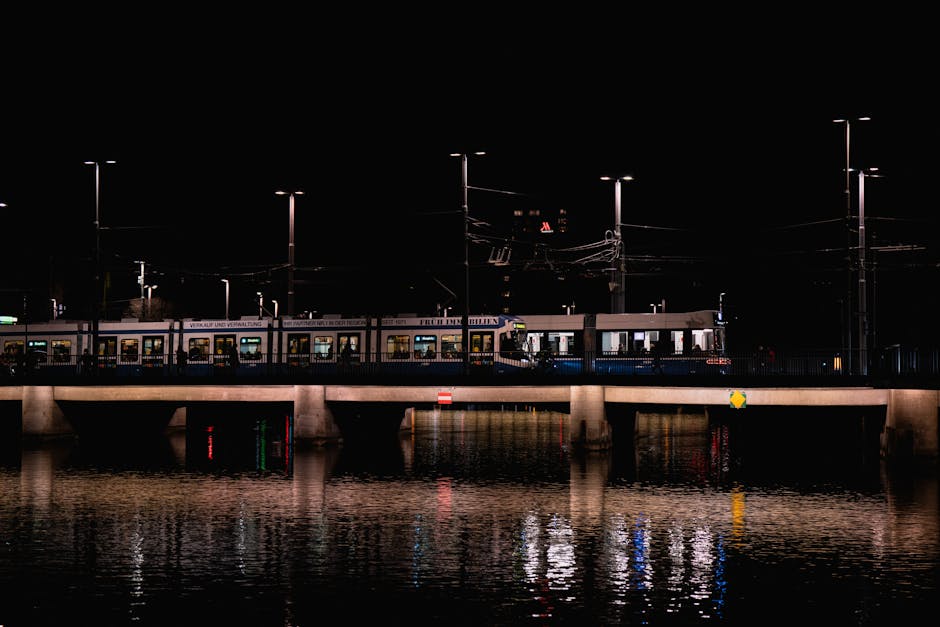
The natural route from the lake to the Old Town is to follow the west bank inland. Geneva’s public transport network (tpg) is efficient and safe: to go from Quai du Mont-Blanc to the Old Town, take tram No. 12 toward Carouge-Bibliothèque from the “Mont-Blanc” stop. A single ticket Zone 10 costs about €3.00 (indicative) and is valid for 60 minutes; buy it at station machines, via the tpg app, or at kiosks. Validation is mandatory or you risk a fine (around €100).
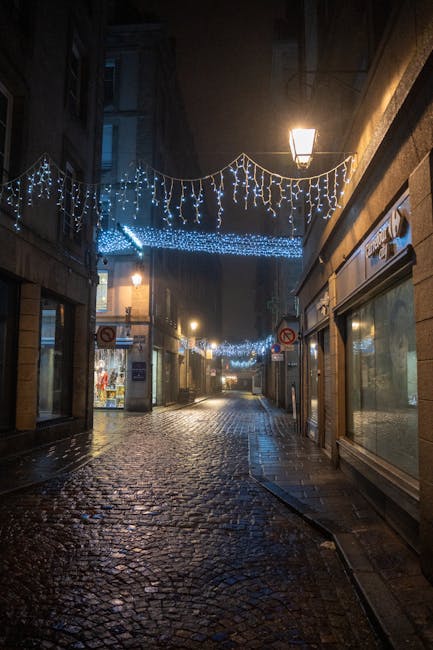
Get off at the tram stop “Rive” (Place de la Rive, 1204 Geneva) and cross the bank toward Pont du Mont-Blanc. This route leads you safely to Place du Bourg-de-Four and the Old Town’s main entrance. The quays are well-lit in the evening, but favor busier areas and avoid isolating yourself in little side streets after 10:00 pm. Trams run frequently — about every 6 to 12 minutes during the day, less often in the evenings and on Sundays.
To walk to the Old Town from Rive, follow Rue du Rhône (Rue du Rhône 6-12, 1204 Geneva) toward Rue du Marché then uphill to Place du Bourg-de-Four (Place du Bourg-de-Four 1, 1204 Geneva); the walk takes about 10–15 minutes. If you prefer a scenic stroll, take the promenade along the lake, pass the Grand Théâtre de Genève (Quai du Général-Guisan 10, 1204 Geneva) and enjoy the views. Bear in mind that some small Old Town streets are cobbled and slightly steep: wear comfortable, closed shoes.
Night safety: cantonal police patrol the area and official taxis (Taxi Genève, Place du Mont-Blanc) are reliable; a trip from the center to the bottom of the Old Town typically costs €8–12. Avoid unlicensed cabs and agree the fare upfront if a driver suggests an exorbitant price. Public bike stations (Genève Bike) are convenient for a quick route; use the official app and always lock the bike properly.
3) Exploring the Old Town Safely: Must-Sees and Traps to Avoid
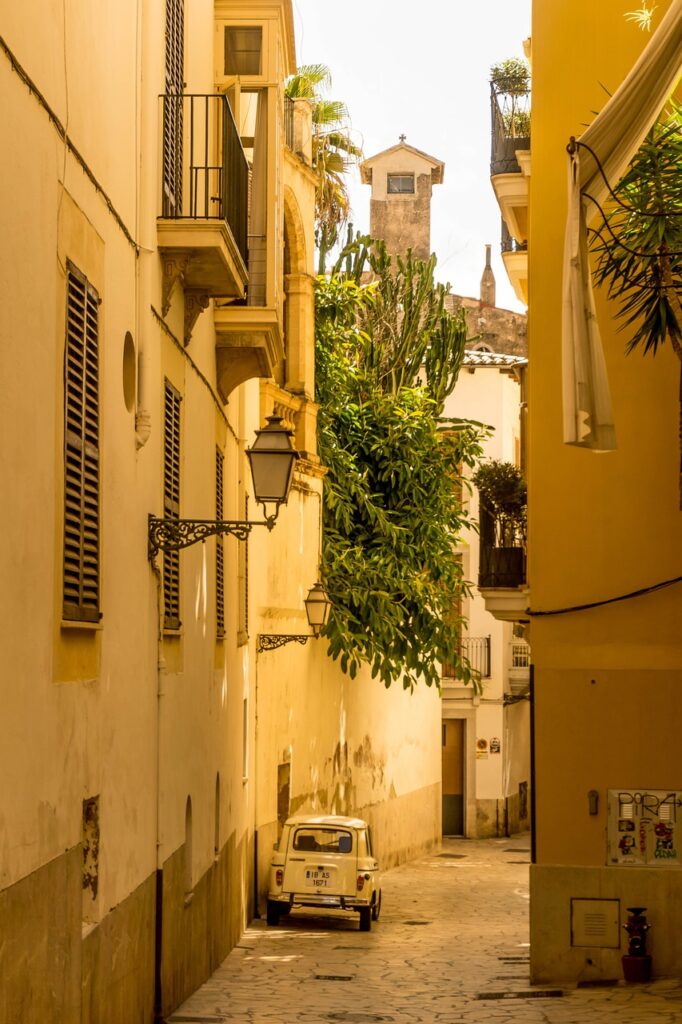
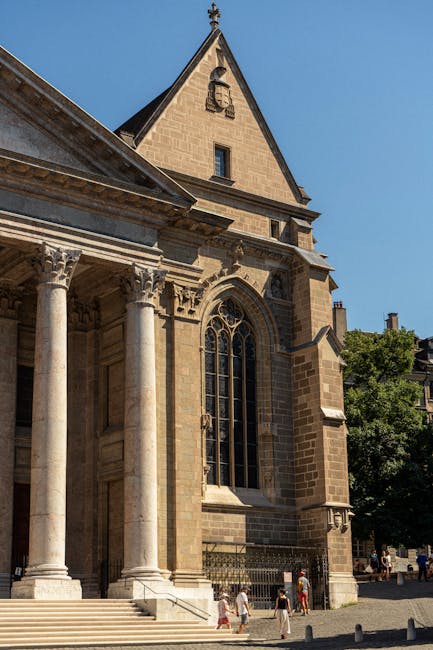
Geneva’s Old Town is compact and packed with sights: St. Pierre Cathedral (Place du Bourg-de-Four 24, 1204 Geneva), Maison Tavel (Rue du Puits-Saint-Pierre 6, 1204 Geneva), and Place du Bourg-de-Four (the historic center) are all within easy reach. Entry to the cathedral nave is free; climbing the tower for panoramic views costs about €6 (indicative) and is usually open from 10:00 to 17:00 outside special seasons. Maison Tavel, the city history museum at Rue du Puits-Saint-Pierre 6, has an entry fee of around €10 and typical hours of 11:00–17:00, closed on Mondays. Always check official sites for confirmation.
A common tourist trap in the Old Town is restaurant overcharging near major landmarks. For example, eateries on Place du Bourg-de-Four may list high prices for modest portions. For a solid meal at a fair price, favor places like Café du Soleil (Rue Général-Dufour 17, 1204 Geneva), famous for its fondue: mains cost around €20–30. Another local option is Buvette des Bains (Quai du Mont-Blanc 30) for simple, more affordable dishes; plates range €7–18.
Beware of fake guides: they often offer a fast « express tour » for cash and no identification. Always ask for official credentials or book through the Geneva Tourist Office (Place du Bourg-de-Four 2, 1204 Geneva); the desk provides brochures and official tours. Street sellers who insist on attaching bracelets or aggressively push souvenirs can be persistent: say no firmly and walk away. If you fall victim to a scam attempt, report it to the police (117) and, if you lost money, contact your bank’s fraud department.
Practical tips: carry a small flashlight if you plan to explore narrow passages after dark, keep digital copies of your important documents (passport/ID) and use an inside money pouch. Pharmacies in the Old Town (Pharmacie Rive, Rue de la Corraterie 6, 1204 Geneva) operate during the day and have emergency numbers for night service. For toilets, most cafés require a purchase; otherwise use the nearby paid public restrooms at main attractions.
4) Recommended Activities and Official Bookings: Avoid Fraudulent Offers
Booking in advance is often the best way to avoid scams. For a cruise on Lake Geneva, book through the official Compagnie Générale de Navigation (CGN): Quai de Mont-Blanc 30, 1201 Geneva, website cgn.ch. Indicative fares: 1 hour ~€20, 2 hours ~€35, 4-hour excursion ~€60. For museum visits: Musée d’Art et d’Histoire (Rue Charles-Galland 2, 1206 Geneva) charges around €12 for adult entry and is typically open 10:00–17:00 (closed Mondays); temporary exhibitions can change times.
For a United Nations tour (Palais des Nations, Avenue de la Paix 14, 1211 Geneva), book via the Visitor Centre: guided tours cost about €12 and times vary by session (reservation recommended). Avoid buying « VIP » spots at the door from unauthorized third parties. Local workshops (artisan chocolate, watchmaking) are often run by independent shops; prefer workshops listed by the Tourist Office.
Dining and culinary experiences: for a reliable meal, choose restaurants with clear ratings and a known address. For example, Les Armures (Rue du Puits-Saint-Pierre 1, 1204 Geneva) is famed for traditional fondue; mains are €25–40 depending on choice, and opening hours are 11:30–14:30 and 18:00–22:30. Always ask the price before ordering extras. Local markets (Plainpalais Market, Place du Plainpalais, hours vary, often 06:00–14:00 Tue/Thu/Sat) are a great way to buy fresh produce at local prices; cluster your purchases and pay by card where possible to avoid counterfeit bills.
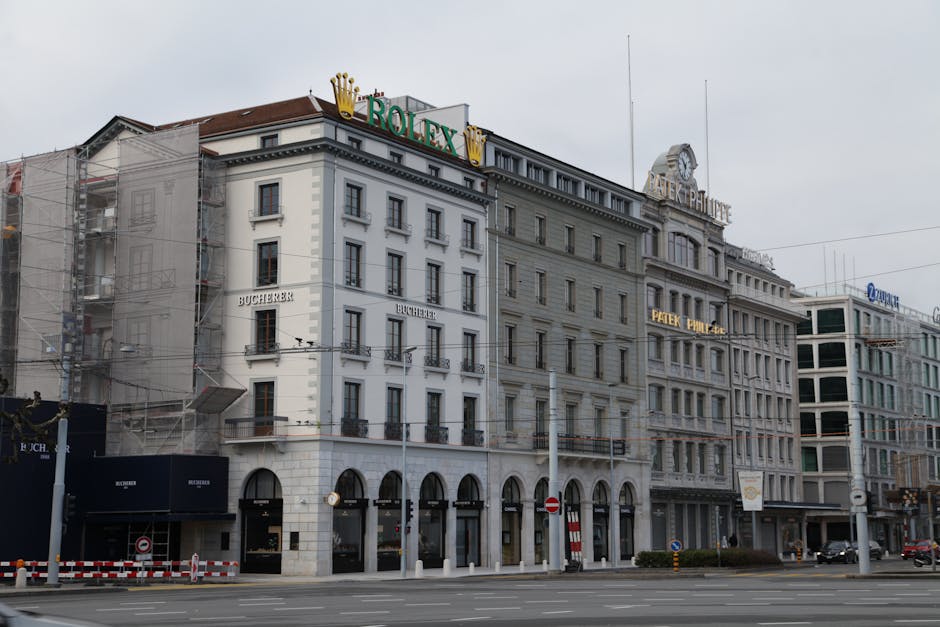
Tickets and payments: for any significant transaction, pay by card (don’t let it out of your sight) or use contactless payment. Avoid unaffiliated ATMs in tourist areas; use machines from established banks like UBS, Credit Suisse, or PostFinance. If you exchange money, use an official exchange office (e.g., Change Migros, Rue du Rhône 15) and check the rate applied. Always keep your receipts.
5) Local Tips for Getting Around, Night Safety and Health: Plan Ahead to Travel with Peace of Mind
Geneva is generally safe, but planning ahead will maximize your comfort. If you’re out late, plan your return on trams or buses (last services run between midnight and 01:00 depending on the line) or use night services like the Noctambus if available during events. For official taxis, look for the « taxi » signage and the vehicle’s official markings; the official directory is available at the Tourist Office. A typical fare from the Old Town to Cornavin train station is €8–12.
Health: carry a basic first-aid kit. Geneva pharmacies provide emergency services and consultations: Pharmacie Centrale (Rue du Rhône 25, 1204 Geneva) is usually open during the day. For urgent medical assistance call 144 (ambulance). For non-urgent care, ask the Tourist Office for evening medical centers.
Connectivity: enable roaming if needed, but consider buying a local SIM if you’ll stay for a while. Free Wi‑Fi hotspots are often available in cafés and at Cornavin station. If you lose items, contact Geneva’s lost and found service (Service des objets trouvés, Rue des Terreaux-du-Temple 2, 1201 Geneva); keep a written description of your belongings and proof of purchase to speed up recovery.
Local tip: try to explore early in the morning (before 10:00) for crowd-free photos and a peaceful atmosphere; pickpocket risk is lower. Rush hours (08:00–09:30, 17:00–19:00) increase activity on quays and trams — keep your belongings close. If traveling with children, give them an ID bracelet with your phone number and accommodation address and put it on as soon as you enter busy areas.
Conclusion: Informed Travel Is Safer Travel
Between Lake Geneva and Geneva’s Old Town, beauty and history meet on every corner. That popularity draws crowds, but with a little preparation and a few simple rules, you can turn a potentially stressful visit into a calm, rewarding experience. Remember the essentials: buy tickets at official counters (CGN, tpg), favor electronic payments or official bank ATMs, politely decline unsolicited offers, and keep valuables within sight but out of obvious view.
Plan your movements during off-peak hours for better photos and quieter walks, book museums and cruises ahead, and choose restaurants and workshops recommended by the Tourist Office to avoid overcharging. If you travel at night, stick to main routes, use official taxis if needed, and note local emergency numbers. If problems arise, Geneva police can be reached at 117, and tourist services can point you to quick solutions.
Finally, adopt the local attitude: polite but firm with solicitations, curious about the small historic streets, and respectful of the places you visit. Geneva offers a rare mix of natural spaces and urban heritage; by avoiding tourist traps you’ll enjoy more authentic moments — a quiet coffee by the lake, a terrace in the Old Town at golden hour, or a refreshing dip at Bains des Pâquis. Enjoy every step, safely and confidently.