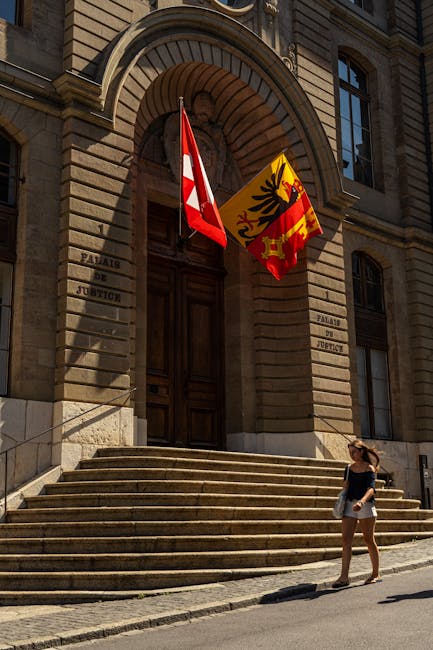






Introduction — Studying in Geneva: why getting your paperwork right matters
Geneva is a top destination for international students: home to international organisations, cutting-edge research centers, respected universities and schools, plus lakeside scenery and mountains within easy reach. But before you can enjoy the shores of Lake Geneva and the cafes of the Old Town, every foreign student needs to navigate a specific set of administrative steps: visa, residence permit, health insurance, municipal registration, opening a bank account, and many other essential formalities. This practical, step-by-step guide walks you through these procedures, highlighting the exact places to go, typical opening hours, indicative costs in euros, and local tips to save time and avoid common mistakes.
The reality in Geneva mixes Swiss federal rules (immigration, the basic health insurance known as « LAMal ») with cantonal procedures (cantonal registration, student work permits, accommodation taxes for certain housing). Geneva also tends to require quite thorough supporting documents: proof of enrolment at the university or school, proof of financial means or scholarship certificate, lease contract, and sometimes a medical certificate or proof of insurance. This guide keeps a practical tone: exact service addresses, usual hours (morning/afternoon), fees shown in euros to help with budgeting, and immersive descriptions of what to expect on site (queues, multilingual information desks, ticket machines, etc.).
We cover the main steps: how to get the right visa before you leave, how to apply for and renew a student residence permit in Geneva, which insurances to take out (basic health, liability, accident), where to declare your arrival, plus practical advice on housing, banking and daily life. You’ll also find concrete contact points, like cantonal population services, immigration offices, insurance counters, and the contact details of university student support structures. Finally, local hacks — off-peak hours to avoid queues, documents to photocopy, and digital alternatives — will help you complete these steps calmly and quickly.
Permits, visas and registration: steps on arrival
Before you leave: which visa should you apply for?
If you’re a citizen of the EU/EFTA, you usually don’t need a visa to enter Switzerland, but you must declare your arrival and apply for a residence permit once you have an enrolment contract or official registration. For students from third countries (outside the EU/EFTA), you generally need to apply for a national D visa (long-stay student visa) at the Swiss embassy or consulate in your country. Typical documents required include: an acceptance letter from your institution (University of Geneva, Geneva University of Applied Sciences, etc.), proof of sufficient financial means, housing contract, health insurance or proof of coverage, and sometimes a medical certificate.
Indicative fees: national visa fees vary but are usually around €60–€100 for the initial procedure (depending on country and consular services). Timelines: allow 4 to 12 weeks depending on the time of year. Tip: start the process as soon as you receive your acceptance letter to avoid delays.
In Geneva: submit your permit application and register
As soon as you arrive in Geneva, you must go to the cantonal office responsible for residence permits. The main desk for population and migration matters in Geneva is commonly known as the « Service de la population (SPOP) / Cantonal Office for Population and Migration. » Indicative address for the administrative center: Service de la population — State of Geneva, Rue de l’Hôtel-de-Ville 2-4, 1204 Geneva. Usual opening hours: Monday to Friday, 08:30–11:30 and 13:30–16:00; some counters offer extended hours on Wednesday evenings until 18:00. Note that you will often need to make an online appointment via the Canton’s website.
Documents to bring: original passport, visa (if applicable), acceptance letter from your institution, lease contract or proof of accommodation, proof of funds (bank statement, scholarship certificate, sponsor letter), recent ID photo, and sometimes a birth certificate. Permit fees: administrative fees are usually modest, roughly €90–€120 for issuing an L or B permit (estimate). Processing time: from a few days up to 4 weeks depending on workload.
Essential insurance: health, accident, liability
Switzerland requires basic health insurance (LAMal) for anyone residing in the country, including foreign students, except in very specific cases (students already covered by a recognised international insurance or by their home country’s social security under agreements). In Geneva, you must take out health insurance promptly after arrival, usually within three months of registering with the cantonal register, otherwise you risk fines and retroactive premium debts.
Health insurance (LAMal) — options and costs
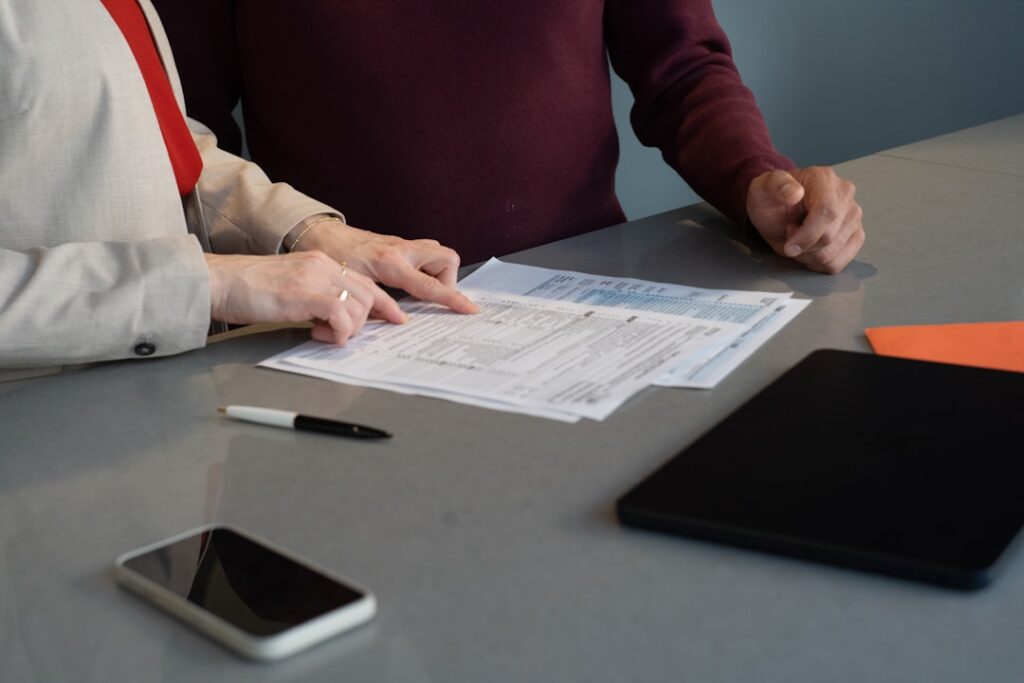
Private health insurers offer the LAMal coverage. For orientation, student premiums typically range from about €100 to €400 per month depending on the deductible and level of coverage — the average for a young adult is often around €220–€300/month. Examples of insurers active in Geneva: Groupe Mutuel, Assura, Helsana, Swica. Local information centers: Groupe Mutuel — Rue de la Rôtisserie 3, 1204 Geneva (service hours 09:00–17:00), Helsana — Rue du Marché 10, 1204 Geneva (09:00–16:30). It’s recommended to check websites and book an appointment to compare offers.
Practical tip: compare deductibles (higher deductible equals lower premium), check coverage for care abroad if you travel often, and keep all registration certificates and payment receipts. Be prepared: bring your university enrolment contract and your residential address when signing up.
Accident insurance and liability insurance
Accident insurance may be covered by an employer in Switzerland (for students who work) but otherwise it should be taken out separately or may be included in some supplementary LAMal policies. In addition, private liability insurance (third-party liability) is highly recommended: it covers damage you cause to others (damaged rental property, accidental injuries). Liability insurance for students is usually inexpensive: around €30–€70 per year.

Practical formalities: housing, bank account, part-time work
Finding stable housing and handling related formalities is also essential. Geneva is an expensive city for housing; rent for a room in a flatshare generally ranges between €500 and €900/month, and for a studio between €900 and €1,600/month, depending on location and size. Student-favored neighborhoods include Plainpalais, Eaux-Vives, Carouge and Jonction. Examples of useful contacts and addresses: University of Geneva — Student Housing Office, Boulevard du Pont-d’Arve 40, 1205 Geneva (hours 09:00–12:00, 13:30–16:30); a local real-estate agency: Régie du Rhône — Rue du Rhône 24, 1204 Geneva.
Opening a bank account: most Swiss banks require proof of address, a passport, enrolment certificate and sometimes permit documentation. Banks commonly used by students include UBS — Place Bel-Air 1-3, 1204 Geneva (counters 08:30–17:00), Credit Suisse — Rue du Marché 16, 1204 Geneva. Fees and services: some student accounts offer reduced fees or free accounts for the first year; check access to e-banking and Maestro/Mastercard issuance.
Part-time work: students holding a B or L permit can usually work in Switzerland, but restrictions apply (limited hours during semesters). Exact conditions depend on the permit type and your nationality. The local employment office (Cantonal Employment Office) provides information and job listings; useful address: Employment Service — Rue de la Servette 29, 1202 Geneva (hours 08:30–12:00 and 13:30–16:30).
Key addresses, opening hours and local tips to save time
Here’s a condensed list of useful addresses and opening hours for the most common procedures in Geneva. Note that hours may change and online appointments are often recommended.
- Service de la population — State of Geneva | Address: Rue de l’Hôtel-de-Ville 2-4, 1204 Geneva. Hours: Mon–Fri 08:30–11:30, 13:30–16:00 (online appointment recommended).
- University of Geneva — Enrolment and International Relations Office | Address: Boulevard du Pont-d’Arve 40, 1205 Geneva. Hours: Mon–Fri 09:00–12:00, 13:30–16:30. Student desk address: Uni Mail building, Rue du Général-Dufour 24.
- Health insurance centres (examples): Groupe Mutuel — Rue de la Rôtisserie 3, 1204 Geneva (09:00–17:00); Helsana — Rue du Marché 10, 1204 Geneva (09:00–16:30).
- Cantonal Employment Office | Rue de la Servette 29, 1202 Geneva. Hours: 08:30–12:00, 13:30–16:30.
- Geneva University Hospitals (HUG) | Rue Gabrielle-Perret-Gentil 4, 1211 Geneva 14. Emergencies 24/7. Costs vary depending on insurance coverage.
Local practical tips: favour weekday mornings for administrative appointments (8:30–10:30) to avoid queues; arrive with paper copies and neatly organized originals; take photos/scans of all documents you submit or receive; use TPG (Geneva Public Transport) and check student mobility cards for possible discounts. Most public services operate in French and English; bring certified translations only if explicitly requested.

Extra practical tips and mistakes to avoid
Some mistakes are common among new arrivals: underestimating the budget for insurance and rent, turning up at official counters without an appointment, forgetting your university enrolment form when signing up for insurance, or waiting too long to register with the cantonal registry. To avoid these pitfalls:
- Plan your budget: prepare a monthly estimate including rent, health insurance (estimate €220–€300), food (€200–€350), transport (half-fare card or student TPG pass €50–€80/month depending on the offer) and extras. These figures are indicative in euros.
- Book online appointments for cantonal services; print your booking confirmation and bring it with you.
- Digitise and back up all important documents (passport, insurance, permit, lease) in a secure cloud.
- If you’re part of a university, contact the international student office: they often maintain lists of recommended insurers, partner housing options, and orientation workshops.
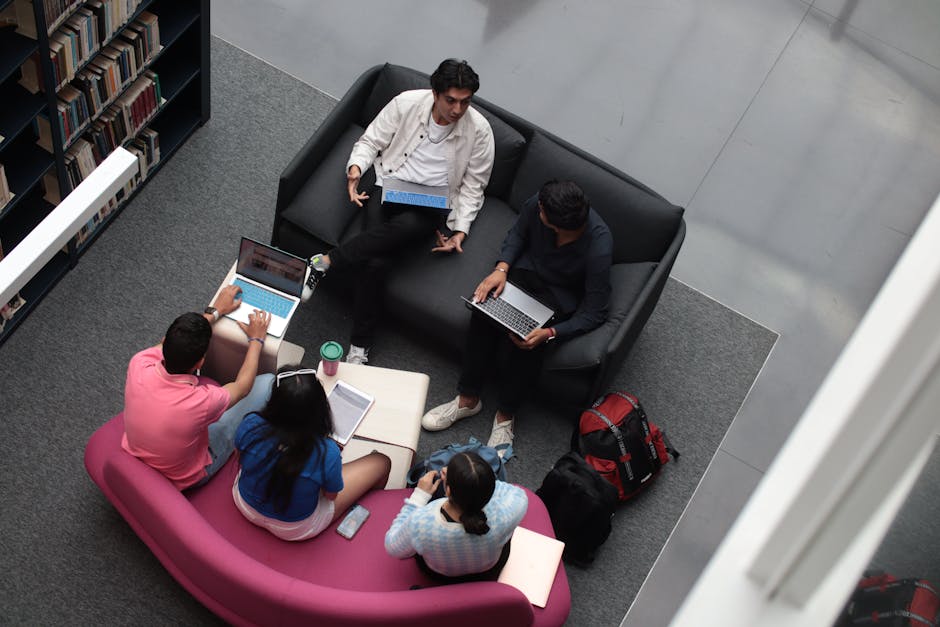
Be proactive and polite: Geneva’s administrative staff can be very efficient if you arrive prepared and respectful of local rules. Finally, get involved in the student community (associations, Facebook/WhatsApp groups, university forums): recent arrivals often share the most useful tips.
Conclusion — Get organised so you can enjoy Geneva stress-free
Moving to Geneva as a student is an enriching experience, but it requires solid administrative preparation. From applying for a visa before departure to registering with the cantonal office, taking out LAMal-compliant health insurance and finding accommodation, each step has its own rules, opening hours and sometimes costs. This guide aims to give you a clear roadmap: practical addresses (Service de la population, University of Geneva, insurers), usual time slots to avoid queues, price estimates in euros to help budgeting (health insurance €220–€300/month indicative, permit €90–€120 estimate, variable rent), and local tips to save time.
Remember that requirements can change: always verify information on official sites (State of Geneva, university, insurers) and book online when possible. Keep copies of all exchanges and payments, and build a local network (student services, flatmates, associations) for first-hand advice. By staying organised, informed and proactive, you’ll turn these necessary formalities into quick steps and free up your time for what matters most: your studies, international connections and discovering this unique lakeside city.