





Introduction — Sustainable Mobility in Geneva: Pass or Single Ticket to Cut Your Carbon Footprint
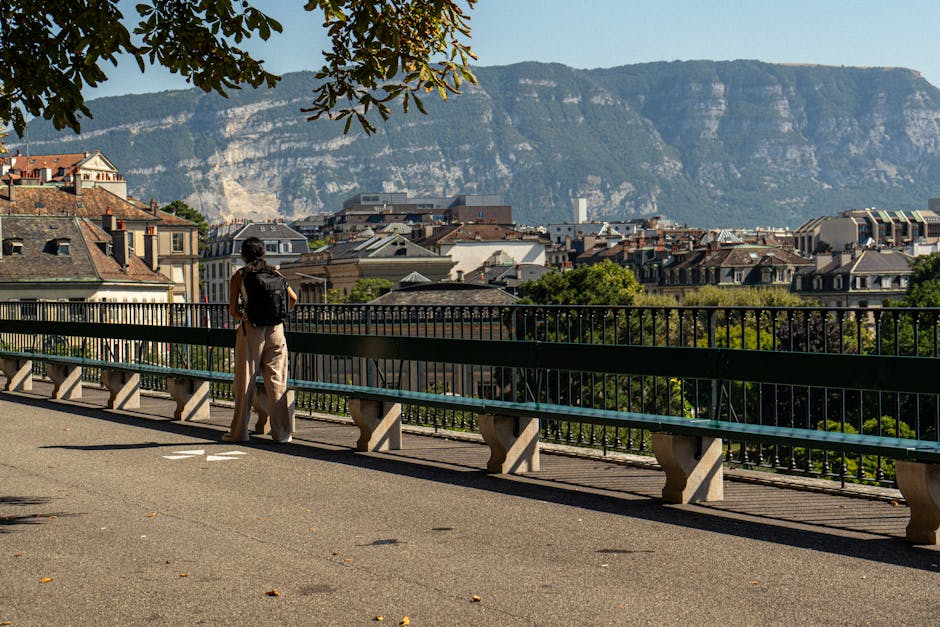
Geneva is a city where quality of life and urban mobility go hand in hand. Between the iconic Jet d’Eau, the promenades along Lake Geneva, neatly planned residential neighborhoods and international institutions, moving around efficiently while shrinking your carbon footprint quickly becomes a priority for both locals and visitors. In this context, Geneva’s public transport offering—mainly run by Transports Publics Genevois (TPG) and complemented by Swiss Federal Railways (CFF) and cross-border connections—provides a range of choices: single tickets, hourly tickets, day passes, monthly or annual subscriptions, and regional or national passes (like the Swiss GA/AG). Each option has environmental, financial and practical consequences. This guide will help you decide between a pass and single tickets based on how you travel, how long you’ll stay and your eco goals in Geneva.
This article has two goals: first, to give you clear, practical information — addresses, opening hours, indicative prices in euros, where to pick up tickets and sales points — and second, to offer actionable tips to lower your carbon footprint while staying on budget. We’ll cover sustainable transport options in Geneva: trams, buses, trains, lake shuttles, bike-sharing, electric scooters and walking. You’ll find immersive descriptions of key stations, where to get subscriptions, and local hacks (best times to travel, subscription combos, tips for tourists and cross-border commuters).
Sustainable mobility isn’t just about how you pay (pass vs ticket): it’s about trip frequency, distance, whether you can shift a trip to a non-motorized mode, and access to alternatives (bikes, carpooling, night trams). In Geneva many initiatives make the transition easier: modern tram fleets, electric buses, pedestrian zones, bike infrastructure and fare integration between TPG and CFF through the Unireso zone system. This guide will help you estimate CO2 and euro savings based on your habits and pick the best option—whether you’re visiting for a few days, on a months-long assignment, or settling in for good.
Before we dive into subscriptions and tickets, here’s a quick summary of the main takeaways: 1) Buy in advance only if you’re certain you’ll use it — a monthly pass pays off once you make multiple trips per day; 2) For short stays, single tickets or day passes are often cheaper and more flexible; 3) Use main hubs for transfers: Genève-Cornavin station, Geneva International Airport and notable stops like Place du Molard; 4) Maximize active modes — walking and cycling — to lower your local footprint; 5) Refer to the price/footprint comparisons in this guide to weigh euros against estimated emissions.
1) Understanding Geneva’s network: operators, fare zones and key access points
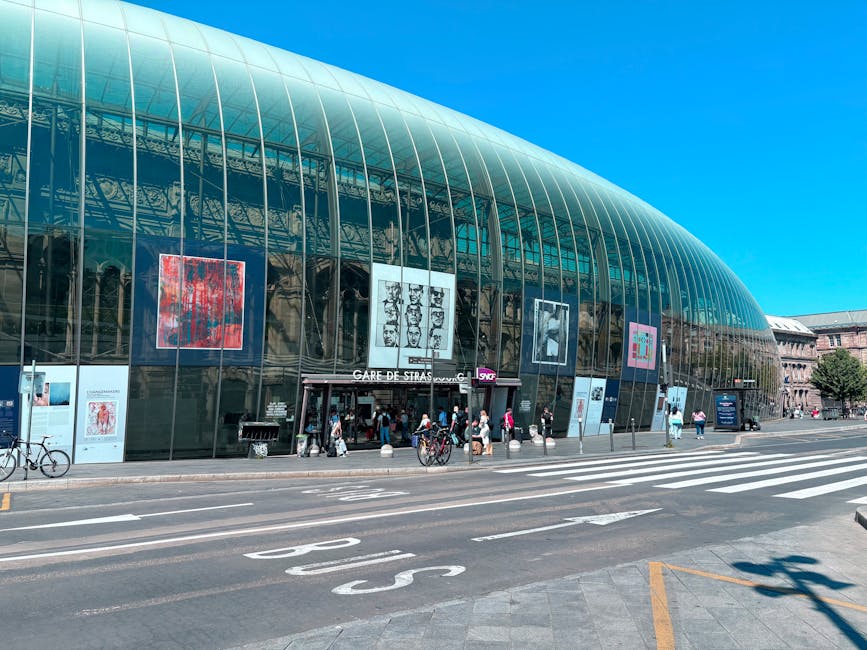
To choose between a pass and single tickets you first need to understand Geneva’s transport layout. Transports Publics Genevois (TPG) operate trams, buses and trolleybuses across the canton and are integrated into the Unireso fare system, which lets you transfer between TPG, CFF (Swiss Federal Railways) and nearby regional networks. The system is organized by zones: the most used central zone is zone 10 (Geneva), and fares change depending on how many zones you cross. Transfers between bus, tram and train are concentrated around the main hubs you’ll encounter frequently.
Essential access points:
- Gare de Genève-Cornavin — Place de Cornavin 1, 1201 Genève. This is the rail heart of the city and the main TPG hub. Opening hours: ticket counters usually open from 05:00 to 22:00 depending on the season; CFF trains run from about 04:30 until midnight, with some night services on weekends. Tickets can be purchased at the CFF counter, ticket machines and on the CFF/SBB app.
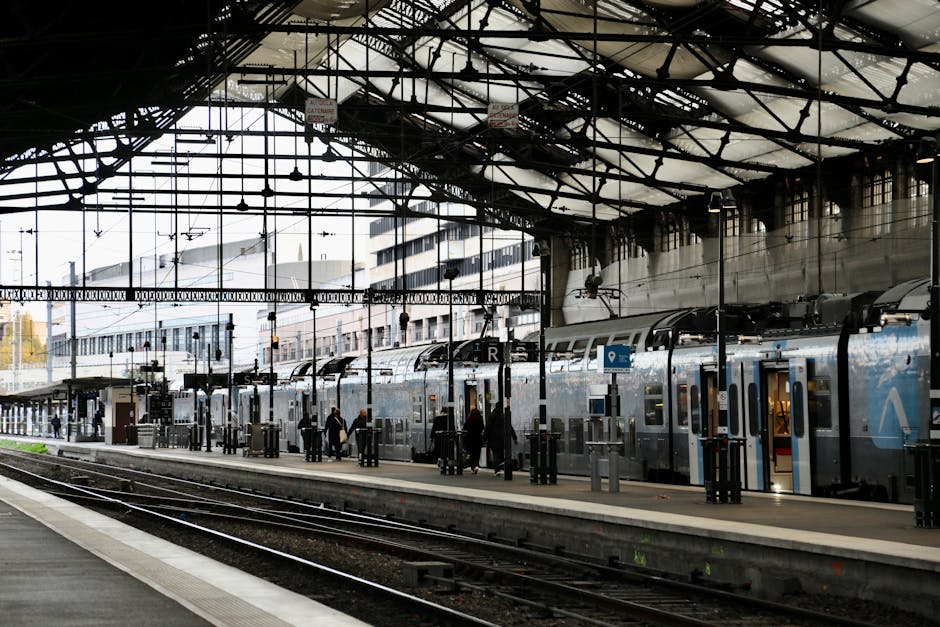
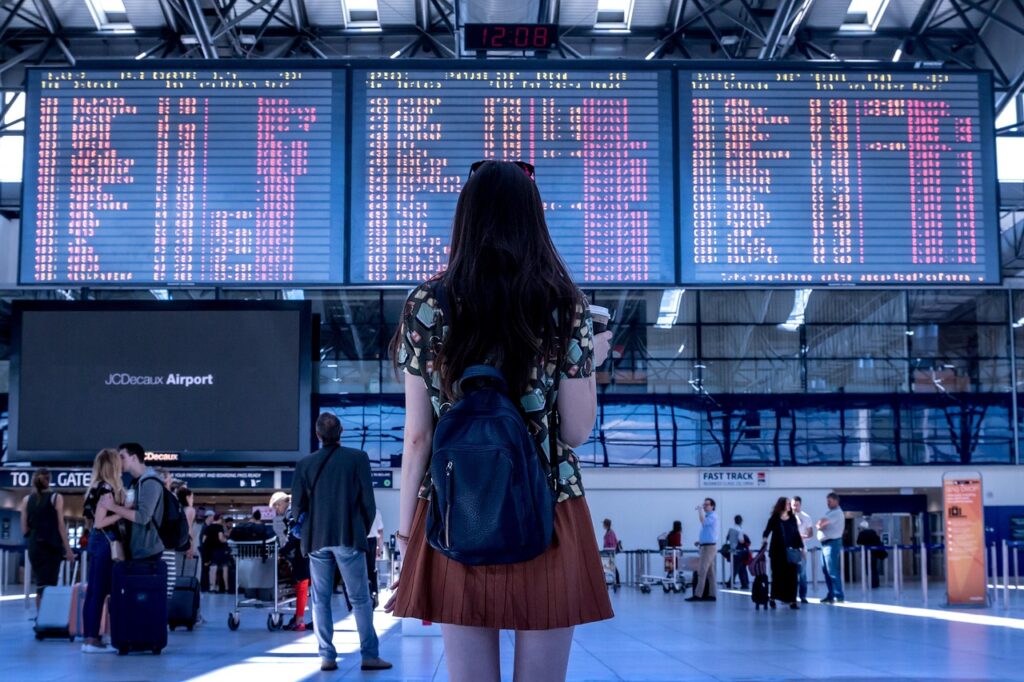
- Geneva International Airport (Aéroport International de Genève) — Route de l’Aéroport 21, 1215 Genève (Le Grand-Saconnex). Shuttle buses and a direct train line link to Cornavin. Opening hours: the terminal is open 24/7, with regional trains every 12–15 minutes during the day. Counters selling TPG and CFF tickets are in the arrivals hall.
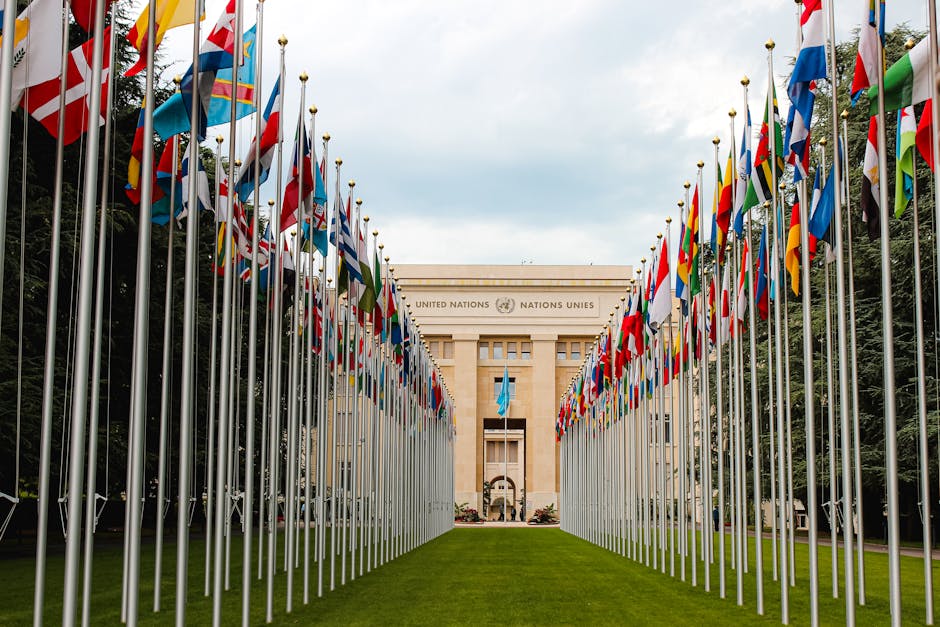
- Palais des Nations (United Nations Office) — Palais des Nations, 1211 Genève. Direct access by tram/bus from Cornavin. Opening hours: guided visits and access depend on reservations; nearest tram stops: Appia or Nations.
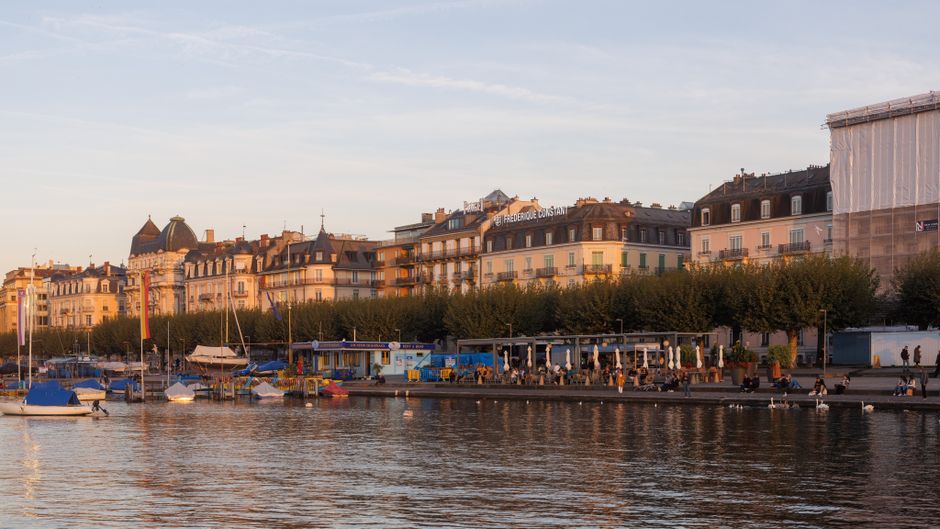
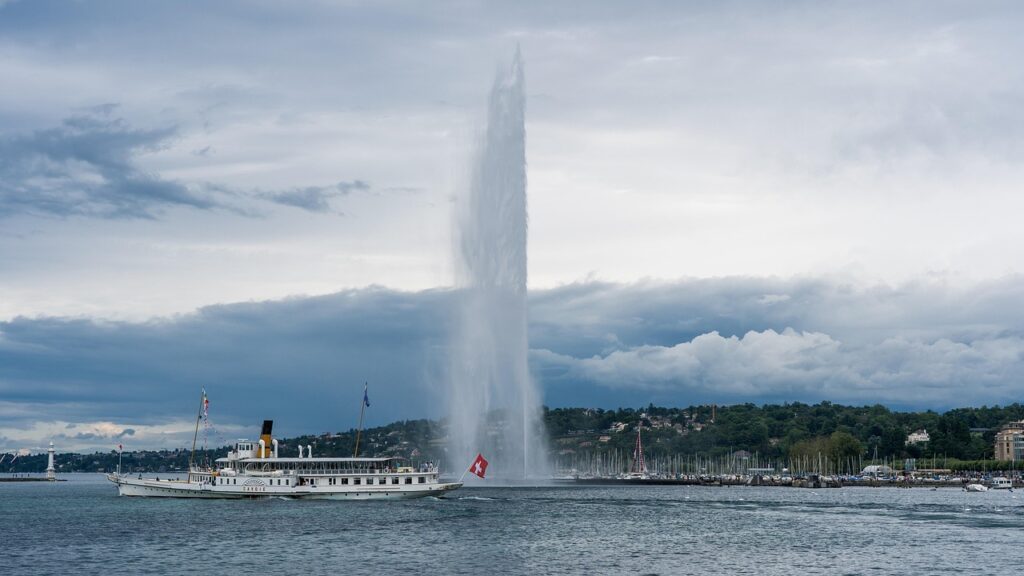
- Jet d’Eau — Quai Gustave-Ador, 1207 Genève. The lakeside landmark is perfect for combining a walk with public transport. Nearest tram stop: Mont-Blanc.
About fares: a single ticket for the central zone is generally very affordable and suits occasional trips. Prices change over time: as a rough guide, in 2025 a single-zone-10 ticket costs around 3 CHF (~2.80 EUR), a 24-hour pass for zone 10 is about 10 CHF (~9.50 EUR), a monthly pass for zone 10 is roughly 70 CHF (~66 EUR) and an annual regional pass can be around 700 CHF (~660 EUR). The Swiss General Abonnement (GA/AG), which gives unlimited train travel on the CFF and often includes local transport, is pricier but extremely convenient for frequent rail users: about 3,860 CHF/year (~3,630 EUR). These euro conversions are approximate and depend on exchange rates; always check official TPG and CFF sites for up-to-date fares.
2) Single tickets and day passes: best for short stays and visitors
If you’re in Geneva for a few days, single tickets or day passes usually strike the best balance between flexibility and cost. Standard options are the single ticket (valid for a set time depending on zones) and the 24-hour pass (or multi-day passes) for selected zones. These are easy to buy: ticket machines at tram stops and stations, the TPG app, or CFF counters.
Practical examples and indicative prices (in euros):
- Single ticket — Zone 10 (Geneva): about 3 CHF (~2.80 EUR), valid for a limited time (typically 60–90 minutes) with unlimited transfers within the purchased zone(s). Purchase at the ticket machine at Gare de Genève-Cornavin (Place de Cornavin 1, 1201 Genève) or via the TPG app. Machines at major stations are accessible 24/7.
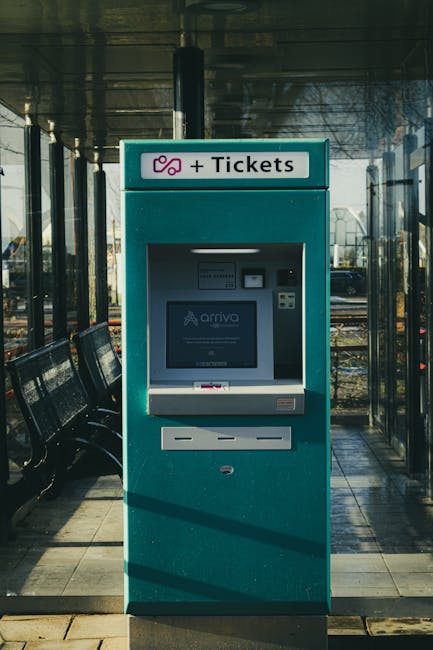
- 24-hour pass — Zone 10: around 10 CHF (~9.50 EUR). Great for a day of sightseeing (Jet d’Eau, Old Town, museums). Available at the same sales points; valid from first validation. Tip: buy it if you plan more than 3–4 trips in a day.
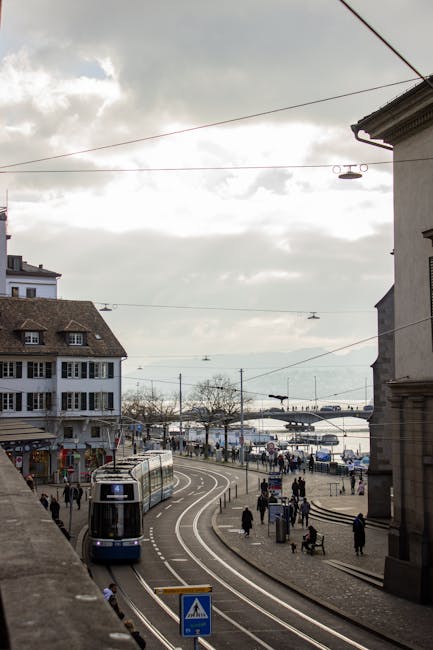
- 3-day pass / combined City Card: certain tourist offerings (e.g. combos with the Swiss Travel Pass) may include free or reduced journeys; prices vary by package. Check with the Geneva Tourist Office — Rue du Mont-Blanc 18, 1201 Genève — typically open 09:00–18:00.
Local tips:
- For a 1–3 day visit focused on central Geneva, the 24-hour pass often gives the best value—you’ll avoid the hassle of buying multiple tickets and can travel spontaneously.
- Ticket machines accept cards and cash, but use card payments for faster transactions. For tickets bought in the TPG app, download and activate them before boarding to avoid issues during inspections.
- If you arrive at the airport, the train to Gare de Cornavin is free for travelers holding a TPG 24-hour ticket bought at the arrivals counter—check with the Geneva International Airport welcome kiosk (Route de l’Aéroport 21, 1215 Genève).
- Night visitors: the network runs night lines on certain evenings (mainly Fridays and Saturdays); check TPG schedules or station boards. Night fares are the same as daytime fares for equivalent validity periods.
3) Monthly and annual passes: when they pay off for residents
If you live in Geneva, commute daily or make frequent trips, a monthly or annual pass is usually the most economical and comfortable choice. A pass lets you hop on trams and buses without buying a ticket each time, and it’s often combinable with other services (discounts, CFF integration). Here’s how to assess whether a pass makes sense.
Main plans and indicative prices (approximate in euros):
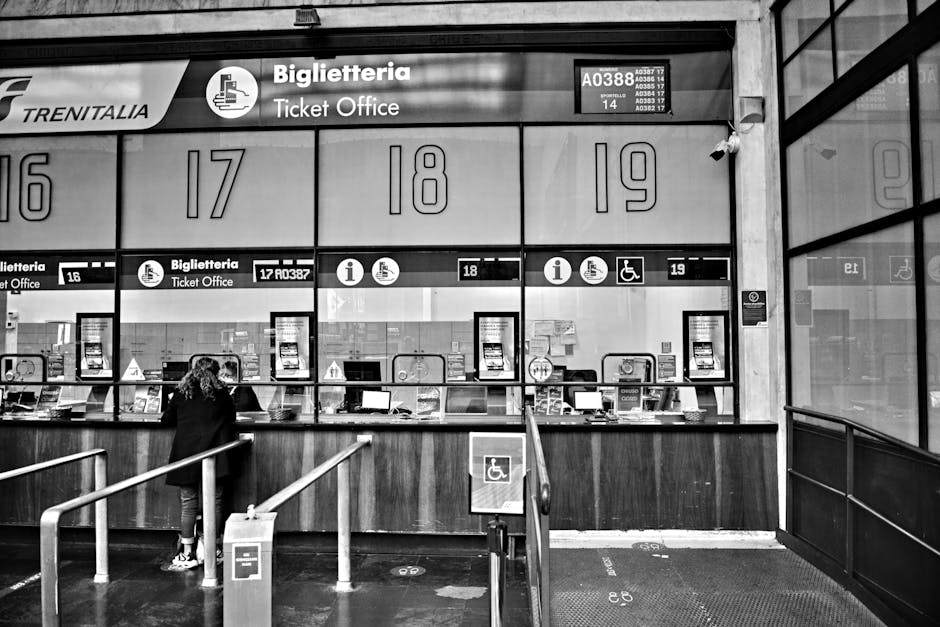
- Unireso monthly pass — Zone 10 (Geneva): about 70 CHF (~66 EUR). It becomes cost-effective if you make at least two round trips per working day. Purchase at TPG counters and online; pick-up is possible at the customer desk at Gare de Genève-Cornavin (Place de Cornavin 1, 1201 Genève). Customer desk hours: typically 08:00–18:00 on weekdays.
- Local annual pass: roughly 700 CHF (~660 EUR) for several zones; price varies by coverage area. Ideal for residents who travel daily. Annual passes are usually paid upfront or in monthly installments, depending on the provider.
- General Abonnement (GA/AG): 3,860 CHF (~3,630 EUR) for unlimited access to the Swiss rail network and often bundling options. It’s worth it if you frequently take intercity and regional trains in addition to local transport. Sales and information at the CFF counter in the Gare de Genève-Cornavin.
Environmental benefits:
- A pass encourages regular use of public transport instead of private cars, reducing CO2 emissions per passenger.
- Choosing combined subscriptions (e.g. CFF + TPG integration) promotes multimodal trips (train + tram), cutting car commutes for cross-border workers.
- Some passes offer discounts for carrying a bike (outside peak hours) or for shared mobility services, encouraging mixed, more sustainable modes.
Practical advice:
- Think about how long you’ll stay: a month or more in Geneva? Run the break-even calc (number of trips × single ticket price vs monthly cost). Generally, about 20 single one-way trips per month will justify a central-zone monthly pass.
- If you’re a cross-border commuter (from nearby France), check cross-border subscription options: CFF and TPG offer tailored solutions. Bring proof of residence and ID to the CFF counter at Gare de Genève-Cornavin to subscribe.
- Students and low-income residents: ask about specific discounts (half-fare cards, youth reductions). The Maison du Développement Durable and municipal social services can point you to assistance. Useful address: Service social de la Ville de Genève, Rue du Conseil-Général 10, 1205 Genève.
4) Sustainable alternatives and combos: bikes, boats, carpooling and local hacks
To further cut your footprint, combine a pass or ticket with softer mobility options. Geneva has a good network of cycle paths, pedestrian zones and lake shuttles that add an eco-friendly and scenic touch to your journeys.
Options and where to find them:
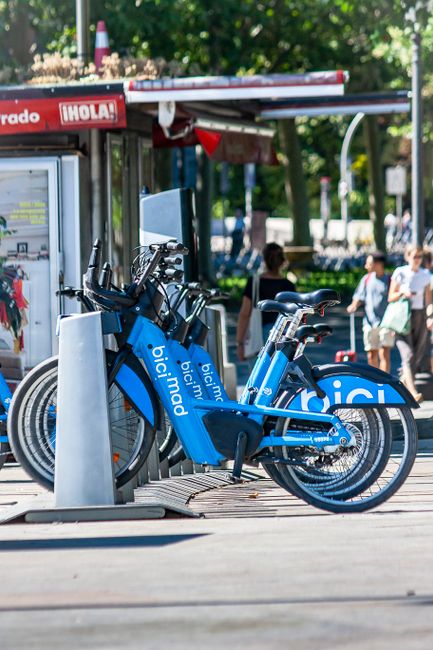
- Bike-sharing: several private operators and municipal schemes offer classic and electric bikes at docking stations. Common locations: Gare de Genève-Cornavin (Place de Cornavin 1), Quai du Mont-Blanc. Typical prices: €1.5–3 per half hour for a regular bike, €3–6 for an e-bike depending on the operator.
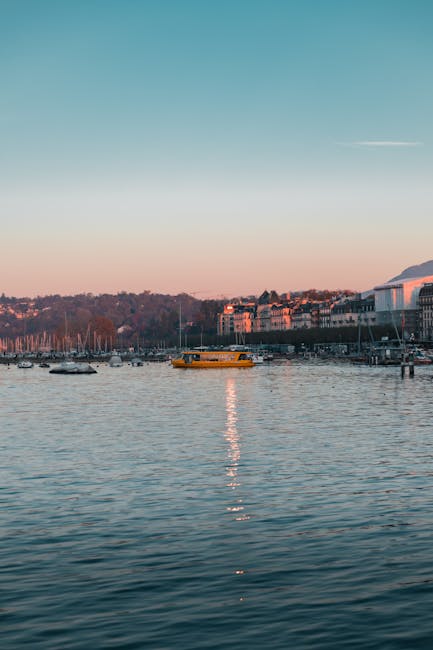
- Lake shuttles / Mouettes Genevoises: the « Mouettes Genevoises » run regular crossings on Lake Geneva between central quays (e.g. Quai du Mont-Blanc, Quai Gustave-Ador); some routes are included in Unireso fares depending on zone or tourist pass. Service hours: typically frequent between 08:00 and 20:00 in daytime, varying by season. Fares: short trips roughly €3–6 depending on distance.
- Carpooling and car-sharing: for trips not covered by public transport, car-sharing services (Voiturelib, Mobility) and carpooling options are available; parking spots are common near Cornavin, the Airport and Place du Rhône. Pricing: hourly or per-minute rates around €5–10/hour plus per-kilometer fees.
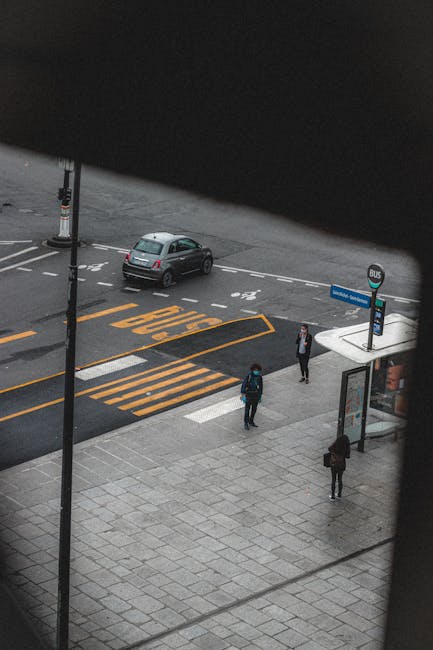
- Walking and pedestrian zones: the Old Town (Vieille-Ville) is especially pleasant on foot; the walk between Gare de Cornavin and the Jet d’Eau takes about 20–30 minutes at a steady pace, letting you skip a short tram ride and enjoy the scenery.
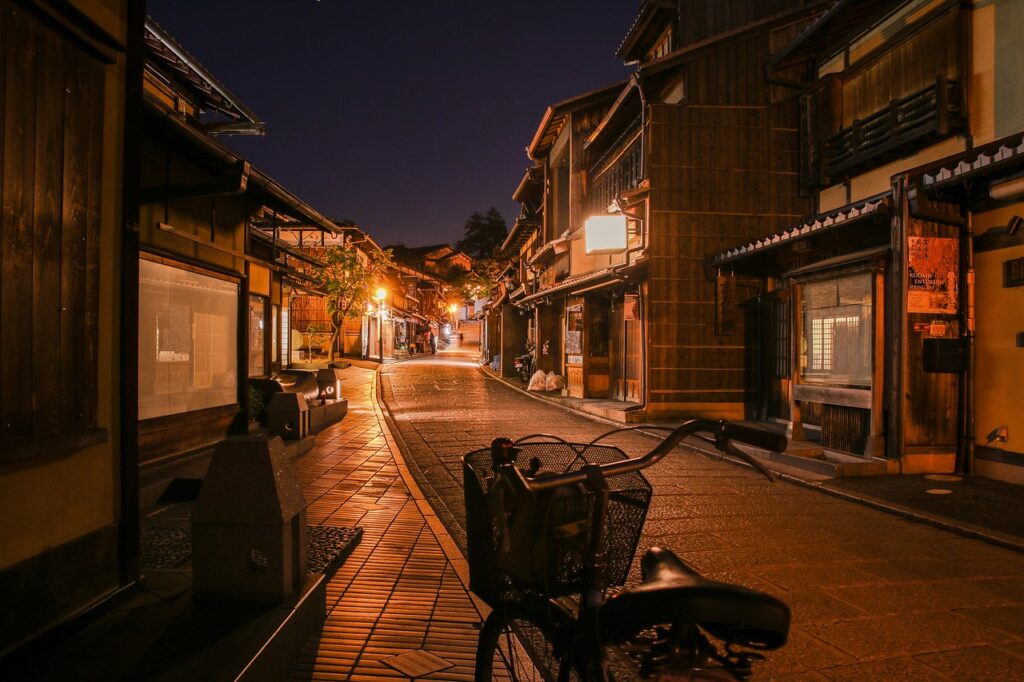
Local tips for mixing modes:
- Before committing to a subscription, try a mixed month: single tickets plus a few bike hires. That will give you a realistic picture of your travel patterns without long-term commitment.
- Use park-and-ride (P+R) facilities on the outskirts to leave your car and switch to public transport: e.g. Parking P+R Etoile (Route de l’Etoile 20, 1213 Petit-Lancy). P+R pricing is usually competitive and cuts how far you drive into the center.
- Know peak hours (07:00–09:00 and 17:00–19:00): if you can shift travel times (remote work, staggered hours) you’ll avoid crowds and reduce congestion.
- On emissions: replacing a car trip with tram or train significantly lowers per-passenger emissions. Likewise, a bike+tram combo is often the greenest and fastest option in the city.
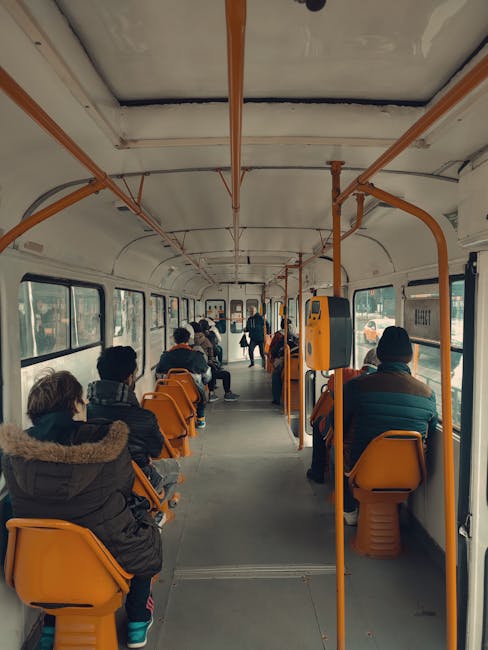
Conclusion — Choosing between a pass and single tickets: summary, recommendations and sustainable outlook
Picking between a pass and single tickets in Geneva mainly depends on how often and what kind of trips you make. For short-term visitors (1–3 days), single tickets or 24-hour passes provide optimal flexibility and remove the need for detailed planning. For residents and cross-border commuters with daily travel, a monthly or annual pass quickly becomes cost-effective—both financially and environmentally. A pass encourages continuous use of public transport, leading to a significant reduction in CO2 emissions compared with frequent private car use.
Beyond the cost calculation, consider the experience: Geneva’s trams are punctual and comfortable, CFF trains connect quickly to Lausanne, Nyon and neighboring France, and boats and bike routes add pleasure and environmental responsibility to your trips. To act on this:
- If you make more than two round trips per day, opt for a monthly or annual pass. Visit the TPG customer counter at Gare de Genève-Cornavin (Place de Cornavin 1, 1201 Genève) for paperwork and schedule details (desk usually open during weekday business hours).
- If your stay is short and tourist-focused, choose a 24-hour pass or single tickets; buy them at the machine in Gare de Cornavin, at Geneva International Airport (Route de l’Aéroport 21, 1215 Genève) or via the TPG app for convenience.
- Mix public transport with active modes (bike, walking, boats) to reduce your footprint even more: use bike stations near the station and hop on the Mouettes Genevoises to cross the lake. This mix is eco-friendly, enjoyable and often faster during rush hour.
Finally, sustainable mobility in Geneva is backed by ambitious local policies and continuously improving infrastructure: new trams, electric buses, expanded cycle lanes and incentives for multimodal travel. By choosing the right pass or using tickets strategically, you actively help reduce emissions while fully enjoying Geneva’s cultural and natural highlights — from Lake Geneva to the Old Town and the Palais des Nations. For the latest fares and offers, always check the official sites: TPG (Transports Publics Genevois) and CFF (Swiss Federal Railways), or visit the information points mentioned (Tourist Office, stations, airport).
Safe travels — and enjoy switching to greener ways of getting around Geneva!