





Introduction — Working in Geneva: context, opportunities and why paperwork matters
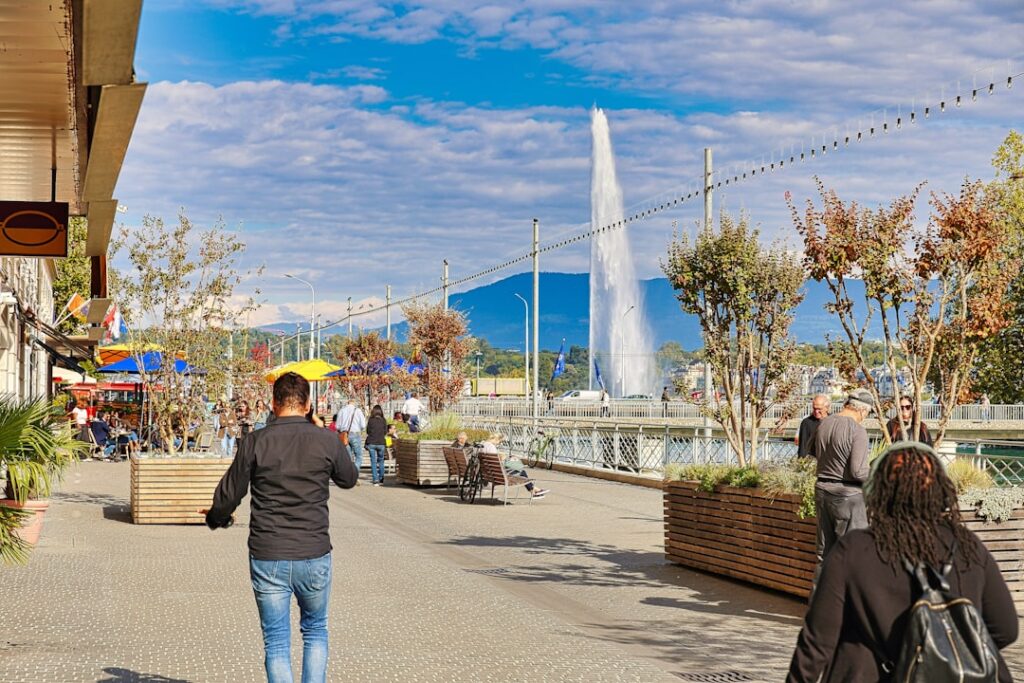
Geneva, sitting on the shores of Lake Geneva with the Alps as a backdrop, is more than just a hub for international organisations — it’s one of Switzerland’s major economic centres, drawing skilled professionals from around the world. Working in Geneva means navigating a dynamic labour market, high salaries, and precise migration and employment rules. For anyone coming from abroad, understanding the administrative steps beforehand is essential: residence and work permits, procedures with cantonal authorities, processing times, rights and obligations, taxation, health insurance and the transport network. This practical guide walks you through how to prepare for living and working in Geneva, with addresses, opening hours, indicative costs in euros and hands-on tips to smooth the administrative process.
From the short-term L permit to the renewable B permit, the G permit for cross-border commuters and the valuable C permit for permanent residence, each category fits a different situation — fixed-term contracts, open-ended contracts, cross-border work or family reunification. Procedures involve interactions with Geneva canton offices, notably the Office cantonal de la population et des migrations (OCPM), the cantonal employment office, the social insurance compensation office and the cantonal tax authority. Specific documents are commonly required: the employment contract, proof of accommodation, Swiss-valid health insurance, a valid passport and sometimes a passport photo and criminal record extract.
This guide focuses on practicalities: exact addresses to visit, typical opening hours for cantonal offices, approximate costs quoted in euros (to make it easier for European residents), average processing times, tips to prepare your file and local observations — for instance, how cross-border commuting works from Haute-Savoie and how health insurance consultations are organised in Geneva. It also includes recommendations to avoid common mistakes and an overview of foreign workers’ rights, tax obligations, and resources for finding housing or opening a bank account. The goal is to help you anticipate and plan your professional move to Geneva with confidence, knowing not just the rules but the concrete practices and key addresses.
Work and residence permits: categories, criteria and steps (L, B, C, G permits)
The first question is: which permit do you need? In Geneva, as in the rest of Switzerland, the type of permit depends on your nationality (EU/EFTA or non-EU), the length of your contract and where you live (locally or as a cross-border commuter). Here are the most common categories:
- L permit (short-term): aimed at workers with contracts under one year or renewable for periods shorter than 12 months. Common for temp work or short assignments.
- B permit (residence, typically 1 year renewable): for employees with contracts of one year or more; issued subject to employment and health insurance requirements.
- C permit (permanent residence): after several years of residence (usually 5 to 10 years depending on nationality), it grants maximum stability and rights close to Swiss residents.
- G permit (cross-border commuters): for workers who live in a neighbouring country (France, Italy, Germany) and cross the border daily or regularly to work in Geneva.
Key requirements: an original employment contract, proof of accommodation (lease or host declaration), valid Swiss health insurance, passport and ID photos, and sometimes a criminal record check. EU/EFTA citizens benefit from simplified procedures but still must register with the cantonal authorities on arrival.
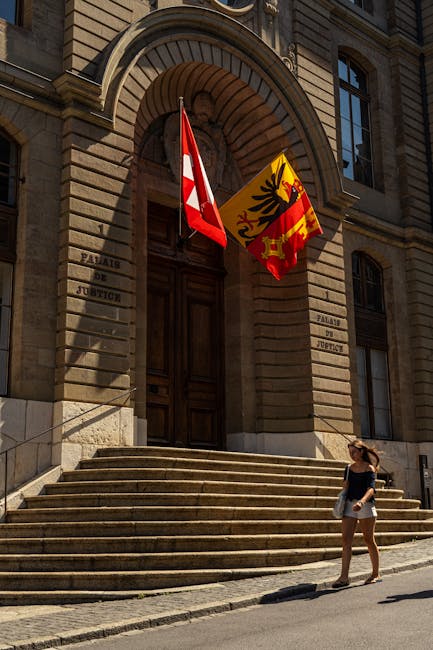
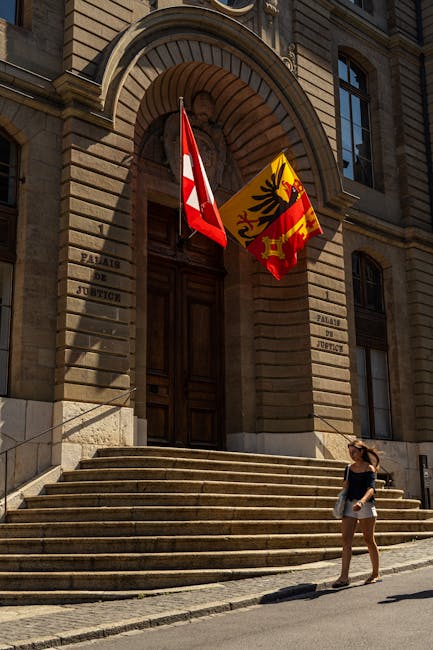
Where to submit the application? In Geneva the main contact point is the Office cantonal de la population et des migrations (OCPM). Indicative address: Office cantonal de la population et des migrations (OCPM), Rue de l’Hôtel-de-Ville 4, 1204 Genève. Typical opening hours: Monday to Friday 08:30–11:30 and 13:30–16:30. Administrative fees: vary by permit type; budget roughly €80–€150 for initial processing (approximate conversions from CHF). Timelines: for an L or B permit registration is often completed within 2 to 6 weeks if the file is complete; for a G cross-border permit, registration can take 2 to 4 weeks. The C permit requires a prior residence period (generally 5 years for EU/EFTA citizens, 10 years for other nationalities), then a process of about 2 to 6 months to be issued.
Practical steps in Geneva: addresses, hours, costs and tips for each stage
After getting (or applying for) your permit, several complementary steps become priorities: municipal registration, health insurance, social insurance affiliation (AHV/IV/EO), opening a bank account, tax registration and, for cross-border commuters, choosing your border crossing. Here are the practical steps and places to know.
- Municipal registration: Typical address: Service de la population, Rue du Stand 12, 1204 Genève. Opening hours: Tuesday and Thursday 09:00–12:00, Wednesday 13:30–17:30. Indicative fee: €30–€60 in administrative costs. This registration confirms your address and is often required to complete other procedures.
- Health insurance: Health insurance is mandatory in Switzerland. Common providers: CSS, Helsana, Groupe Mutuel. Example office: CSS Assurances, Avenue Louis-Casaï 58, 1216 Genève (hours 08:30–17:00). Average premium: depending on age and coverage, plan for €250–€500 per month for an adult, varying with the deductible chosen.
- Social insurance (AHV/IV): Affiliation is handled through the employer-assigned compensation fund; self-employed people register directly. Contributions: shared employer/employee portions, roughly 5–6% of gross salary for AHV, with additional amounts for unemployment insurance and pension (BVG/LPP).
- Taxes: Geneva Cantonal Tax Administration: Administration cantonale des impôts, Rue de la Croix-Rouge 1, 1204 Genève. Hours: Monday–Friday 08:30–12:00 and 13:30–16:30. Cross-border workers may be subject to withholding tax (tax at source) deducted by the employer. Tip: obtain a withholding tax certificate and check cross-border tax treatment if you live in Haute-Savoie.
Local tips: keep both paper and digital copies of all documents; book appointments online where possible (queues in Geneva offices can be long); for urgent matters choose morning slots and bring a complete file (originals + copies). If you are a cross-border commuter, check border crossing points and regional transport subscriptions (e.g. regional train season passes). For opening a bank account, main banks include UBS Geneva, Credit Suisse (local office), Banque Cantonale de Genève (BCGE — address: Quai de l’Île 17, 1204 Genève, hours 08:30–16:30). Account opening fees are often free but account maintenance fees can be about €5–€15 per month equivalent.
Cross-border commuters and cross-border mobility: G permit, border crossings and recommendations
Cross-border commuters (G permit holders) make up a significant share of Geneva’s workforce, especially in healthcare, construction, services and NGOs. The G permit is intended for people who live in a neighbouring country (mainly France) and cross the border at least once a week to work in Geneva. Understanding the tax, insurance and logistical consequences is essential to avoid surprises.
Application and requirements: you must provide an employment contract, proof of residence in the neighbouring country, and a health insurance certificate. Registration is done with the Office cantonal de la population et des migrations (OCPM). Processing time: typically 2–4 weeks after submitting a complete file. Indicative cost: around €90 (approximate conversion). Cross-border commuters are subject to specific tax rules: some are taxed at source by Switzerland at a reduced rate, others are taxed in France but receive a tax credit; the exact situation depends on bilateral agreements and your place of residence.
Key border crossings to Geneva:
- Porte de France / Annemasse (Border crossing Porte de France): direct access via the A40 and local roads. Watch for peak-hour congestion in the mornings and evenings.
- Versonnex / Bardonnex crossings: used by many workers coming from Haute-Savoie.
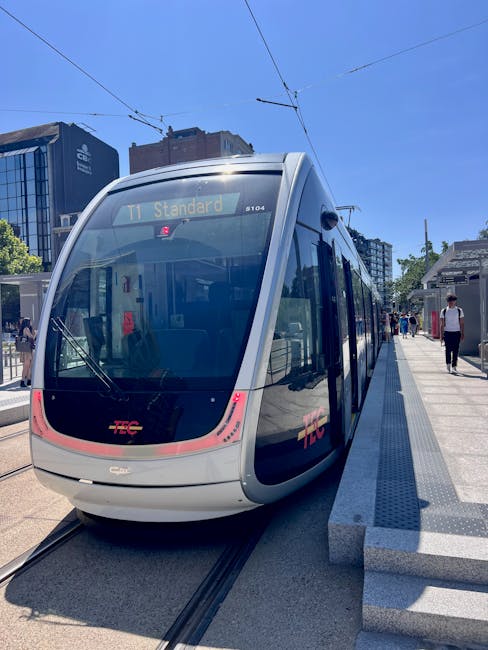
- Annemasse station: TER connections to Genève-Cornavin; Léman passes and combined CFF/TER subscriptions are often more economical.
Practical tips: favour a multimodal season pass (train+bus) to avoid Geneva’s expensive parking, plan trips outside peak hours when possible, and keep all proof of border crossings (stamps, payslips) to validate your cross-border status with the authorities. For disputes or questions, the Cross-Border Workers’ Union and local associations can help clarify rights regarding leave, cross-border healthcare and family allowance entitlements.
Conclusion — Preparing your professional move to Geneva: final checklist and lasting tips
Moving to Geneva for work is an exciting prospect but requires careful administrative preparation. This guide covered permit types (L, B, C, G), essential procedures, practical addresses and office hours for your appointments, and indicative costs in euros. Quick recap: assemble a complete file with your employment contract, identity documents, proof of accommodation and health insurance; book an appointment with the Office cantonal de la population et des migrations (OCPM); register with your municipality; open a bank account and sort out your social insurance and tax registration. Remember that timelines vary: a few weeks for an L or G permit, and several months for a C permit after the required residence period.
Sustainable tips to avoid mistakes: keep certified paper and digital copies of every document, arrange health insurance as soon as you arrive (premiums can be high in Geneva), and check the tax regime applicable to your situation (withholding tax or standard taxation). If you’re a cross-border commuter, daily logistics (transport, parking, schedules) greatly affect quality of life; a good public transport pass or a smart choice of home station can cut travel time and stress. Finally, don’t hesitate to ask for help from a tax advisor or an expat welcome service — several NGOs and cantonal offices offer free or low-cost consultations for newcomers.
For every procedure, prioritise online appointments, bring a complete file and double-check office hours before you go (closing times can change during holiday periods). Geneva offers high quality of life and an international professional environment, but the key to a successful move is administrative preparedness: do the groundwork now so you can fully enjoy everything the city has to offer — from the lakefront to the international institutions and cutting-edge career opportunities.